That $300 electric bill isn’t just bad luck, and the water bill that keeps creeping up isn’t your imagination. Most homes leak money through a handful of predictable culprits that homeowners rarely think to check: outdated wiring, failing insulation, clogged pipes, aging roofs, and worn-out fixtures all quietly drive up utility costs month after month. The good news is that once you know where to look, most of these energy and water drains are fixable, often with a fairly modest investment that pays for itself within a year or two. This guide walks through the most common hidden culprits room by room so you can start plugging the leaks in your budget.
Outdated Wiring and Electrical Panels
Homes built more than 25 years ago often have electrical systems that were never designed for the number of devices, chargers, and appliances the average family uses today. When a panel is overloaded, it doesn’t just risk tripping breakers, it can also cause appliances to run less efficiently because they aren’t getting consistent voltage. Older aluminum wiring in particular tends to lose connectivity at outlets over time, which forces heaters, refrigerators, and HVAC systems to draw more power than they should to compensate.
Bringing in residential electricians for a panel inspection is one of the most overlooked ways to cut a power bill down to size. A licensed professional can identify overloaded circuits, recommend a panel upgrade if needed, and install dedicated circuits for major appliances so they run at peak efficiency instead of straining the whole system.
- Flickering lights or warm outlet covers often signal a wiring issue worth investigating
- Homes with fuse boxes instead of breaker panels are especially prone to inefficiency
- A panel upgrade typically ranges from a few hundred to a couple thousand dollars depending on scope
- Dedicated circuits for HVAC and kitchen appliances reduce strain on the whole system
Aging Cooling Systems and Poor Airflow

An air conditioner that’s more than 12 to 15 years old can lose a significant chunk of its original efficiency, even if it still technically cools the house. Refrigerant leaks, worn compressors, and dirty coils all force the unit to run longer cycles to reach the same temperature, which shows up directly on the electric bill. Many homeowners assume a struggling AC just needs a recharge, when in reality the whole system may be due for replacement.
Professional AC installation done with correctly sized equipment can lower cooling costs by 20 percent or more compared to an aging, oversized, or undersized unit. Getting the sizing right matters just as much as the equipment itself, since a unit that’s too large will cycle on and off constantly, while one that’s too small will run nonstop and still fail to keep up on hot days.
- Listen for unusual noises like grinding or clicking, which often precede a costly breakdown
- Compare your cooling costs year over year, not just month to month, to spot gradual decline
- Ask any contractor for a load calculation rather than a simple size match to the old unit
Water Waste From Outdated Bathroom Fixtures
Bathrooms are one of the biggest sources of hidden water waste in the average home, largely because older toilets, showerheads, and faucets simply were not built with efficiency in mind. A toilet from the 1990s can use up to 3.5 gallons per flush compared to 1.28 gallons in modern low-flow models, and that difference adds up fast across a household of four or five people. Leaky faucet cartridges and worn shower valves also waste water continuously, often without anyone noticing until the bill arrives.
When a bathroom is overdue for an update anyway, working with experienced bathroom remodelers to swap in water-efficient fixtures can meaningfully shrink both water and water-heating costs. Many remodels also address poor ventilation, which if left unchecked can lead to mold growth and further deterioration of surrounding fixtures over time.
- Low-flow toilets and showerheads can cut bathroom water use by 20 to 30 percent
- A running toilet can waste more than 200 gallons a day if left unaddressed
- Proper exhaust fans reduce moisture damage that shortens the life of fixtures and paint
Slow Drains and Hidden Plumbing Buildup

A slow drain rarely fixes itself, and in the meantime it can force water heaters and pumps to work harder than necessary while also risking bigger clogs down the line. Grease, soap scum, hair, and mineral buildup accumulate gradually inside pipes, narrowing the passage and making every fixture connected to that line less efficient. In older homes, this buildup can also contribute to slow leaks at joints under pressure.
Scheduling routine drain cleaning before a clog becomes a full blockage protects both your plumbing system and your wallet. Professional hydro-jetting or snaking clears buildup far more thoroughly than store-bought chemical treatments, which often only clear a small channel through the clog rather than removing it entirely.
- Gurgling sounds from drains often indicate a partial blockage forming
- Chemical drain cleaners can corrode older pipes with repeated use
- Annual drain cleaning is a reasonable baseline for homes with trees near sewer lines
Roof Damage That Raises Energy Bills
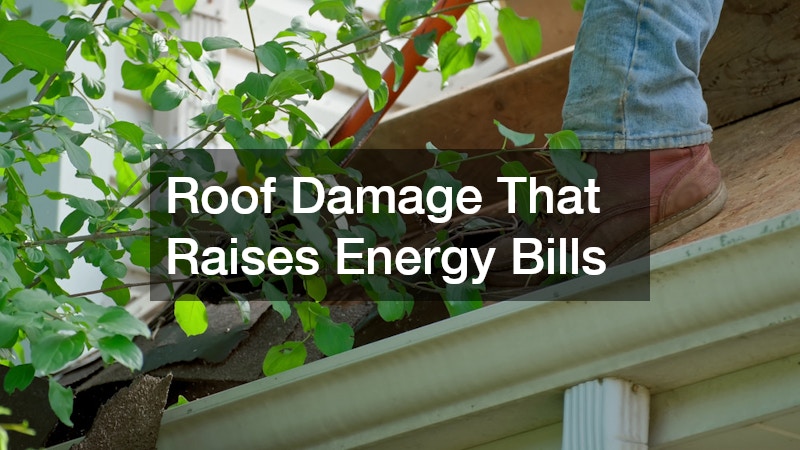
A roof does more than keep rain out, it plays a major role in how much heat escapes a home in winter and how much builds up in the attic during summer. Missing shingles, cracked flashing, and worn underlayment allow air to leak in and out, undermining even a well-insulated attic. Many homeowners don’t realize their energy bills are climbing because of roof problems until a leak makes the issue impossible to ignore.
An annual inspection from qualified roofers can catch small issues, like a lifted shingle or damaged vent boot, before they turn into both a water leak and an energy drain. Reflective roofing materials and proper attic ventilation, which a roofing professional can also assess, further reduce cooling costs in warmer climates.
- Check for granule loss in gutters, a sign shingles are wearing thin
- Daylight visible through the attic roof boards signals a serious air leak
- Proper attic ventilation prevents heat buildup that raises summer cooling costs
Overgrown Trees Affecting Structure and Efficiency
Trees planted too close to a house can interfere with energy efficiency in ways that aren’t always obvious. Overhanging branches shade solar panels unevenly, roots can damage underground utility lines, and dense growth against exterior walls traps moisture that degrades siding and insulation. In some cases, storm-damaged limbs press against rooflines and slowly wear through shingles or gutters.
Scheduling tree removal or professional trimming for branches that overhang the roof or utility lines prevents both structural damage and unnecessary strain on HVAC systems that lose efficiency when airflow around outdoor units is blocked. A certified arborist can also identify which trees are diseased or structurally unsound before they become a safety hazard during a storm.
- Keep branches at least 6 to 10 feet from rooflines to reduce debris and damage
- Clear vegetation around outdoor AC condenser units to maintain proper airflow
- Remove dead or leaning trees before storm season to avoid emergency damage
Moisture and Insulation Problems Under the Home
The space beneath a house is one of the most overlooked sources of energy loss, especially in homes with vented crawl spaces. Moist air entering from outside condenses on cool surfaces, promoting mold growth, wood rot, and insulation that becomes waterlogged and useless. Once insulation is compromised, floors feel cold, HVAC systems run longer, and humidity problems spread upward into living spaces.
Crawl space encapsulation seals this area off from outside moisture using a vapor barrier, sealed vents, and sometimes a dehumidifier, which keeps insulation dry and functional year-round. Homeowners who complete this upgrade often notice a warmer floor in winter and a noticeable drop in HVAC run time almost immediately.
- Musty odors upstairs often trace back to crawl space moisture problems
- Encapsulation typically pays for itself over time through reduced energy use
- Sealed crawl spaces also discourage pests that thrive in damp, dark conditions
Drafty Windows Letting Conditioned Air Escape
Windows are one of the most common places where conditioned air quietly escapes a home, particularly if the frames are original to a house built decades ago. Single-pane glass, warped wood frames, and failed seals on older double-pane units all let outside temperatures influence the indoor climate far more than most homeowners realize. This forces heating and cooling systems to run longer cycles just to maintain a comfortable temperature.
Modern window installation using double or triple-pane glass with low-emissivity coatings can noticeably reduce the temperature swings felt near windows and cut energy costs significantly. Beyond efficiency, updated windows also reduce outside noise and UV damage to flooring and furniture, adding value beyond the utility bill savings.
- Hold a lit candle near window frames on a windy day to spot drafts
- Condensation between panes indicates a broken seal that can’t be repaired, only replaced
- Energy Star rated windows offer a reliable benchmark when comparing options
Kitchen and Outdoor Upgrades That Improve Efficiency

A few less obvious upgrades around the house can also chip away at monthly costs while improving daily comfort. In the kitchen, worn countertop seams and cracked surfaces can trap moisture that seeps into cabinetry, leading to warped wood, swollen particleboard, and mold that’s costly to remove. Even small gaps around a sink or cooktop cutout give water a path downward, and once it reaches the subfloor, repairs can run into the thousands. Choosing custom countertops with sealed, seamless surfaces prevents this kind of hidden water damage while also making the kitchen easier to keep clean. Materials like quartz and solid-surface acrylic resist staining and don’t require the periodic resealing that natural stone does, which means fewer chances for moisture to find its way in over time. A tight, professionally fabricated seam also improves insulation around appliances, so refrigerators and dishwashers aren’t working harder to compensate for drafts along the counter edge. Outdoors, similar principles apply. Sealing gaps around outdoor faucets, replacing cracked patio caulking, and adding weatherstripping to exterior doors near the kitchen all reduce the air and moisture exchange that quietly drives up heating and cooling bills. Together, these kitchen and outdoor fixes address problems that often go unnoticed until a utility bill or a repair estimate makes the cost impossible to ignore.
In the kitchen, aging appliances and worn seals are often the quiet culprits behind rising utility bills. A refrigerator with a failing door gasket can force the compressor to run nearly twice as often, while an outdated dishwasher may use several extra gallons per cycle compared to an Energy Star-rated model. Simple fixes like replacing gaskets, upgrading to efficient appliances, or even installing under-cabinet LED lighting can shave measurable dollars off monthly bills without a full remodel. Outside, homeowners with pools often overlook how much a deteriorating deck surface contributes to water loss and safety hazards. Cracked or uneven concrete allows pool water to seep into the ground rather than staying in the system, and even a small quarter-inch crack network can lead to dozens of gallons lost per week during peak season. Pool deck resurfacing not only fixes the appearance but also improves drainage so less water and chemical treatment goes to waste, while reducing the risk of slips on uneven or sun-damaged surfaces. Beyond water savings, resurfacing materials like textured concrete overlays or pavers can also reflect heat more efficiently, keeping the surrounding patio area cooler and reducing strain on nearby outdoor lighting or pump equipment. Addressing both spaces at once, even on different timelines, rounds out a whole-home approach to cutting unnecessary costs.
- Sealed countertop seams prevent water infiltration that damages cabinets below, especially around sinks and cooktops where moisture collects daily
- Old, unsealed grout lines can let water seep in unnoticed for months, leading to swollen particleboard and mold growth
- Resurfaced pool decks improve slip resistance as well as water retention, reducing splash-out that wastes hundreds of gallons per season
- Textured, sealed concrete or pavers also reflect less heat, keeping surrounding areas cooler and easing strain on nearby AC units
- Both upgrades tend to increase resale value alongside their efficiency benefits, often recouping 60-80% of costs at sale
- Scheduling these projects together with other exterior work can reduce labor costs and contractor visits
Hidden energy and water drains rarely announce themselves loudly, they show up gradually as a slightly higher bill each month until the total becomes impossible to ignore. Walking through your home room by room, from the electrical panel to the crawl space to the roofline, gives you a clear picture of where your money is actually going. Start with a free or low-cost inspection in the area that concerns you most, whether that’s cooling, plumbing, or moisture control, and build a plan from there. Small, targeted fixes now can add up to meaningful savings every single month going forward.