Every month, homeowners across the country open their utility bills, wince at the total, and wonder why their conscientious efforts to save energy aren’t yielding results. They dutifully adjust their dials, invest in highly marketed gadgets, and follow generational advice passed down under the guise of household wisdom. Unfortunately, a significant portion of what we believe about residential energy consumption is either outdated, fundamentally misunderstood, or flat-out wrong. These persistent myths act as financial vampires, quietly draining your hard-earned money while keeping your living spaces less comfortable than they ought to be. Navigating the modern landscape of home maintenance requires separating urban legends from scientific reality, ensuring that every dollar you invest in your property actively lowers your monthly overhead.

Optimize Your Glazing Strategies to Block Radiant Heat Transfer
Many property owners falsely assume that the only way to stop heat from transferring through windows is to completely tear them out and install expensive triple-pane replacements. While advanced windows are highly effective, this massive capital expenditure often takes decades to yield a positive return on investment. A much more cost-effective and immediate alternative involves applying specialized window film directly to your existing glass surfaces. This innovative material acts as a microscopic thermal shield, reflecting harmful ultraviolet rays and intense infrared radiation away from your living spaces during the sweltering summer months. By rejecting this solar heat gain before it penetrates your interior, you dramatically reduce the thermal load placed on your cooling systems, leading to lower energy bills without the astronomical upfront disruption of structural remodeling.
-
Select Spectrally Selective Materials: Look for options that specifically target infrared light while allowing maximum visible light transmission to maintain natural brightness.
-
Prioritize Low-Emissivity Coatings: These specialized variants work year-round by keeping your furnace’s radiant heat trapped indoors throughout the winter season.
-
Examine the Solar Heat Gain Coefficient: Aim for a lower coefficient rating to guarantee superior performance against harsh, direct afternoon sunlight.
Once you have successfully upgraded your glass surfaces, it is vital to remember that windows do not exist in a vacuum; they are structurally tied to your broader building envelope. If the underlying frame or the surrounding walls are structurally compromised, even the most advanced glazing upgrades will fail to deliver their full financial benefits. This is why holistic home maintenance requires looking upward to ensure your ceiling structures are not working against your window improvements. If your roof structure is compromised, hot air will settle heavily into your attic space, creating a downward thermal pressure that completely neutralizes the cooling benefits achieved at eye level.
Safeguard Your Attic Boundaries from Extreme External Temperatures
A very common misconception among property owners is that a roof’s only structural responsibility is to keep rain, snow, and wind from entering the living areas. In reality, your ceiling envelope is the primary defense mechanism against intense solar radiation, which can easily cook an unventilated attic up to a stifling one hundred and fifty degrees Fahrenheit. When your shingles, flashing, or underlayments are degraded, they lose their reflective properties and allow immense thermal energy to pass uninterrupted into your insulation layers. Promptly scheduling a professional roof repair is absolutely vital to sealing these thermal breaches and maintaining a stable barrier against environmental extremes. When you neglect these minor structural vulnerabilities, you allow external weather conditions to continuously dictate your indoor climate, driving your energy consumption through the ceiling.
Once these localized structural issues are resolved, it becomes much easier to see how long-term home health depends on proactive, overarching property management. Instead of waiting for a visible leak or a massive spike in your cooling costs to take action, securing comprehensive roofing services ensures that your entire top-level barrier is inspected by trained professionals who understand airflow dynamics. These specialists can identify hidden thermal anomalies, worn-out materials, and blocked ventilation pathways that standard inspections frequently overlook. By taking a proactive approach to your home’s crown, you create an airtight, highly reflective shield that minimizes heat transfer, protects your insulation investments, and provides long-lasting structural relief to your entire mechanical footprint.
Maintain Clear Vent Pathways in Historic Hearth Systems
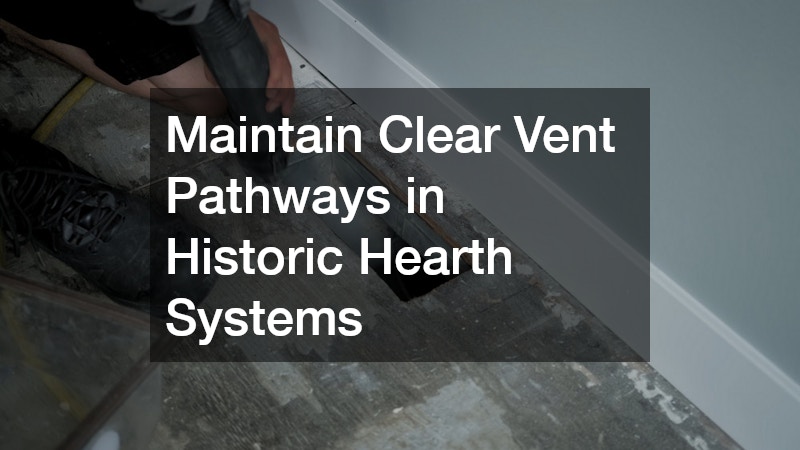
Fireplace owners frequently believe that simply closing the visible damper is more than enough to prevent conditioned indoor air from escaping up the chimney structure when it is not actively in use. However, traditional metal dampers rarely form a perfect, airtight seal due to years of warping, soot accumulation, and natural structural shifting. This structural flaw creates a continuous siphon effect, known as the stack effect, which draws your expensive, heated or cooled air right out of your home twenty-four hours a day. Investing in professional chimney cleaning is a critical step that goes far beyond basic fire safety; it actively restores the mechanical integrity of your flue system. Removing sticky creosote deposits and clearing debris allows your sealing components to close completely flat, locking your climate-controlled air inside where it belongs.
-
Install a Top-Sealing Damper: Replace leaky throat dampers with a rubber-gasketed cap mounted at the very top of your external flue structure.
-
Conduct Seasonal Inspections: Always check for physical gaps, loose bricks, or deteriorated mortar joints inside the firebox before winter starts.
-
Utilize Inflatable Chimney Balloons: Insert a temporary, reusable baseline plug into the flue during extended periods of complete non-use.
After addressing the structural integrity of your traditional heating architectural features, you can expand your focus to other substantial infrastructure components that dictate your monthly utility expenditures. Many families spend thousands of dollars optimizing their walls and windows, only to lose those hard-earned savings to inefficient, outdated water heating methods tucked away in the basement. Traditional storage tanks constantly burn fuel to keep dozens of gallons of water piping hot all day and night, regardless of whether anyone is actually home to use it. Recognizing how these invisible, background cycles quietly erode your monthly budget is the first major step toward upgrading your mechanical systems to reflect modern, on-demand performance standards.
Overhaul Outdated On-Demand Mechanical Water Heaters
The deeply ingrained habit of keeping a massive tank of water continuously boiling in the basement is one of the most financially wasteful practices in modern residential living. This classic design suffers from severe standby heat loss, meaning the system must constantly cycle on and off to maintain water temperature even when the household is completely asleep or away on vacation. Upgrading your property to a modern tankless water heater completely eliminates this inefficient cycle by heating your water exclusively when a tap is turned on. This engineering shift provides a continuous, endless supply of hot water while simultaneously slashing your energy usage by up to thirty-four percent compared to traditional storage systems. By transitioning away from the archaic storage model, you stop paying to heat water you aren’t actively using.
Once your water delivery infrastructure is modernized, you can confidently turn your attention to the single largest consumer of energy in your entire household footprint: your climate control system. Because heating and cooling account for more than half of the average residential utility bill, even minor inefficiencies here can quickly add up to thousands of dollars in wasted money over time. Relying on general handymen or unverified online tutorials to service these complex, delicate machines is a recipe for operational failure and hyper-inflated power bills. Ensuring your climate systems are fine-tuned by certified HVAC system experts is the only reliable way to guarantee that your heating and cooling equipment operates with precision efficiency through every extreme weather season.

Calibrate Complex Air Distribution Networks With Specialized Technicians
A very widespread and costly myth is that as long as your climate control system is blowing air out of the vents, it must be operating at peak efficiency. In reality, modern heating and cooling units are highly intricate, finely balanced mechanical systems that suffer from gradual component degradation, refrigerant imbalances, and subtle airflow restrictions. When your system drifts away from its factory-calibrated specifications, the internal compressors and fan motors are forced to work twice as hard to satisfy your thermostat’s demands. Engaging certified HVAC system experts to perform comprehensive multi-point tune-ups ensures that every electrical sensor, mechanical belt, and refrigerant line is perfectly calibrated. This specialized attention restores the equipment to its optimal operating capacity, dramatically lowering your monthly power consumption while extending the lifespan of your expensive machinery.
-
Change Air Filters Consistently: Replace standard pleated filters every ninety days to prevent restrictive dust barriers from choking your system’s airflow.
-
Keep Outdoor Condensers Clear: Clear away grass clippings, fallen leaves, and encroaching weeds within a two-foot radius around your exterior unit.
-
Unblock All Interior Vents: Ensure that heavy furniture, dense carpets, or decorative drapes are not covering your supply or return air registers.
When you take proactive care of your air distribution network, you quickly realize that mechanical optimization is closely tied to your home’s foundational infrastructure. A system is only as efficient as the power supply running it and the structural shell that protects it from the elements. If your home’s roof has structural issues, the resulting temperature imbalances will force your air systems to cycle constantly, undoing all the benefits of fine-tuning. This is why investing in professional roofing replacements is a smart move that protects your indoor climate and your mechanical systems. Installing a new, modern roofing system keeps your attic cool and stops external heat from leaking in, allowing your newly calibrated climate equipment to easily maintain comfortable indoor temperatures with minimal energy use.
Modernize Your Foundational Electrical Distribution Panels
Many property owners believe that their household electrical panel is a static, indestructible box that has absolutely zero impact on overall energy efficiency. This misunderstanding ignores the physical reality of electrical resistance, where aging breakers, corroded copper wiring, and loose terminal connections create significant voltage drops that generate waste heat. When your electrical infrastructure is outdated, your major appliances are forced to draw higher currents to compensate for this resistance, causing your electric meter to spin faster while placing dangerous stress on your internal wiring. Consulting with a licensed residential electrician allows you to identify these hidden power drains through thermal imaging and precision load testing. Modernizing your panel guarantees a clean, efficient, and perfectly balanced flow of electricity to every device in your home, eliminating invisible waste.

Automate Climate Scheduling With Intelligent Control Devices
A surprisingly common myth is that it is far more energy-efficient to leave your heating or cooling running at a constant temperature all day long rather than forcing the system to re-heat or re-cool the house when you return. This logic completely defies the laws of thermodynamics, which state that heat loss or gain occurs much faster when the temperature difference between indoors and outdoors is high. By keeping your home at a constant comfortable temperature while you are at work, you create a large temperature gap that drives continuous thermal leakage throughout the day. Investing in a professional thermostat installation lets you automate your home’s climate based on your actual lifestyle patterns. Modern smart controllers automatically adjust temperatures when you leave, slashing your energy use while ensuring the house reaches a comfortable temperature right as you walk through the door.
-
Program an Eight-Degree Setback: Lower or raise your temperature targets by eight full degrees during your primary working hours to maximize daily savings.
-
Utilize Geofencing Capabilities: Connect the controller to your smartphone’s location data to trigger energy-saving modes automatically whenever you drive away.
-
Enable Adaptive Intelligent Recovery: Allow the device to calculate exactly how long it takes your home to heat up, optimizing start times with minimal energy.
After mastering automated controls for your central heating and cooling systems, you can take your energy savings even further by addressing the unique layout of your specific floor plan. Many homes have certain rooms—like a sunroom, a finished basement, or a home office—that never seem to stay at the right temperature, no matter what you set the main thermostat to. Forcing your central system to run extra cycles just to fix one uncomfortable room is an expensive mistake that wears out your equipment and wastes energy. This is where targeted, zoned climate solutions come in, allowing you to control the temperature in specific spaces without wasting money heating or cooling rooms that nobody is using.
Implement Targeted Zoning Solutions for Specific Living Spaces
Homeowners often assume that the only way to fix uneven temperatures in a specific room is to modify their entire ductwork system or add an expensive secondary central unit. This misconception usually leads to frustration, with people relying on inefficient portable space heaters or noisy window units that consume massive amounts of electricity. A highly efficient alternative is to opt for an AC mini split installation, which provides direct, ductless climate control to individual zones within your property. These incredibly quiet systems use advanced inverter technology to continuously adjust their speed, matching the room’s exact heating or cooling needs instead of constantly turning fully on and off. By creating independent climate zones, you can comfortably condition the spaces you are actually using while leaving empty rooms at energy-saving setbacks.
Once you have successfully zoned your interior living spaces, you can turn your attention back to the exterior structures that protect those zones from the outdoor elements. It is easy to forget that every single system in your home relies on a strong, weather-resistant outer shell to function efficiently. If your home’s exterior barrier is old, worn out, or damaged, it will constantly allow outdoor temperatures to seep inside, forcing your high-tech heating and cooling systems to work overtime. Investing in high-quality roofing services is a critical step to keeping your entire property properly insulated and sealed against the elements. Keeping your home’s protective cover in top shape creates a secure, resilient shell that helps all your indoor efficiency upgrades perform at their absolute best.
Stop letting outdated myths and hidden structural issues quietly drain your monthly budget. By taking a proactive, scientifically backed approach to your home’s maintenance, you can easily identify and eliminate the hidden energy drains that are driving up your utility bills. Whether you are adding protective window films, upgrading to an intelligent smart thermostat, or investing in a comprehensive roof replacement, every single improvement you make helps build a tighter, more efficient building envelope. These smart investments don’t just lower your monthly overhead; they also elevate your everyday comfort and extend the lifespan of your valuable household systems. Take charge of your property’s energy consumption today, and start enjoying the lasting financial rewards of a truly optimized, modern home.