
Most homeowners think of their air ducts as an afterthought, something tucked away in the attic or basement that never needs attention as long as air is blowing out of the vents. But neglected ductwork quietly stresses your entire heating and cooling system, forcing components to work harder than they were designed to. Over time, that extra strain turns small, inexpensive fixes into major repairs that can cost twice as much or more. Understanding how this happens gives you the power to catch problems early and protect your budget before a minor issue becomes a wallet-draining emergency.
Dirty Ductwork and the Hidden Strain on Your System
 When dust, pet hair, and debris build up inside your ducts, airflow becomes restricted throughout the entire system. Your blower motor has to push harder to move the same volume of air, which increases wear on parts that were never designed for that kind of continuous strain. This is one of the most overlooked triggers behind an unexpected air conditioner repair, because the root cause sits hidden inside the ductwork rather than the unit itself.
Regular duct cleaning removes the buildup before it forces your system to overcompensate. Without it, contractors often find that homeowners are treating symptoms, like a failing capacitor or a struggling motor, without ever addressing the airflow restriction causing the damage in the first place.
Restricted Airflow and Its Effect on Your Air Conditioning Performance
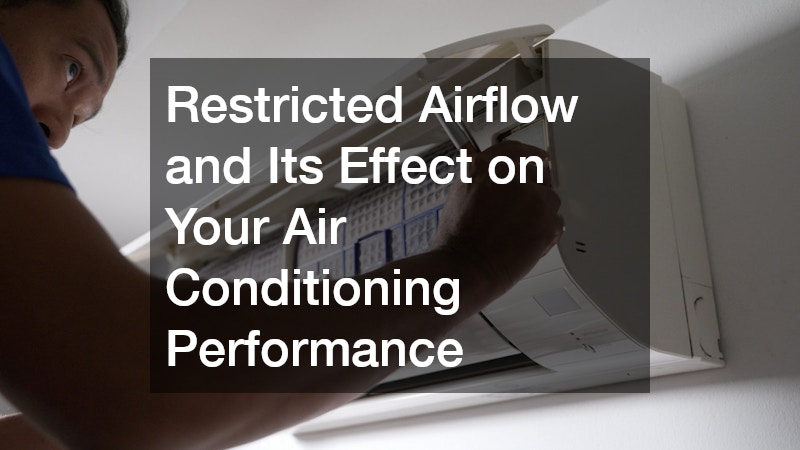
Air conditioning systems are engineered around a specific airflow rate, and when ducts are clogged, that balance is thrown off completely. Reduced airflow means the evaporator coil can’t absorb heat efficiently, which forces the compressor to run longer cycles just to reach the thermostat setting. Longer run times translate directly into higher energy bills and accelerated wear on expensive components.
Homeowners often notice uneven cooling between rooms long before they realize the ductwork is to blame. A room that used to feel comfortable suddenly runs warm, and instead of investigating the ducts, many people assume the whole system needs replacing when a thorough cleaning might have solved the problem months earlier. Scheduling an AC repair visit at the first sign of uneven cooling can help confirm whether the ducts, rather than the unit itself, are the real culprit.
Furnace Strain During the Winter Heating Season
Ducts don’t just affect summer cooling, they play an equally important role in how efficiently your furnace operates. When return air is restricted by dust and debris, the furnace has to work harder to circulate heated air through the home, which raises the internal temperature of the heat exchanger beyond its normal operating range. Over months of winter use, this added stress can crack components that are expensive to replace.
A cracked heat exchanger is one of the most serious issues a technician can find, and it often leads to a costly furnace repair that could have been avoided with routine maintenance. Catching restricted airflow early, before it damages internal parts, is far cheaper than replacing a major component mid-winter when demand for service is highest.
Warning Signs That Point to Neglected Ducts
Most duct problems don’t announce themselves loudly. Instead, they show up as small inconveniences that homeowners tend to dismiss until they add up to a much bigger issue. Learning to recognize these early signals can save you from an emergency repair call during the hottest or coldest week of the year.
- Noticeably weaker airflow from vents in certain rooms compared to others
- A musty or stale smell when the system first kicks on
- Visible dust buildup around vent covers shortly after cleaning them
- Higher than usual utility bills without a clear explanation
- Frequent short cycling where the system turns on and off more than normal
Comparing Costs of Prevention Versus Emergency Repairs
The math behind preventive maintenance is straightforward once you see it laid out. A routine system inspection typically costs a fraction of what it takes to replace a blower motor, compressor, or heat exchanger damaged by prolonged strain. Yet many homeowners skip this service for years because the system still seems to be working fine on the surface.
The real cost of deferred maintenance shows up later, often disguised as a completely unrelated repair. An AC company called out for a failed compressor may trace the failure back to years of restricted airflow that went unaddressed. Paying a modest amount now is almost always cheaper than paying for a major component failure down the road.
How Professional Technicians Diagnose Duct Related Problems
When a technician arrives for a service call, one of the first things they check is airflow, because it tells them so much about the overall health of the system. Professionals trained through rigorous HVAC test prep programs learn to identify duct-related symptoms quickly, since these issues can mimic problems in the compressor, blower, or thermostat. This training helps them avoid replacing expensive parts unnecessarily when the real issue is something simpler.
A skilled technician will typically measure static pressure, inspect the return and supply ducts, and look for signs of leakage or blockage before recommending any repair. This diagnostic process protects homeowners from paying for parts they don’t actually need, and it often reveals that a thorough cleaning would resolve the majority of the reported symptoms.
Choosing Between Heating Companies and Full Service HVAC Providers

Not every contractor offers the same scope of service, and this matters more than most homeowners realize. Some heating companies specialize narrowly in furnace and boiler work, while broader HVAC companies handle heating, cooling, and duct systems as one connected unit. Choosing a provider who understands the full system tends to lead to more accurate diagnoses, since ductwork problems often masquerade as heating or cooling failures.
When ductwork is neglected, the resulting damage rarely stays contained to one part of the system. A provider who only handles heating might fix a furnace issue without ever addressing the duct restriction that caused it, leaving the underlying problem to resurface again during cooling season.
Fuel Type Considerations and Duct Efficiency
Homes heated by propane rely on efficient duct systems just as much as those using electric or natural gas furnaces, and dirty ductwork can undermine that efficiency significantly. Propane furnaces generate heat quickly, and if the ducts can’t circulate that heat properly, the system ends up cycling more frequently to compensate. This drives up fuel consumption and puts extra wear on the burner assembly and heat exchanger.
Homeowners using propane often notice the cost impact faster than those on other fuel types, since propane prices can fluctuate and inefficient systems burn through it more quickly. Keeping ducts clean and unobstructed helps ensure that every unit of fuel purchased is actually being converted into usable, evenly distributed heat.
Building a Realistic Maintenance Schedule for Your Ducts
There isn’t a single universal timeline that fits every home, since factors like pets, allergies, home age, and local air quality all affect how quickly ducts accumulate debris. That said, most professionals recommend a general starting point that homeowners can adjust based on their specific situation.
- Schedule a professional inspection every two to three years for average households
- Consider annual cleaning if you have pets, smokers, or household members with allergies
- Replace air filters every one to three months depending on filter type and usage
- Have ducts inspected after any major renovation that could introduce dust or debris
- Pair duct service with seasonal system tune-ups for better long-term results
Skipping duct cleaning might seem like a harmless way to save a little money in the short term, but the hidden strain it places on your entire heating and cooling system tends to surface as a much larger bill later. Whether it’s a strained compressor, a cracked heat exchanger, or a furnace working overtime just to keep up, the root cause often traces back to airflow that was never properly maintained. Taking a proactive approach, scheduling regular inspections, and working with a knowledgeable provider can help you catch small issues before they become expensive emergencies. Your next step is simple: check when your ducts were last cleaned, and if you can’t remember, it’s probably time to schedule a look.