
For the modern homeowner, balancing property upkeep with a tight budget feels like a high-stakes challenge. We are constantly exposed to home improvement media showcasing massive transformations that involve tearing down walls and installing commercial-grade kitchens. However, a home’s true market value does not depend on chasing these extravagant trends. Real estate professionals consistently emphasize that maximizing a property’s worth relies on two core pillars: maintaining functional mechanical systems and executing smart, high-impact aesthetic updates.
The Power of First Impressions: Transforming the Property Exterior

Frame Your Home’s Architecture by Clearing Dense Foliage
Over time, trees and shrubs can grow unchecked, creeping over walkways, blocking natural sunlight, and obscuring your home’s facade. When limbs press against siding or hang low over windows, they create a claustrophobic feel and make the entire property look smaller from the street.
-
Evaluate your property from the curb to identify plants blocking windows or architectural features.
-
Prune lower branches from established trees to lift the canopy and let natural light flood your yard.
-
Trim foundation bushes so they sit at least six inches below window sills to allow proper airflow.
-
Clear overgrown ground cover away from walkways to widen paths and make entrances feel grander.
While homeowners can safely handle basic ground-level clipping, large branches hanging directly over rooflines present a severe safety hazard. For these complex, high-altitude cuts, investing in professional tree services is a highly effective way to protect your home from sudden storm damage while instantly opening up the property’s sightlines. Entrusting these hazardous tasks to certified crews keeps your personal liability low while ensuring the long-term safety of your home’s exterior structure.
Create a Lush, Uniform Lawn Without Re-Sodding
A vibrant, uniform lawn acts as a luxurious frame for your home, but completely tearing up a degraded yard to lay new sod is incredibly expensive. Fortunately, you can rehabilitate a patchy, tired lawn on a strict budget by focusing on systematic soil and turf care.
-
Aerate your lawn in the spring or autumn to alleviate soil compaction and allow nutrients to penetrate.
-
Overseed the entire area with a high-quality grass seed blend that matches your regional climate.
-
Apply a slow-release, balanced fertilizer to encourage deep root growth rather than rapid weed growth.
-
Adjust your lawnmower blade to a higher setting to shade roots and reduce water evaporation.
A pristine lawn immediately elevates a home’s exterior aesthetic, but persistent invasive plants can quickly derail your hard work. Utilizing targeted local weed control treatments eliminates unsightly crabgrass and dandelions at the root, ensuring your turf remains uniform and healthy. By combining consistent DIY watering and mowing with professional weed eradication, you achieve a manicured look that significantly boosts your baseline property appraisal value.
Securing the Envelope: High-ROI Structural Maintenance
Address Minor Vulnerabilities to Safeguard Appraisal Values
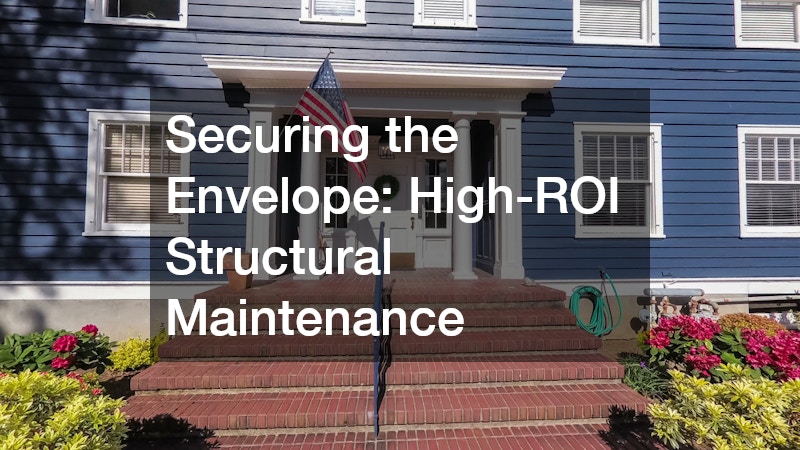
Water is the ultimate enemy of home value, and structural deterioration almost always begins at the highest point of the property. Small imperfections on the roof can quietly allow water to seep into the attic, damaging insulation, compromising drywall, and creating breeding grounds for mold before a single drop drips onto your ceiling.
-
Conduct a regular, ground-level visual inspection of your shingles using binoculars to check for warping or cracks.
-
Inspect the metal flashing around chimneys and roof valleys, as degraded sealant causes major interior leaks.
-
Keep your gutters completely free of leaves and twigs so that rainwater flows freely away from fascia boards.
-
Ensure that downspouts extend at least three feet away from the foundation to prevent soil erosion.
Ignoring minor exterior flaws creates an impression of overall neglect that can decimate a home’s market valuation during an inspection. Booking a targeted roof repair for damaged shingles or deteriorated flashing prevents catastrophic water damage, securing the structure’s integrity on a tight budget. Catching these localized issues early allows you to avoid the staggering cost of a premature full replacement while preserving your equity.
Revitalize the Facade with a Modern Color Palette
One of the most cost-effective ways to make an aging home look brand new is through the strategic application of paint. You do not necessarily need to repaint the entire house to achieve a dramatic transformation; focusing on high-contrast focal points can create a massive visual impact for a fraction of the price.
-
Paint your front door a bold accent color, such as charcoal gray or deep navy, to create a sharp focal point.
-
Refresh faded shutters with a clean color that complements the main siding while adding visual depth.
-
Scrape, sand, and repaint weathered window trim and porch railings to eliminate unsightly peeling.
-
Power wash your siding and brickwork before applying paint to ensure a clean, long-lasting bond.
While painting a front door or a set of low shutters is a manageable weekend project, tackling weathered siding or high-peak trim requires specialist equipment to ensure a uniform finish. Hiring a reliable painting company for these prominent exterior elements ensures clean lines, correct surface preparation, and a premium finish that instantly catches the eye. Professional painters can quickly transform a dated exterior facade into a modern architectural statement, yielding a massive return on investment.
Strategic Interior Renovations: Maximizing Aesthetics and Function

Tackle a Consolidated Punch-List of Cosmetic Flaws
When we live in a home for a long time, we tend to become blind to minor imperfections. However, visitors and appraisers notice them instantly, and a collection of small flaws can create a subconscious feeling of disrepair that lowers the perceived quality of the entire interior.
-
Walk through every room with a notebook, documenting every scuffed baseboard, loose doorknob, and squeaky hinge.
-
Fill small drywall holes with spackling compound, sand the patches flush, and apply matching touch-up paint.
-
Tighten loose hardware on doors and cabinets, so they operate smoothly and silently.
-
Regrout or re-caulk tile borders in the entryway or bathroom to eliminate dingy, cracked seals.
Tackling home maintenance tasks individually can become overwhelming, and purchasing specialized tools for every minor fix can strain a tight budget. Grouping small projects into a comprehensive list and hiring an expert for a single day of handyman repair work can resolve dozens of cosmetic flaws in one efficient sweep. This concentrated approach saves you time, eliminates the stress of uncompleted DIY projects, and ensures that the finished repairs look flawless.
Elevate Ambiance Through Contemporary Fixture Upgrades
Lighting plays an incredibly powerful role in how space, color, and comfort are perceived inside a home. Dated, faded plastic switch plates and tarnish-heavy brass light fixtures can make an otherwise clean room look tired and stuck in a previous decade.
-
Replace old, yellowed plastic toggle switches with modern, matte white rocker-style plates for a sleek appearance.
-
Swap out heavy, dated dining light fixtures for minimalist geometric designs featuring clean black or bronze finishes.
-
Install energy-efficient LED lightbulbs throughout the home, choosing a consistent warm-white color temperature.
-
Add under-cabinet LED strip lighting in the kitchen to brighten workspaces and add a layer of premium ambient lighting.
Upgrading interior lighting completely changes how space and color are perceived in a home, transforming dark corners into bright, functional areas. To ensure safety, maintain proper grounding, and remain in compliance with building codes, having a certified local electrician install complex new fixtures or smart dimming systems is a smart investment. Professional electrical installation protects your family from hidden fire hazards while providing a polished finish that adds undeniable value.
Kitchen and Bath Optimization: Where Value is Won or Lost
Restore System Flow and Confidence Before Spotlighting Rooms
A kitchen with stunning solid-surface countertops or a bathroom with a beautiful new vanity will still fail to impress if the underlying mechanical infrastructure functions poorly. Slow-moving water, gurgling pipes, and unpleasant odors are immediate indicators of underlying plumbing issues that destroy confidence in a home’s health.
-
Test every sink, shower, and tub fixture simultaneously to verify that water drains rapidly and consistently.
-
Avoid relying heavily on harsh chemical drain cleaners, as their corrosive formulas can degrade older metal pipes over time.
-
Clean out sink pop-up stoppers and shower hair traps regularly to prevent everyday debris from accumulating deeper.
-
Inspect the visible plumbing lines underneath your cabinets with a flashlight to look for subtle signs of moisture.
No matter how beautiful a kitchen backsplash looks, a basin that fills with standing water destroys user confidence and lowers the utility of the space. Proactively clearing out stubborn clogged drains ensures the home functions flawlessly and passes mechanical inspections with flying colors. Addressing these blockages ensures that your daily routines remain undisrupted while protecting your home from the sudden, messy backups that cause extensive subfloor water damage.
Modernize Hardware and Fixtures for an Immediate Luxury Feel
Once you have verified that your plumbing systems flow flawlessly, you can focus on the visible cosmetic components of your kitchens and bathrooms. You can achieve a high-impact style transformation by updating what designers call the “jewelry” of these rooms—the hardware, cabinetry finishes, and mirrors. Making these minor structural adjustments provides a fresh, custom look without the heavy financial burden of a full-scale renovation.
-
Swap out old, tarnished knobs or basic plastic handles for sleek, modern T-bar pulls or minimalist cup handles.
-
Sand down dated wooden cabinet doors and apply a durable, satin-finish urethane enamel to completely change the room’s dynamic.
-
Replace plain builder-grade glass sheets attached with plastic clips with stylish, uniquely shaped framed accent mirrors.
Upgrading old, leaky faucets to sleek, water-saving models delivers an immediate luxury feel to standard kitchens and baths without the expense of a full renovation. Partnering with skilled local plumbers ensures these visible upgrades are leak-free, perfectly aligned, and fully integrated with your existing water supply lines. Professional installation guarantees that your new fixtures will perform reliably for years to come, giving you peace of mind and protecting your cabinetry from hidden leaks.
Invisible Value: Protecting Systems and Interior Peace of Mind
Some of the most significant returns on investment come from elements that are completely hidden from view. Ensuring that your home’s climate control operates efficiently and that the structure is protected from biological damage preserves equity and slashes monthly utility bills.
Optimize Climate Control Systems for Energy Efficiency Ratings
A home must feel comfortable the moment you step inside, and an HVAC system that struggles to maintain a consistent temperature is a massive financial liability. Maximizing the efficiency of your climate control systems lowers your carbon footprint while serving as a powerful selling point for budget-conscious future buyers.
-
Replace your system’s air filters every 30 to 90 days to maintain unrestricted airflow and protect the motor.
-
Seal leaking, exposed ductwork in your basement or attic using specialized foil tape to keep conditioned air from escaping.
-
Install a programmable thermostat to automatically adjust temperatures when you are asleep or away from home.
-
Clear away grass, weeds, and debris from around your outdoor condenser unit to ensure the system can exchange heat.
A home must feel comfortable the moment someone steps inside, and a loud, struggling climate system lowers perceived value. Scheduling routine AC services ensures the HVAC unit operates at peak energy efficiency, which is a major selling point for any cost-conscious property owner. Professional diagnostics can identify minor component wear before it leads to a total system failure during a heatwave, keeping your repair costs low and your indoor air pristine.
Guard the Property Against Unseen Structural Threats
A beautifully decorated home can hide structural vulnerabilities that quietly erode its core value from the inside out. Wood-destroying insects and pests can compromise a home’s structural framing, making proactive prevention an absolute necessity for protecting your financial investment.
-
Keep firewood, mulch, and organic debris piled at least twenty feet away from your foundation to avoid creating pest bridges.
-
Seal external cracks, gaps around utility pipe penetrations, and torn window screens with durable silicone caulk.
-
Maintain a clear gap between the soil line and the wooden components of your home’s siding or deck framing.
-
Monitor dark, moisture-prone areas like crawlspaces and basements for signs of pest activity or wood shavings.
Even the most immaculate interior design loses its appeal if there are underlying signs of an active infestation. Investing in seasonal checkups from an experienced pest control expert protects the home’s wood framing and offers absolute peace of mind. Regular professional inspections catch subtle warning signs long before they lead to severe structural damage, ensuring your home remains a safe, secure, and highly valued asset.