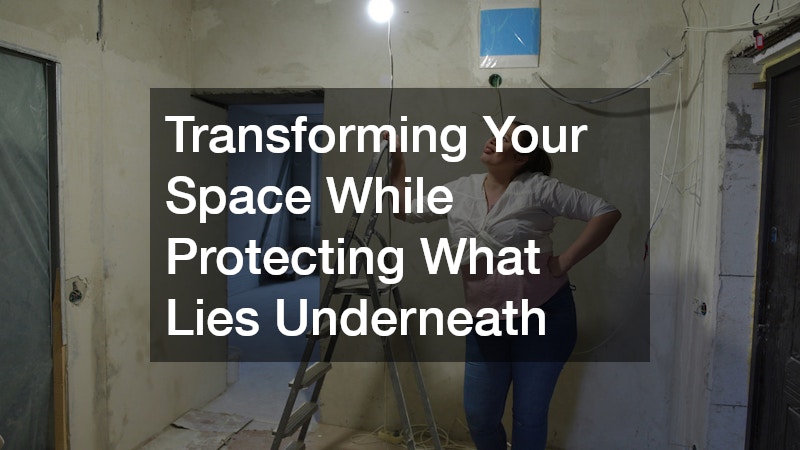
A small water stain on the ceiling or a faint musty smell in the hallway rarely seems urgent, yet these tiny warning signs are often the first clues that something serious is happening inside your walls. Left unchecked, minor leaks and hidden damage can quietly rot framing, feed mold colonies, and weaken the structure of your home until repairs become far more expensive than prevention. The good news is that most silent home killers give off detectable signals long before real disaster strikes. This guide walks you through the most common warning signs, room by room and system by system, so you can catch trouble early and protect your investment.
The Telltale Signs on Your Ceiling and Walls
Discoloration on ceilings or walls is one of the most reliable indicators that water is traveling somewhere it should not be. A yellowish-brown ring, peeling paint, or a soft spot in drywall usually means moisture has been present for a while, not just hours. These stains often originate from plumbing lines, roof penetrations, or an aging appliance struggling to contain water pressure.
One frequently overlooked culprit is the water heater tucked away in a basement, closet, or garage. A unit nearing the end of its lifespan can develop tiny leaks at fittings or the tank seams that slowly seep into surrounding walls and flooring. Scheduling water heater repair at the first sign of rust, pooling, or inconsistent hot water can prevent a slow drip from becoming a flooded room.
- Check ceilings below bathrooms and kitchens monthly for new spots
- Press gently on suspicious drywall to feel for softness
- Note any change in paint texture, such as bubbling or flaking
- Follow stains upward or sideways to help locate the true source
Musty Odors and Hidden Mold Growth

A persistent musty smell is rarely just an odor problem; it is usually a sign of trapped moisture feeding mold or mildew behind walls, under flooring, or inside cabinetry. Mold can grow in places you cannot see for weeks before it becomes visible, especially in bathrooms with poor ventilation or aging seals around tubs and showers. By the time spots appear on grout or baseboards, the growth has often spread further than what meets the eye.
Bathrooms are especially vulnerable because they combine high humidity with frequent water exposure around fixtures. If you notice recurring mold despite regular cleaning, it may be time to consult a bathroom remodeling contractor who can identify failing waterproofing, outdated ventilation, or improperly sealed grout lines. Addressing the root cause during a renovation is far more effective than repeatedly scrubbing surface mold that keeps returning.
- Run exhaust fans during and after every shower
- Inspect caulking around tubs and sinks twice a year
- Replace grout that has become discolored or crumbly
- Keep bathroom humidity below 60 percent when possible
Cracks in Your Foundation and Yard Drainage Problems
Foundation cracks do not always mean immediate structural failure, but they should never be ignored. Hairline cracks that widen over time, or new gaps appearing near windows and doors, often point to shifting soil caused by poor drainage around the home. Water pooling near the foundation after rain is frequently the underlying trigger, slowly eroding support and pushing moisture into basement walls.
Landscaping choices play a bigger role in foundation health than most homeowners realize. Overgrown tree roots can crack underground pipes or disrupt soil stability close to the house, which is why professional tree removal is sometimes necessary even when a tree looks healthy above ground. Similarly, an aging or leaning fence line can trap water runoff against your foundation, so consulting a fence contractor about proper grading and placement can help redirect water away from vulnerable areas.
- Watch for cracks wider than a quarter inch
- Grade soil so it slopes away from the foundation
- Trim or remove trees planted too close to the home
- Inspect fence posts for rot or leaning that redirects water
Roof Damage You Might Be Missing

Your roof takes the brunt of weather exposure, and even minor damage can allow water to seep into attic spaces long before a visible leak appears indoors. Missing shingles, curling edges, or granules collecting in gutters are early indicators that the roofing system is wearing down. Small punctures around vents, chimneys, or skylights are especially easy to miss during a casual glance from the ground.
Because roof problems often develop slowly, an annual inspection from experienced roofing companies can catch flashing failures or worn underlayment before they cause interior damage. Many reputable companies offer free assessments after storms, which is a smart time to have your roof checked given how quickly wind and hail can create hidden vulnerabilities. Catching a small repair now is almost always cheaper than replacing water-damaged insulation, drywall, and framing later.
- Inspect gutters for excessive granule buildup
- Look for daylight through attic boards or vents
- Check flashing around chimneys and skylights
- Schedule a professional inspection after major storms
Drafty Windows and Doors That Signal Bigger Problems
Drafts are often dismissed as a minor comfort issue, but they can point to failing seals that also let moisture into wall cavities. A simple hand test near the frame, or holding a lit candle close to the edges, can reveal airflow that shouldn’t be there. Once outside air is getting in, water vapor usually isn’t far behind.
Foggy or cracked window panes, in particular, indicate a broken seal between glass layers, allowing condensation to build up between panes rather than on the surface. This trapped moisture often signals that the insulating gas between double- or triple-pane glass has escaped, reducing energy efficiency long before any visible wood or drywall damage appears. Left unaddressed, that moisture eventually migrates into the surrounding frame and wall cavity, encouraging rot and mold growth.
Door thresholds and window sills deserve the same scrutiny, since warped wood or peeling paint near these areas often means water has already been seeping in for months. When this happens, timely glass replacement can restore both energy efficiency and protection against water intrusion, often at a fraction of the cost of replacing an entire window unit. Catching the problem at the seal-failure stage typically costs a few hundred dollars, compared to thousands for structural repairs once framing rot sets in.
Garage doors are another overlooked entry point for moisture and pests, especially when weatherstripping wears thin or panels warp from years of exposure. A door that no longer seals tightly at the bottom can let rain seep in and pool along the garage floor, quietly damaging drywall or stored belongings. Even a gap as small as a quarter inch can let in enough wind-driven rain during a storm to soak boxes, tools, or seasonal items stored near the walls.
Rust along the bottom panel or track is often the first visible sign that water has been sitting longer than it should. Misaligned panels can also throw off the door’s balance, forcing the opener to work harder and accelerating wear on rollers and springs. Over time, this added strain can lead to costlier mechanical failures on top of the original moisture problem.
Arranging garage door repair as soon as you notice gaps, rust, or misalignment helps prevent that slow, unnoticed water damage from spreading. A technician can typically replace worn weatherstripping, realign tracks, or reinforce panels in a single visit, often for far less than the cost of repairing water-damaged drywall or replacing ruined belongings later. Catching these issues early keeps both the structure and the contents of your garage protected through the next season of rain or snow.
- Feel for drafts around window and door frames on windy days, running a hand along the edges or holding a lit candle nearby to spot flickers
- Look for condensation trapped between glass panes, a sign the seal has failed and insulating gas has escaped
- Check garage door weatherstripping for cracks, gaps, or brittleness, especially along the bottom seal where debris and moisture collect
- Test that doors close flush against the floor and frame, with no visible light gaps or sticking points
- Inspect caulking around window exteriors for peeling or shrinkage, which lets water seep into the wall cavity
- Watch for peeling paint or soft, discolored wood on sills and frames, often the first visible sign of hidden rot
Heating and Cooling System Red Flags

Your home’s heating and cooling equipment does more than control temperature; it also manages humidity levels that directly affect moisture buildup in walls and attics. A furnace that short-cycles, produces odd smells, or struggles to maintain consistent temperatures may be failing in ways that also disrupt humidity control throughout the house. Excess indoor moisture from an inefficient system can quietly contribute to condensation inside wall cavities during colder months.
If your current unit is more than fifteen years old or requires frequent repairs, consulting a professional furnace installer about a replacement can be a wise long-term decision. Newer systems are often better at maintaining balanced humidity, which reduces the conditions that allow hidden mold and wood rot to develop. Pairing a properly sized system with good attic ventilation further protects your home’s structure from moisture-related deterioration.
- Note unusual noises, smells, or inconsistent heating
- Replace filters regularly to maintain efficient airflow
- Monitor indoor humidity with an inexpensive gauge
- Consider replacement if repairs become frequent or costly
When Damage Goes Beyond Repair
Sometimes a leak goes unnoticed for so long that the damage extends past what a simple patch or repaint can fix. Soft, spongy subfloors, sagging ceilings, or wall sections that crumble when touched are signs that the affected materials have lost structural integrity. In these cases, attempting a cosmetic fix only hides a problem that will resurface, often at a worse stage.
When damage is extensive, professional demolition services may be necessary to safely remove compromised drywall, insulation, or flooring before any rebuilding begins. Attempting to tear out large sections of wall or subfloor without proper knowledge can expose homeowners to mold spores, electrical hazards, or further structural weakening. A controlled, professional removal ensures the rebuild starts on a clean, stable foundation rather than papering over hidden problems.
- Test suspect flooring or drywall for sponginess or give
- Look for sagging ceilings or bulging wall sections
- Avoid DIY demolition in areas with visible mold growth
- Prioritize safety when removing materials near electrical wiring
Protecting Your Kitchen and Bathroom Investments

Kitchens and bathrooms combine plumbing, appliances, and daily water use in tight spaces, making them two of the most common origin points for hidden leaks. Under-sink cabinets, dishwasher connections, and around-toilet flooring deserve regular checks since slow leaks in these areas can go unnoticed until flooring warps or cabinets swell. Catching these issues early keeps repair costs manageable and prevents moisture from spreading into adjacent walls.
When planning updates to these high-moisture areas, working with a kitchen and bath design professional can help you choose materials and layouts that resist water damage from the start. Features like water-resistant flooring, properly sloped shower pans, and accessible plumbing shutoffs make future leaks easier to spot and fix. Thoughtful design upfront can significantly reduce the odds of silent damage developing behind newly finished surfaces.
- Check under sinks monthly for moisture or musty smells
- Inspect dishwasher and refrigerator water lines yearly
- Ensure bathroom flooring is sloped correctly toward drains
- Choose water-resistant materials during any remodel
Building a Seasonal Home Inspection Habit
Many silent home killers are only caught through consistent observation rather than a single thorough inspection. Setting a seasonal routine, such as checking attics in fall and basements in spring, helps you notice gradual changes that might otherwise go unnoticed for months. Keeping a simple log with photos of problem areas also makes it easier to track whether an issue is worsening over time.
Involving the whole household in basic awareness, like reporting new smells, stains, or sounds promptly, adds another layer of protection since problems are often first noticed during everyday activities. Combining this habit with periodic professional inspections creates a safety net that catches issues human eyes might miss. Over time, this routine becomes a low-effort habit that pays off significantly in avoided repair costs.
- Inspect attics and basements at the start of each season
- Photograph and date any stains, cracks, or odors you find
- Encourage family members to report unusual smells or sounds
- Schedule professional inspections annually for major systems
Small signs like a faint stain, a musty smell, or a drafty window are your home’s way of asking for attention before a bigger problem develops. By learning to recognize these early warnings and addressing them promptly, you can avoid the stress and expense of major structural repairs down the road. Make it a habit to walk through your home with a critical eye each season, and do not hesitate to bring in a qualified professional when something seems off. Taking action now is the simplest way to keep small issues from becoming the silent killers that compromise your walls.