A small crack, a squeaky door, or a lukewarm shower rarely feels like an emergency, so it is easy to push these repairs to next month or next year. But small home problems have a habit of quietly draining money through wasted energy long before they turn into full-blown breakdowns. Understanding exactly how procrastination affects your utility bills can help you prioritize repairs before they cost you far more than the fix itself. Here is a closer look at five common home repairs that get delayed most often, and the hidden energy costs that come with waiting.
Aging Water Heaters and Rising Utility Bills

A water heater that is struggling to maintain temperature has to work harder and longer to deliver hot water, which shows up directly on your energy bill. Sediment buildup, a failing heating element, or a corroded tank can all cause the unit to run inefficiently long before it fails completely. Many homeowners do not realize that scheduling water heater repair at the first sign of inconsistent temperatures or unusual noises can restore efficiency and prevent a costly full replacement later.
Waiting too long often means the unit fails at the worst possible moment, forcing a rushed decision instead of a planned one. In the meantime, every extra day of inefficient operation adds a little more to your monthly energy costs.
- Sediment buildup forces the heating element to work overtime
- Rusty or discolored water can signal internal tank corrosion
- Longer wait times for hot water often mean lost efficiency
- Strange popping or rumbling sounds usually indicate mineral buildup
- Annual flushing can extend the life of the unit significantly
Worn Exterior Walls and Their Effect on Insulation
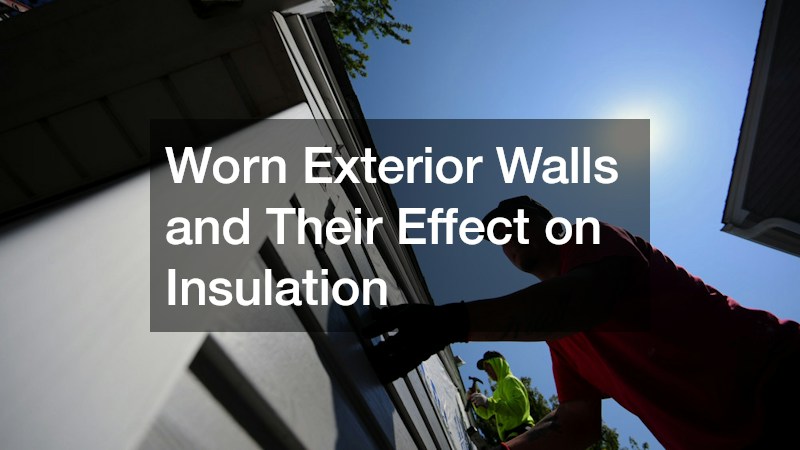
Siding does more than protect the exterior look of your home; it acts as a barrier against wind, moisture, and temperature swings. When siding cracks, warps, or separates from the wall, it creates gaps that let conditioned air escape and outside air seep in. This forces your heating and cooling system to run more frequently just to maintain a comfortable indoor temperature. The damage often starts small. A hairline crack in vinyl siding or a slightly warped wood panel might seem purely cosmetic, but these openings widen over time as moisture works its way behind the material. Once water gets trapped there, it can compress or rot the insulation underneath, stripping away much of its ability to regulate temperature. The energy impact adds up faster than most homeowners expect. Even a few square feet of compromised siding can account for noticeable heat loss in winter, pushing your furnace to run longer cycles just to keep pace. In summer, the same gaps let cooled air escape and humid outdoor air seep in, straining your air conditioner and driving up utility bills. Left unaddressed, this deterioration compounds. Trapped moisture can lead to mold growth or structural rot, turning a repair job into a full replacement. Inspecting siding each season for cracks, gaps, or loose panels is a simple way to catch problems before they quietly inflate your energy costs.
Homeowners often assume damaged siding is purely a cosmetic issue, but the energy loss behind the scenes can be substantial over a full year. Cracked, warped, or missing panels create gaps that let conditioned air escape and outdoor temperatures seep in, forcing your HVAC system to work harder just to maintain a steady indoor temperature. Even small breaches matter more than they appear. A single gap the width of a pencil running the length of a wall can let in as much cold air as a small open window, and over a heating season that adds up to real dollars on your utility bill. The bigger risk, though, is what you can’t see. Moisture that sneaks behind damaged siding gradually saturates the insulation in your wall cavity, and wet insulation can lose a significant portion of its R-value, meaning it stops doing its job even after the water eventually dries out. Left unchecked, this cycle also invites mold growth and rot in the wall studs, turning an energy problem into a structural repair bill. Addressing damaged panels early, before moisture works its way into the wall cavity, helps preserve both your insulation and your energy budget.
- Gaps behind panels allow conditioned air to escape, forcing HVAC systems to run longer and driving up monthly utility bills
- Moisture intrusion can compress, mold, or ruin wall insulation over time, cutting its R-value and effectiveness by more than half in severe cases
- Warped or cracked panels are early warning signs of bigger problems, often signaling trapped moisture or failing house wrap underneath
- Discoloration, soft spots, or a musty smell near exterior walls should prompt an immediate inspection
- Replacing sections early is far cheaper than replacing entire walls later, often costing a few hundred dollars versus several thousand
- Catching damage before it spreads also protects framing and sheathing, avoiding structural repairs down the line
Deteriorating Porches and Unexpected Drafts
A sagging or rotting porch might seem like a purely structural concern, but attached porches often share walls, flooring, or roof lines with the main living space. When the structure shifts or wood rots, it can pull away from the house and create small gaps where air leaks in and out. Over time, this compromises the seal around doors and windows that connect to the porch area.
Scheduling porch repair before winter arrives can prevent cold air infiltration from reaching adjacent rooms. It also protects the structural connection points where the porch meets your home, which are notoriously difficult and expensive to fix once decay spreads inward.
- Rotting support posts can shift the structure away from the house
- Gaps at the connection point often let in drafts and moisture
- Repairing decking boards early prevents water from reaching the frame
- Sealing and repainting exposed wood slows future deterioration
Malfunctioning Garage Door Openers and Wasted Heat
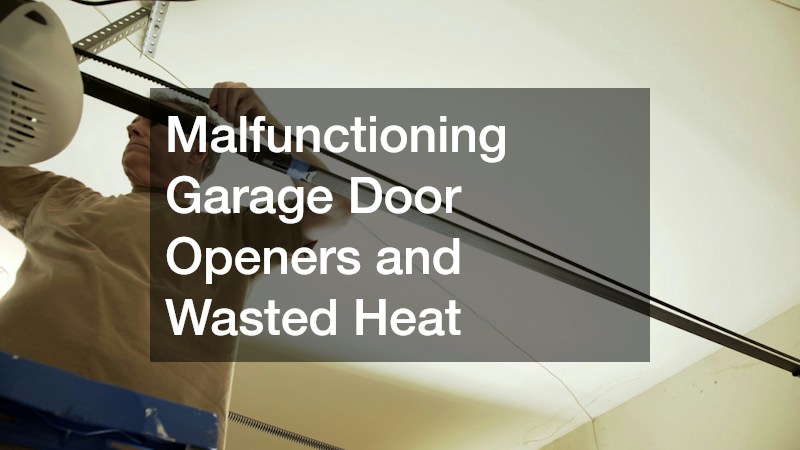
An attached garage that does not seal properly can quietly pull warm or cool air out of your living space, especially if the garage shares a wall with the home. When the opener malfunctions and fails to close the door fully or seal it tight against the track, air exchange increases significantly. This is one of the more overlooked contributors to inconsistent indoor temperatures near garage-adjacent rooms.
Investing in garage door opener repair as soon as you notice the door reversing unexpectedly, closing slowly, or not sealing flush against the ground can stop this energy drain quickly. It is a relatively small fix compared to the cost of reheating or recooling air that continually escapes through a poorly sealed garage.
- A door that does not close fully allows constant air exchange
- Worn weatherstripping around the door frame accelerates heat loss
- Sensors that misfire can leave the door partially open for hours
- Lubricating tracks and rollers helps the opener function properly
Failing Roofs and the Cost of Postponed Replacement
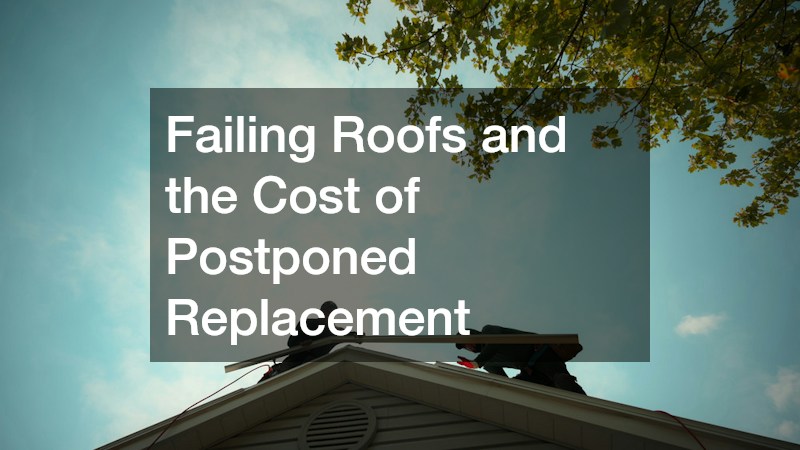
Your roof is one of the largest surfaces exposed to the elements, and its condition has a direct impact on attic insulation and overall home temperature regulation. Missing shingles, damaged flashing, or worn underlayment allow heat to escape in winter and let hot air build up in summer. Even small gaps can create a chimney effect, pulling conditioned air out of your living space and forcing your HVAC system to work harder to compensate. Attic insulation is especially vulnerable to this kind of damage. Once moisture works its way in through compromised roofing materials, insulation can become compressed, waterlogged, or moldy, all of which drastically reduce its R-value. A single 1,000-square-foot section of soaked insulation can lose more than half of its effectiveness, meaning your home starts bleeding energy long before you notice a stain on the ceiling. Many roofing companies report that homeowners often wait until visible leaks appear, by which point insulation damage has already begun. Some estimate that minor roof deterioration left unaddressed for two to three years can raise heating and cooling costs by 10 to 25 percent, depending on climate and roof pitch. Common warning signs worth watching for include granule loss in gutters, curling shingle edges, daylight visible through attic boards, and unexplained spikes in utility bills during extreme weather months. Replacing a roof is a significant investment, often ranging from $8,000 to $20,000 depending on materials and square footage. But delaying that replacement doesn’t just risk structural damage — it steadily erodes energy efficiency in ways that quietly inflate monthly bills long before repair becomes unavoidable.
A full roof replacement is a significant investment, often running anywhere from $8,000 to $20,000 or more depending on materials and square footage. But delaying that replacement once a roof has clearly reached the end of its lifespan tends to cost more in the long run through higher energy bills and potential water damage. Aging shingles lose their reflective properties and start to curl or crack, letting heat pour into the attic in summer and escape through weak points in winter, which forces your HVAC system to work harder year-round. Beyond energy waste, small leaks that go unnoticed can saturate insulation, warp decking, and encourage mold growth long before a stain ever appears on your ceiling. Wet insulation is especially costly because it loses much of its thermal resistance, meaning you’re paying to heat or cool air that’s simply leaking out through a compromised barrier. Getting a professional inspection every few years, ideally after major storms or once the roof passes the 15-year mark, helps you catch problems while targeted repairs are still an option rather than a full tear-off. Inspectors can spot early warning signs like granule loss, flashing damage, or soft spots that homeowners rarely notice from the ground. Catching these issues early often means the difference between a few hundred dollars in repairs and tens of thousands in replacement costs down the road.
- Damaged flashing allows heat and moisture to escape around vents, chimneys, and skylights, forcing HVAC systems to work harder to compensate
- Curling or missing shingles reduce the roof’s insulating properties, exposing the underlayment to temperature extremes it wasn’t designed to handle
- Gaps from missing shingles can cut roof insulation performance by a significant margin, letting conditioned air seep out through the attic
- Attic temperature swings often signal deeper roofing issues, especially when one section of the attic runs noticeably hotter or colder than another
- Ice dams in colder climates point to poor attic ventilation combined with heat loss through a failing roof, compounding both moisture damage and energy waste
- Regular inspections, ideally twice a year, can extend the timeline before full replacement by catching small leaks and worn seals early
- Even minor repairs like resealing flashing or replacing a handful of shingles can meaningfully improve energy efficiency for a fraction of full replacement cost
Cracked Sewer Lines and Long-Term Utility Waste
Underground plumbing issues are easy to ignore because they are out of sight, but cracked or blocked sewer taps can lead to water seeping into the surrounding soil and even affecting your water heater’s workload if backups cause repeated draining and refilling. Slow drains, gurgling sounds, or damp patches in the yard are early signs that something below the surface needs attention. Calling experienced plumbers to run a camera inspection can identify small cracks before they turn into collapsed lines.
Left unaddressed, a failing sewer connection can also lead to unexpected water loss, which quietly increases your utility costs each month. Catching the problem early is almost always less disruptive and less expensive than dealing with a full excavation later.
- Gurgling drains often indicate a partial blockage underground
- Soggy patches in the yard can signal a slow leak in the line
- Camera inspections pinpoint cracks without unnecessary digging
- Old clay or cast iron lines are more prone to root intrusion
Outdated Furniture Choices and Indirect Energy Impact
It might not seem like furniture has anything to do with energy costs, but bulky, worn-out pieces can block vents, radiators, and return air ducts, forcing your HVAC system to work harder to circulate air evenly. Homeowners going through a renovation or a move sometimes overlook how furniture placement affects airflow throughout a room. For those furnishing a home in transition, exploring rent to own furniture can be a practical way to fill a space without committing to permanent pieces that might not fit your layout or airflow needs later.
Choosing furniture that allows air to circulate freely around vents helps your heating and cooling system operate as efficiently as it was designed to. This is a simple, often-overlooked adjustment that pairs well with the other repairs on this list.
- Bulky furniture near vents restricts even airflow
- Blocked return ducts force the HVAC system to work harder
- Flexible furniture arrangements make future layout changes easier
- Lightweight, movable pieces simplify seasonal rearranging
Neglected Outbuildings and Storage Solutions
A drafty, poorly built shed might not directly affect your home’s energy bill, but it often becomes a dumping ground for items that could otherwise free up insulated indoor storage space. When garages and basements are overcrowded, homeowners sometimes leave vehicles outside or block vents with stored boxes, indirectly increasing heating and cooling demands indoors. Hiring a qualified shed builder to construct a properly sized, weather-resistant structure can help reclaim that indoor space for more efficient use.
A well-built outbuilding also protects tools and equipment from temperature extremes, reducing the need to store sensitive items inside climate-controlled areas of the home. This small shift can ease the load on your main HVAC system by keeping indoor spaces less cluttered and better ventilated.
- Overcrowded garages often force vehicles to sit outside in extreme weather
- Blocked indoor vents reduce HVAC efficiency throughout the house
- A dedicated outbuilding frees up insulated space for everyday living
- Proper ventilation in a shed prevents moisture damage to stored items
None of these five repairs seem urgent on their own, but together they represent a steady, hidden drain on your household energy budget. Addressing them one at a time, starting with whichever issue feels most pressing in your home right now, can lead to noticeably lower utility bills within a season or two. Consider scheduling an inspection or getting a professional opinion on the repair that concerns you most, rather than waiting for it to become an emergency. Taking action now puts you back in control of both your comfort and your monthly costs.