Every season leaves its own fingerprint on your home, and the earlier you spot the warning signs, the less those problems cost to fix. Winter freeze-thaw cycles, spring downpours, summer heat, and autumn debris all stress different systems in predictable ways. Learning to recognize these patterns before they turn into emergencies can save you thousands of dollars and a lot of stress. This guide walks through the most common seasonal damage signs and what they usually mean for your home.
Roof Wear After Winter Freeze-Thaw Cycles
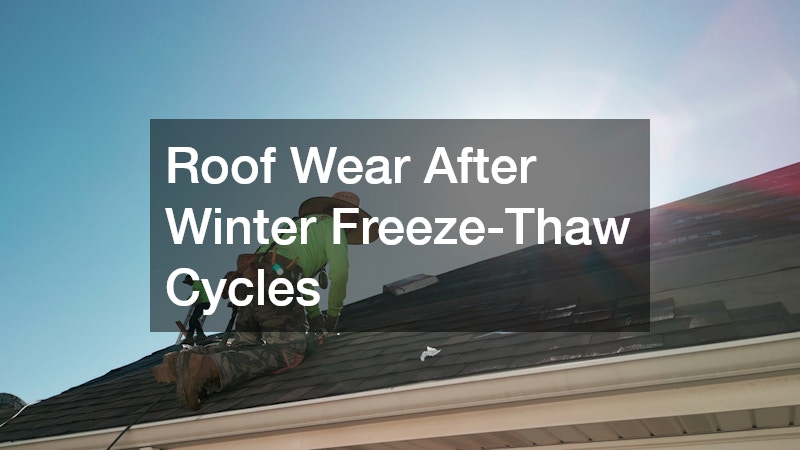
Winter is brutal on roofing materials because water works its way into tiny cracks, freezes, expands, and gradually pries shingles apart. Once the snow melts, it is worth walking around your property to look up at the roofline for curling shingles, granule loss in the gutters, or dark streaks that suggest trapped moisture. Ice dams are another major culprit, forcing water backward under shingles where it has no business being.
If you notice sagging spots, missing shingles, or daylight coming through the attic boards, it is time to call one of the residential roofing companies in your area rather than wait for a leak to show up on your ceiling. Catching minor storm damage in early spring is far cheaper than repairing water-damaged insulation and drywall later.
- Check for granules collecting in downspouts or on the ground
- Look for curled, cracked, or missing shingles near roof edges
- Inspect the attic for water stains or damp insulation after heavy snow
- Note any sagging sections along the roofline
Gutter and Downspout Strain from Spring Rain
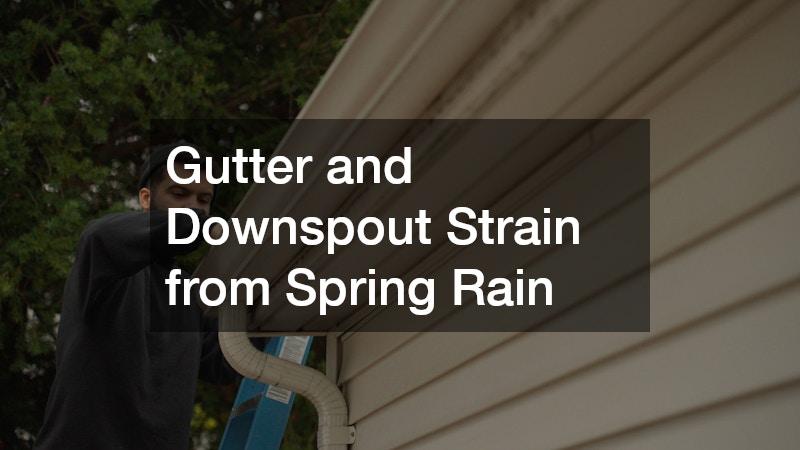
Spring storms test your drainage system more than any other time of year, and clogged or undersized gutters are one of the most common causes of foundation and siding damage. When water overflows instead of channeling away from the house, it can pool near the foundation, stain siding, and erode landscaping beds. Homeowners often notice this pattern only after a season of heavy rain has already caused damage.
Many older homes still rely on sectional gutters, which have seams that loosen and leak over time. Upgrading to seamless gutters reduces the number of joints where debris and water can escape, and it tends to hold up better through repeated freeze-thaw and heavy rain cycles. If your gutters are pulling away from the fascia or overflowing during moderate rain, that is a clear sign it is time for an inspection or replacement.
Foundation Cracks Following Ground Saturation
Saturated soil in spring can shift and settle in ways that stress a home’s foundation, especially if drainage around the perimeter is poor. Clay-heavy soils are particularly prone to this because they expand when wet and contract as they dry, creating repeated cycles of pressure against foundation walls. If your gutters dump water near the foundation instead of channeling it several feet away, or if the ground slopes toward the house rather than away from it, you’re at higher risk. Hairline cracks that appear or widen after a wet season are worth documenting with photos so you can track whether they are growing. A simple trick is to mark the ends of a crack with a pencil and jot down the date, then measure again in a month; movement beyond 1/8 inch or cracks that run diagonally rather than straight up and down are generally more concerning than thin vertical hairlines. Horizontal cracks or ones wider than a quarter-inch often signal structural stress and warrant a call to a foundation specialist rather than a wait-and-see approach. Doors and windows that suddenly stick, or new gaps between the wall and ceiling trim, often point to the same underlying movement. Uneven floors, cracks in tile or drywall near corners, and a chimney that appears to be leaning slightly away from the house are other signs worth noting. Keeping a simple log of when these symptoms first appeared, alongside your crack photos, gives any contractor or engineer you eventually call a much clearer picture of how quickly the problem is progressing.
- Measure crack width with a tape measure or crack gauge, noting the date; cracks wider than 1/4 inch or growing more than 1/16 inch per month warrant a foundation specialist
- Photograph cracks monthly using a coin or ruler for scale so changes are easy to compare over time
- Watch for uneven floors, sloping surfaces, or doors and windows that stick, bind, or no longer latch properly
- Check exterior grading to confirm soil slopes away from the house at least 6 inches over the first 10 feet
- Look for gaps forming around window and door frames, especially where trim separates from siding
- Inspect gutters and downspouts to ensure they extend at least 3-4 feet from the foundation, preventing water pooling near the base
HVAC Strain During Summer Heat Waves
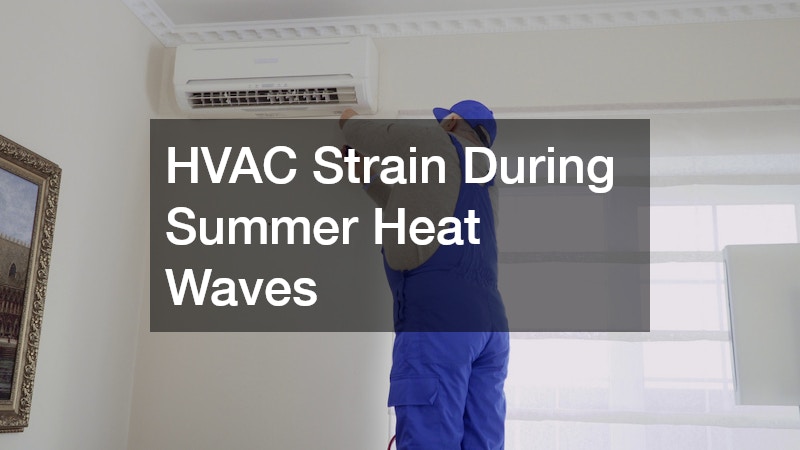 Air conditioning systems work overtime once temperatures climb, and this is when small mechanical issues turn into full breakdowns. Weak airflow, warm spots in certain rooms, or a system that runs constantly without reaching the thermostat setting are early signs of strain. Dirty filters and low refrigerant are common culprits, but aging compressors also tend to fail during the hottest stretch of the year.
Scheduling a tune-up with a reliable HVAC company before peak summer arrives can catch these issues while they are still minor and inexpensive. Waiting until the unit stops working entirely usually means a longer repair wait time and a much higher bill, since everyone else’s system tends to fail around the same week of extreme heat.
Plumbing Pressure Changes in Extreme Temperatures

Plumbing systems react to temperature swings in ways that are easy to overlook until a pipe bursts or a fixture starts leaking. In winter, exposed pipes in crawl spaces or exterior walls are vulnerable to freezing, while summer heat can cause expansion in older galvanized piping. A sudden drop in water pressure, unusual banging noises, or discoloration in tap water are all signs something has shifted in the system.
If you notice recurring issues at the start of each season, it is worth having licensed plumbing contractors inspect exposed piping, water heaters, and shutoff valves before the next temperature swing hits. Small leaks behind walls often go unnoticed until they cause mold or warped flooring, so early detection really does matter here.
- Listen for banging or knocking pipes when water is turned on
- Check under sinks for slow drips or moisture buildup
- Note any sudden changes in water pressure or color
- Insulate exposed pipes before the first hard freeze
Flooring Damage from Humidity and Moisture Swings
Flooring reacts to humidity changes more than most homeowners realize, especially hardwood and laminate. In summer, high humidity can cause boards to swell, cup, or buckle slightly at the seams, while winter dryness often leads to gaps and shrinkage. These changes are usually gradual, so it helps to inspect flooring at the start of each season rather than waiting for obvious warping.
If you are noticing consistent damage year after year, a visit to a flooring store can help you find materials better suited to your climate, such as engineered wood or moisture-resistant laminate. Staff at a good flooring store can also recommend proper underlayment and humidity control tips that extend the life of whatever material you choose next.
Tree and Landscape Damage After Storm Season
Storms and heavy winds put a lot of stress on mature trees, and the damage is not always obvious right away. Cracked limbs, leaning trunks, or exposed roots near the base can indicate structural weakness that may fail during the next storm. Trees positioned close to the house, garage, or power lines deserve extra attention since falling limbs cause a disproportionate amount of seasonal property damage.
Bringing in a tree service company for a post-storm assessment is a smart move if you notice split bark, hanging branches, or soil heaving around the root ball. Professionals can also spot early signs of disease or pest infestation that homeowners typically miss until a tree is already dying.
- Look for cracked or hanging limbs after wind events
- Check for leaning trunks or soil lifting near the roots
- Watch for thinning canopy or unusual leaf discoloration
- Keep branches trimmed away from rooflines and power lines
Fence and Outdoor Structure Wear Through the Seasons
Fences take a beating from seasonal moisture, wind, and temperature swings, especially wood fencing that expands and contracts throughout the year. Leaning posts, splitting boards, or rusted hardware are common signs that a fence line is struggling to hold up under repeated seasonal stress. Metal fencing is not immune either, since freeze-thaw cycles can loosen posts set in shallow concrete footings.
A fence contractor can assess whether the issue is isolated to a few boards or points to a bigger problem with post depth or drainage around the fence line. Catching a leaning section early usually means a simple repair, while ignoring it through another season often means replacing an entire run of fencing.
Backyard Amenity Damage from Weather Exposure
Pools and hot tubs are especially vulnerable to seasonal shifts, since freezing temperatures can crack plumbing lines and shifting ground can stress the surrounding structure. Water left in pipes, filters, or pumps expands as it freezes, which can split fittings and force costly repairs once temperatures rise again. This is why proper winterization—draining lines, adding antifreeze made for pools, and covering equipment—matters so much in colder climates. Cracks in pool decking, discoloration in the water, or a hot tub that struggles to maintain temperature are all signs that seasonal wear is catching up with the equipment. Concrete decking is particularly prone to freeze-thaw cycles, where water seeps into small pores, freezes, and expands, gradually widening hairline cracks into larger structural issues. Cloudy or discolored water can also signal that a pump or filtration system was damaged by cold exposure and isn’t circulating properly. Homes in regions with harsh winters often need extra attention paid to winterizing these systems properly, including insulating exposed pipes and checking seals on hot tub covers. Even a few hours of exposure to temperatures below 20°F can be enough to cause damage if equipment wasn’t drained correctly. Scheduling a professional inspection each fall can catch small vulnerabilities—like worn gaskets or minor cracks—before winter turns them into expensive failures.
Backyard amenities take a beating from seasonal weather, and pools are especially vulnerable to sun exposure, freezing temperatures, and heavy rain runoff. Cracked coping, faded or peeling pool liners, and pump systems that struggle to start after a cold snap are all signs that materials weren’t matched to your climate in the first place. If you are noticing these recurring issues or considering an upgrade altogether, working with experienced pool builders can help you choose materials, finishes, and equipment designed to handle your specific weather patterns rather than a generic setup. Hot tubs face similar seasonal stress, particularly from repeated freeze-thaw cycles that can crack shells, damage plumbing lines, and wear down seals over time. Proper hot tub installation with the right foundation, drainage, and insulation makes a noticeable difference in how well the unit holds up year after year. A well-insulated base also reduces energy costs, since the system doesn’t have to work as hard to maintain temperature in cold months. Small details matter too: check that covers fit tightly to prevent snow and ice buildup, and inspect gaskets each fall before temperatures drop. Catching a small crack or worn seal early can save homeowners from a far costlier repair once winter sets in fully.
Backup Power Reliability Before Storm Season
Severe weather often knocks out power for days at a time, and that is exactly when homeowners discover their backup generator has not been maintained. Fuel line issues, dead batteries, and worn spark plugs are common reasons a generator fails right when it is needed most. Running a generator briefly every month helps keep it in working order and reveals small problems before an actual outage.
If your unit has been sitting unused for a while or is showing error codes, scheduling cummins generator repair before storm season arrives is far better than discovering the issue during a blackout. A properly maintained generator can mean the difference between a minor inconvenience and days without heat, refrigeration, or water pressure.
Recognizing these seasonal patterns early puts you in control instead of reacting to emergencies after the damage has already spread. A few minutes of seasonal walk-around inspections can catch most of these issues while they are still small and affordable to fix. Keep a simple checklist for each season and address concerns as soon as they appear rather than waiting for the next one to make things worse. Staying proactive about your home’s systems, structures, and outdoor spaces is the most reliable way to protect your investment year after year.