-
Inspect and maintain your heating system early to prevent breakdowns and ensure reliable warmth.
-
Seal drafts and improve insulation to keep heat inside and reduce energy costs.
-
Clean and check roofs, gutters, and flashing to avoid water damage and ice buildup.
-
Winterize plumbing to prevent frozen or burst pipes during extreme cold.
-
Stock emergency supplies to stay safe and comfortable during storms or power outages.
-
Maintain fireplaces and chimneys to ensure safe, efficient heating options.
-
Prepare outdoor spaces and vehicles to reduce hazards and protect property.
Winter can be a magical time of year, but it can also be tough on your home—and your budget—if you’re not ready for it. Between freezing temperatures, icy storms, and heavy snow, the season can create a whole list of challenges that catch many homeowners off guard. The good news is that a little planning and preparation can go a long way. With some simple steps, you can keep your home safe, stay warm, and avoid those costly last-minute repairs. This guide lays out a winter preparedness checklist for home with 10 budget-friendly tips designed to help you stay comfortable, organized, and worry-free all season long.
Why Winter Prep Really Matters
Winter can be tough on your home, and it’s easy to forget just how much the cold, snow, and ice can affect things. A little planning now can save a lot of stress later.
Think about it—frozen pipes, drafty windows, or a heating system that suddenly fails in the middle of a cold snap can turn a cozy winter day into a real headache. Even small issues, like leaky gutters or thin insulation, can make your home uncomfortable and drive up energy bills.
Winter prep isn’t just about avoiding problems. It’s about keeping your home safe and comfortable, making sure your family stays warm, and having the right supplies on hand if the power goes out or a storm hits. Following a winter preparedness checklist for home can also help you get organized and tackle tasks ahead of time, allowing you to save money with preventive home repairs and avoid unexpected expenses.
It’s also a chance to take a quick look at your home’s efficiency. Sealing a few gaps, insulating a chilly corner, or checking your heating system can make a noticeable difference in comfort and energy use. With a few simple adjustments, you’re not just boosting comfort—you’re also laying the groundwork for the more detailed winter prep steps that follow.
1. Inspect and Maintain Your Heating System
A reliable heating system is the backbone of winter comfort. Before temperatures drop, spend time checking your furnace, boiler, or heat pump to ensure it’s running efficiently and safely.
-
Replace or clean furnace filters: Clogged filters restrict airflow, forcing your system to work harder. Replace disposable filters monthly or clean reusable ones to maintain efficiency.
-
Check vents and ducts: Remove dust and debris from vents, and ensure ducts are sealed and free of leaks to improve airflow.
-
Schedule a professional inspection: If your system hasn’t been serviced in over a year, hire a certified technician. They can spot issues like gas leaks, worn-out components, or inefficient operation before they become emergencies.
-
Bleed radiators and check thermostats: Trapped air in radiators reduces heat output. Bleeding them ensures even heating throughout your home. Test thermostats for accuracy to prevent unnecessary energy usage.
By taking these steps early, you reduce the risk of breakdowns and costly repairs while keeping your home warm. For households planning improvements, consider upgrading your home heating system to a more energy-efficient model—it may cost more upfront but can save money in the long run while reducing your carbon footprint.
2. Seal Drafts and Insulate Properly
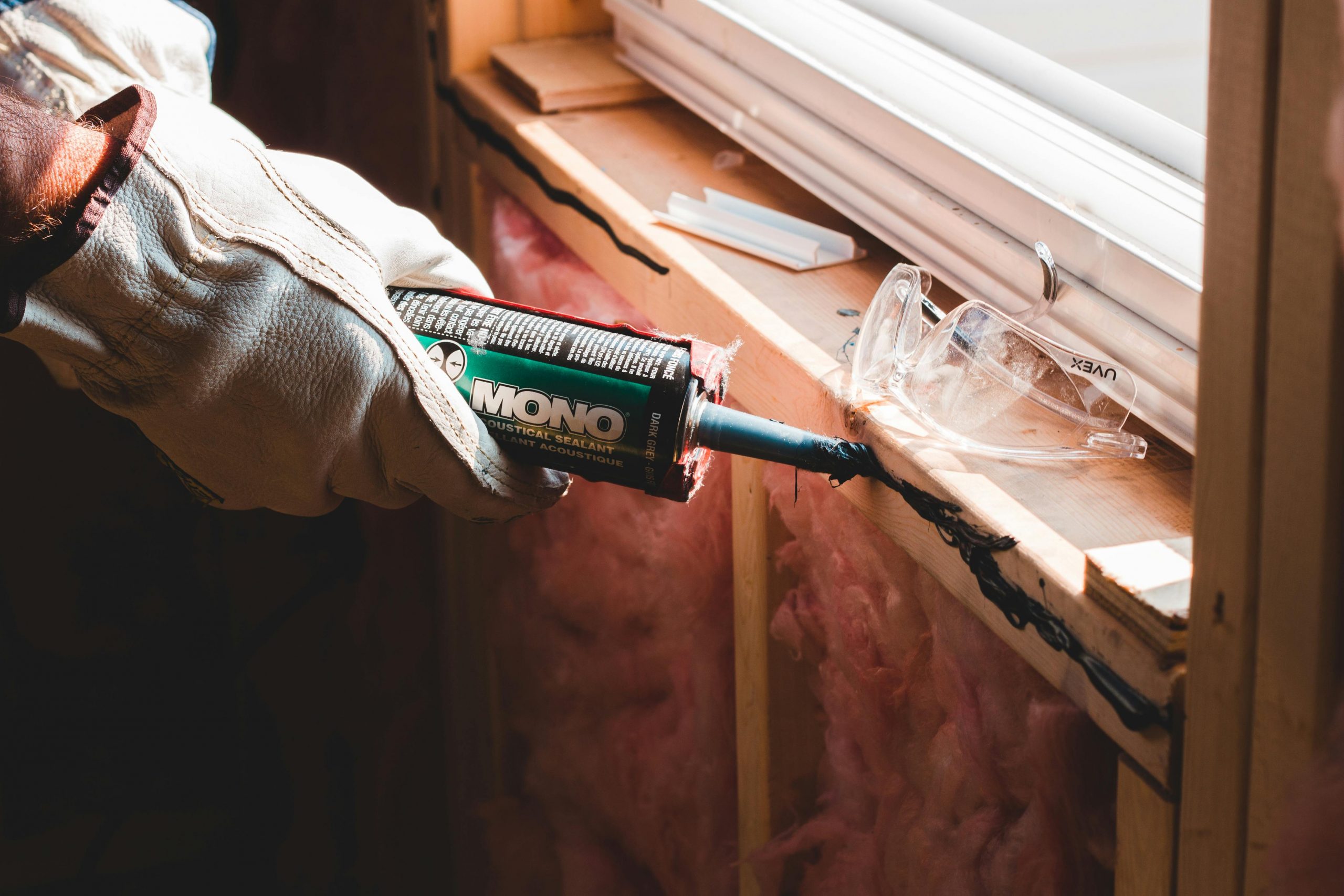
Cold air sneaking in through windows, doors, or gaps can make your heating system work overtime and inflate energy bills. Sealing drafts and improving insulation is one of the most budget-friendly ways to stay warm.
-
Use weatherstripping and caulking: Seal gaps around windows and doors. For larger openings, apply foam or rubber weatherstrips to prevent cold air from entering.
-
Install draft stoppers: Placing them at the base of doors can block airflow from hallways or unfinished areas.
-
Enhance attic, basement, and crawl space insulation: These areas are often overlooked but account for significant heat loss. Adding insulation can make a noticeable difference in home warmth.
-
Insulate pipes: Prevent frozen pipes by covering them with foam sleeves or wrapping them in insulation tape, especially in unheated areas.
Proper insulation improves comfort and significantly lowers energy bills, making it a simple but highly effective step in winter preparedness.
3. Inspect Roofs and Gutters
Winter storms can cause significant damage if your roof or gutters are neglected. Proactive maintenance reduces the risk of leaks, ice dams, and costly repairs.
-
Examine shingles and roofing materials: Replace missing or damaged shingles to prevent water penetration.
-
Clean gutters and downspouts: Remove leaves, sticks, and debris to ensure proper drainage. Blocked gutters can lead to ice dams, which may damage your roof and ceilings.
-
Check flashing and seals around chimneys and vents: These areas are prone to leaks and water intrusion. Make repairs before heavy snow or ice accumulates.
These preventive steps can protect your home against the unexpected, from ice dam damage to roof leaks during snowstorms, keeping both your family and investment safe.
4. Prepare Your Plumbing
Frozen or burst pipes are a common winter problem that can lead to expensive repairs and water damage. Preparing your plumbing ahead of time keeps your home running smoothly.
-
Drain outdoor hoses and turn off exterior water sources: Disconnect hoses, shut off outdoor faucets, and drain any remaining water.
-
Insulate exposed pipes: Focus on pipes in basements, garages, attics, and unheated rooms. Use foam sleeves or insulation tape.
-
Let faucets drip during extreme cold: A small, steady drip prevents pressure buildup and reduces the risk of frozen pipes.
-
Locate your main water shut-off valve: In case a pipe does burst, knowing the valve location allows you to act quickly and minimize damage.
Investing a little time in winterizing plumbing can save thousands in emergency repairs later.
5. Stock Up on Emergency Supplies
Winter storms can leave you without power, heat, or access to stores. Preparing an emergency kit ensures you and your family are safe and comfortable during disruptions.
-
Food and water: Keep at least three days’ worth of bottled water and non-perishable food items on hand.
-
Lighting and warmth: Flashlights, batteries, candles, and extra blankets are essential. Consider a battery-powered heater for small spaces.
-
Medical and personal supplies: Maintain a stocked first-aid kit, essential medications, and hygiene products.
-
Communication and contacts: Keep a list of emergency contacts, including neighbors, utility companies, and local authorities.
Being prepared allows you to weather storms without panic or unnecessary trips outside, especially when travel conditions are dangerous.
6. Maintain Your Fireplace and Chimney

A fireplace is both cozy and practical, but it can be a hazard if not maintained properly.
-
Annual professional inspection and cleaning: A chimney sweep removes creosote buildup, which is highly flammable, and checks for structural issues.
-
Check the fireplace structure: Look for cracks or loose bricks that could compromise safety.
-
Install a spark guard: This prevents embers from escaping and igniting nearby materials.
-
Burn only seasoned wood: Avoid wet or green wood, which produces more smoke and creosote.
A well-maintained fireplace ensures a safe, reliable heating option and adds a cozy ambiance to your winter home.
7. Prepare a Home Maintenance Budget
Winter preparation involves many small tasks that can add up financially. Planning ahead helps you allocate funds and stay within budget.
-
List potential winter maintenance tasks: Include inspections, repairs, heating checks, and emergency supplies.
-
Estimate costs for materials and professional services: Research average costs to avoid surprises.
-
Allocate funds for unexpected repairs: Setting aside a small emergency fund prevents financial stress when emergencies arise.
-
Consider DIY options: Smaller tasks like sealing windows or insulating pipes can save money and are easy for most homeowners.
By taking the time to create a home maintenance budget, you ensure all essential tasks are covered without overspending while staying ahead of seasonal needs.
8. Check Windows and Doors
Windows and doors are major sources of heat loss, and even small gaps can reduce energy efficiency. Addressing these issues helps keep your home warm.
-
Seal cracks and gaps: Use caulking around window frames and weatherstripping around doors.
-
Repair or replace damaged panes: Broken or cracked glass can let in cold air and moisture.
-
Install storm windows: They provide an extra layer of insulation, especially for older homes.
-
Ensure doors close properly: Adjust hinges, replace worn-out seals, or install door sweeps to block drafts.
Even minor improvements here can lead to noticeable energy savings and a more comfortable home.
9. Focus on Preventive Repairs
Winter can exacerbate small issues in your home, turning them into costly emergencies. Taking care of repairs now can prevent headaches later.
-
Fix leaks and drips: Leaky roofs, faucets, or plumbing issues can worsen with freezing temperatures.
-
Test detectors: Check smoke and carbon monoxide detectors to ensure they function correctly.
-
Inspect foundation and basement: Seal cracks and address water seepage before heavy snow or ice melts.
-
Maintain appliances: Clean water heaters, HVAC units, and refrigerators to avoid breakdowns during the cold season.
These measures help you save money with preventive home repairs while keeping your family safe and comfortable.
10. Prepare Outdoor Spaces and Vehicles
Winter affects the exterior of your home and your transportation, so it’s essential to plan ahead.
-
Trim tree branches: Remove weak branches that could break under snow or ice, potentially damaging your home or vehicles.
-
Protect outdoor furniture: Cover or store items indoors to prevent damage from snow, ice, and freezing temperatures.
-
Keep walkways clear: Salt or sand paths to prevent slips and falls.
-
Winterize your car: Check antifreeze, battery health, and tires. Keep a small emergency kit with blankets, food, and a flashlight.
Taking care of outdoor spaces and vehicles reduces winter hazards and protects both your property and your loved ones.
Wrapping Up
Winter doesn’t have to be stressful or expensive. Following this winter preparedness checklist for home ensures you stay safe, warm, and budget-conscious. From maintaining your heating system to stocking emergency supplies and addressing preventive repairs, each tip provides practical, actionable advice to help your home withstand the cold months. By planning ahead, you can enjoy winter with peace of mind and comfort.