Your home is likely the largest financial investment you will ever make, and its value does not stay protected on its own. Small issues left unattended, from a clogged drain to a cracked driveway, tend to snowball into expensive repairs that chip away at your equity. The good news is that a simple, season by season maintenance routine can catch problems early and keep your property in top condition. This guide walks through what to check throughout the year so you can make informed decisions instead of costly emergency calls.
Building a Seasonal Maintenance Mindset
Homeowners who treat maintenance as a year round habit rather than a one time event tend to spend less money overall. Weather changes put different kinds of stress on a house, so tasks that matter in April are not the same ones that matter in October. Thinking in seasons helps you spread out costs instead of facing several major repairs at once. It also gives you a natural rhythm for inspecting areas of the home that are easy to forget, like crawl spaces or exterior fasteners.
Creating a simple checklist tied to the calendar makes this approach easier to stick with. Many homeowners find it helpful to pair maintenance tasks with existing seasonal routines, such as checking smoke detectors when clocks change or inspecting the attic when swapping out storm windows. Over time this becomes second nature and takes only a few hours each season.
Spring Roof and Water Management Checks
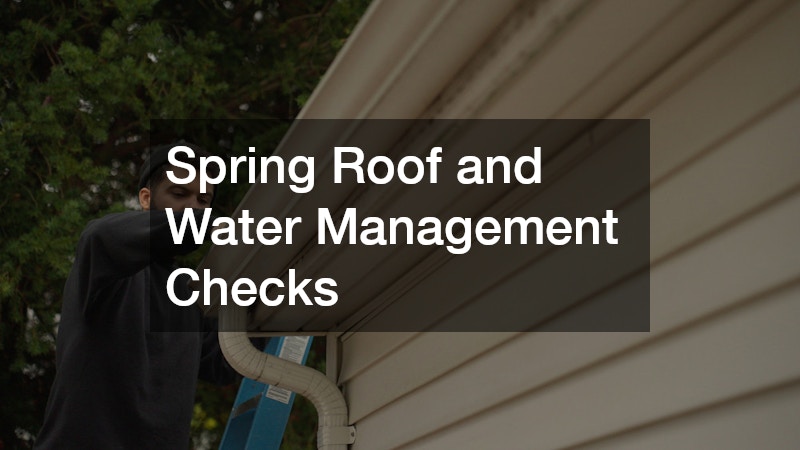
Spring is the ideal time to assess how well your home handled winter weather, especially when it comes to water drainage. Rain gutters that are clogged with leaves and debris can send water pooling near your foundation, which leads to cracking, mold, and even basement flooding. Most experts recommend cleaning gutters at least twice a year, but if your property is surrounded by trees, a spring and fall schedule may not be enough to prevent buildup.
While you’re up there, check that downspouts extend at least four to six feet away from the foundation, since shorter runs simply dump water right back where it can cause damage. Walking the perimeter of your house after a storm will also show you whether water is draining properly away from the structure or collecting in low spots on the lawn. Standing water near the foundation is often an early warning sign that grading or drainage adjustments are needed.
Don’t stop at the gutters, either. Take a moment to scan the roofline for missing, curling, or granule-bare shingles, and look closely at flashing around chimneys and vents where leaks commonly start. If you notice sagging sections or water marks on the siding, it is a sign the gutter system needs cleaning or repair before summer storms arrive.
Spring is also a good season to have a roofing company inspect for loose shingles, damaged flashing, or granule loss that often follows heavy snow and ice. A professional inspection can identify minor wear before it turns into a leak that damages insulation and drywall. Most roofing companies will also check pipe boots, vent seals, and chimney flashing, since these small components are common leak points that homeowners rarely think to examine.
While the roof is being checked, it’s worth having the gutters and downspouts cleaned and inspected as well. Clogged gutters can send water cascading behind fascia boards or pooling near the foundation, leading to rot or basement seepage. Look for sagging sections, loose brackets, or visible rust, and confirm that downspouts direct water at least four to six feet away from the foundation.
Catching these issues in spring gives you time to schedule repairs before the intense heat of summer or the storms of fall arrive. Many roofing companies offer discounted rates during this shoulder season, since demand is lower than in peak summer or post-storm periods. Addressing small problems now, such as a $150 flashing repair, can prevent costlier fixes later, like a full roof replacement running into the thousands.
- Check downspouts to confirm water is directed at least five feet away from the foundation; add downspout extensions or splash blocks if runoff is pooling closer than that
- Look for granules collecting in gutters, which can indicate roof aging — a handful after a single rain is normal, but steady buildup often signals shingles nearing the end of their 20-25 year lifespan
- Trim overhanging branches that drop debris onto the roof, keeping limbs at least 6-10 feet back to reduce clogged gutters and moss growth in shaded, damp spots
- Inspect attic insulation for signs of moisture after winter, checking for compressed, discolored, or musty-smelling patches near the roofline where ice dams may have formed
- Examine flashing around chimneys, vents, and skylights for gaps or rust, since these are common points where winter freeze-thaw cycles crack seals
Controlling Lawn Pests Before They Spread
Warmer spring soil brings lawn pests out of dormancy, and grubs are one of the most damaging culprits homeowners face. These small white larvae feed on grass roots just below the surface, leaving patches of lawn that lift up like carpet and turn brown despite regular watering. Effective grub control early in the season prevents an infestation from spreading to healthy areas and attracting animals like raccoons or skunks that dig up lawns searching for a meal.
Testing for grubs is simple: cut a small square of turf and check the roots for c shaped larvae. If you find more than a handful per square foot, it is worth treating the area before damage becomes visible. A healthy, well maintained lawn also adds real value to a home’s curb appeal, so protecting it from underground pests is worth the modest effort.
- Water deeply but infrequently to encourage strong root growth
- Avoid overwatering, which attracts egg laying beetles
- Apply preventive treatments in late spring before eggs hatch
- Monitor for increased bird or animal activity on the lawn
Summer Upkeep for Outdoor Structures
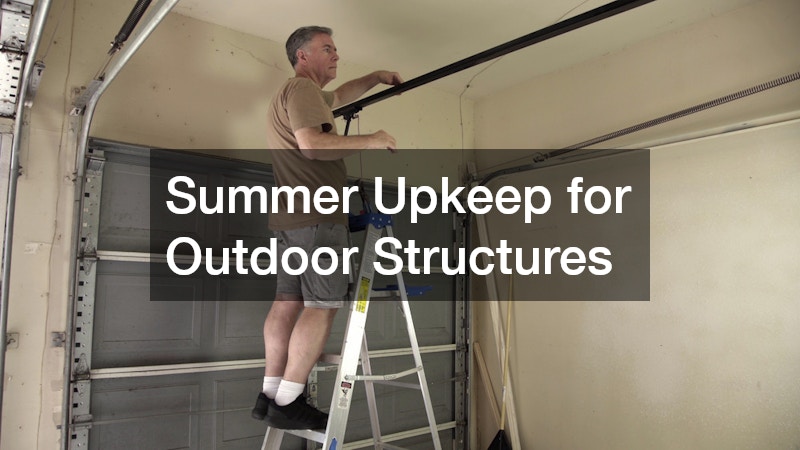
Longer days and drier weather make summer the best time to address exterior features that take a beating from sun and heat. Garage doors are used dozens of times a week, and the hardware, springs, and tracks can wear down without regular lubrication and alignment checks. A quick seasonal habit—wiping down tracks and applying a silicone-based lubricant to rollers, hinges, and springs every three to six months—can add years to the system’s life.
Watch for warning signs beyond noise and weight. Uneven gaps along the sides when the door is closed, visible rust on springs, or a door that jerks instead of gliding smoothly all point to components under strain. If the door feels heavy, makes grinding noises, or does not close evenly, calling a garage door installer for an inspection can prevent a full system failure that leaves your vehicle stuck inside or your home less secure.
Summer heat also causes wood and composite panels to expand, which can throw off the door’s balance and put extra load on the opener motor. Testing the auto-reverse safety feature and checking that the door stays open on its own when lifted halfway are simple checks any homeowner can do. Catching these issues early, rather than waiting for a breakdown during a heat wave, keeps repair costs modest and protects the resale value tied to a functioning, secure garage system.
Summer heat also reveals cracks and settling in concrete surfaces like driveways, walkways, and patios. Hairline cracks wider than an eighth of an inch are a signal that water infiltration has already begun, and any noticeable dip or unevenness between slabs often points to soil erosion underneath. Left ignored, these small fractures allow water to seep in, freeze during the next cold snap, and expand into larger, more expensive fractures.
Dry summer weather is actually the ideal window for repairs, since consistent temperatures above 50 degrees allow patching compounds and resurfacing materials to cure fully without cracking or flaking. Reaching out to concrete contractors for resurfacing or crack repair during this season ensures the work is done right the first time. A professional assessment can also catch drainage issues or rebar exposure that a homeowner might miss, protecting the surface for several seasons to come.
- Lubricate garage door rollers, hinges, and tracks twice a year using silicone or lithium-based spray, not WD-40, which attracts dust
- Test garage door balance by disconnecting the opener, lifting the door manually, and checking it stays put halfway open
- Inspect weatherstripping around garage doors and windows for cracks or gaps that let in summer heat and pests
- Seal small concrete cracks in driveways and walkways before winter freeze cycles begin, using a polyurethane sealant for cracks under 1/4 inch
- Check deck and patio boards for warping, popped nails, or soft spots caused by moisture, especially near ground contact
- Watch for uneven settling near steps or slabs, which can be a tripping hazard and a sign of erosion or drainage issues
- Clear debris from fence lines and gate hardware, and re-tighten hinges loosened by summer heat expansion
Preparing Your Heating System and Chimney for Fall

As temperatures drop, your home’s heating system needs to be ready for consistent daily use. Start by scheduling a furnace inspection to check the heat exchanger, ignition components, and thermostat calibration before you rely on it daily; a quick filter replacement (every 60-90 days) also keeps efficiency up and utility bills down.
Scheduling a chimney sweep in early fall clears out creosote buildup and blockages from nests or debris that accumulate over the warmer months. Look for a technician certified through the Chimney Safety Institute of America (CSIA), since they’re trained to spot cracked flue liners and dangerous creosote glazing that a casual inspection might miss.
This simple service reduces the risk of chimney fires and improves airflow, which makes your fireplace or wood stove safer and more efficient once cold weather sets in. While the technician is there, ask them to test your carbon monoxide detectors and check the damper seal, since both are inexpensive safeguards that prevent costly problems later.
As temperatures start to drop, it is smart to have your furnace or heat pump serviced before the first cold snap arrives. Reputable HVAC companies typically perform a full inspection that includes cleaning burners and coils, replacing or upgrading filters, checking refrigerant levels, and testing the thermostat and ignition system for proper function. This is also the time to inspect ductwork for leaks, since sealing gaps can improve efficiency by as much as 20 percent.
Don’t overlook the chimney if your home relies on a wood-burning or gas fireplace. A certified chimney sweep can remove creosote buildup, a leading cause of house fires, and check for cracks or blockages from nesting animals or debris. Scheduling this service in early fall, before demand peaks, often means shorter wait times and lower costs.
A well maintained system not only keeps your home comfortable but also uses less energy, which can noticeably lower your winter utility bills. Homeowners who invest in annual tune-ups often see fewer emergency repair calls during the coldest months, when replacement parts and technician availability are hardest to come by. Over time, these small seasonal investments help extend the lifespan of expensive equipment, protecting one of your home’s largest ongoing expenses.
- Replace furnace filters every one to three months during heavy use, checking monthly if you have pets or allergy sufferers at home
- Schedule a professional furnace inspection each fall to clean burners, check heat exchangers, and verify safe operation
- Test carbon monoxide detectors near sleeping areas and replace batteries even if they still show a charge
- Clear leaves and debris from outdoor HVAC units, keeping at least two feet of clearance on all sides for proper airflow
- Have chimney caps checked to keep out animals and moisture, and schedule a chimney sweep if you’ve burned more than a cord of wood
- Inspect chimney mortar and flashing for cracks that could let water damage the surrounding roof structure
Fall Plumbing and Septic Care
Fall is also the time to think about what is happening underground before the ground freezes. If your property relies on a septic system, scheduling an inspection with a septic company can catch slow drains, unusual odors, or soggy patches in the yard that signal a tank nearing capacity. Pumping the tank on a regular schedule, typically every three to five years depending on household size, prevents backups that are both expensive and unpleasant to deal with.
This is also a good time to insulate exposed pipes and disconnect garden hoses to prevent freezing damage once temperatures drop below freezing overnight. Small steps taken in fall can save homeowners from emergency plumbing repairs in the dead of winter. Being proactive about what you cannot see below ground is just as important as maintaining the visible parts of your home.
- Watch for slow draining sinks or gurgling toilets as early warning signs
- Keep heavy vehicles off the drain field to avoid compaction
- Insulate outdoor spigots and shut off exterior water lines
- Schedule septic pumping based on household size and tank capacity
Winter Roof Inspections and Long Term Materials

Winter puts unique stress on roofing materials, especially with the weight of snow and the freeze thaw cycle that follows ice storms. Homes with clay or concrete tile roofing benefit from periodic checks by experienced tile roofers, since individual tiles can crack under heavy snow load or shift out of place during high winds. Catching a cracked tile early prevents water infiltration that can damage the underlying structure and lead to far more expensive repairs.
Even if your roof is a different material, winter is a good time to look for ice dams forming along the eaves, which happen when heat escapes unevenly through the attic and melts snow that refreezes at the roofline. Addressing attic ventilation and insulation can reduce this problem significantly. A roof in good condition protects everything underneath it, making it one of the most important investments to monitor closely.
- Look for icicles forming along gutters, a sign of possible ice dams
- Check attic insulation levels to reduce uneven roof heating
- Have cracked or slipped tiles replaced before spring rains arrive
- Keep an eye on flashing around chimneys and skylights
Vetting Contractors for Major Home Projects
Whenever a maintenance issue grows into a larger renovation, choosing the right professional matters as much as the work itself. Industries like healthcare construction operate under strict codes and inspection standards, and applying that same level of diligence when hiring for your home pays off in the long run. Ask for licensing, insurance verification, and references before signing any contract, especially for structural work.
Getting multiple quotes and checking recent project photos or reviews helps you avoid contractors who cut corners. A little research upfront protects both your budget and your home’s long term value, since poorly executed repairs often need to be redone within a few years.
- Request proof of licensing and liability insurance
- Ask for at least three references from recent jobs
- Compare written estimates rather than verbal quotes
- Confirm warranty terms on labor and materials
Tracking Maintenance and Protecting Resale Value
Keeping records of every inspection, repair, and upgrade gives future buyers confidence that your home has been well cared for. A simple folder or spreadsheet noting dates and service providers can become a valuable selling point when it comes time to list your property. Buyers and appraisers alike respond well to documented proof that a home has received consistent attention rather than sporadic fixes.
This habit also helps you personally, since it becomes easier to spot patterns, like a system that needs service more frequently than expected. Reviewing your maintenance log once a year is a helpful way to plan for upcoming expenses and prioritize which projects deserve attention first.
Protecting your home’s value does not require a massive budget or constant worry, just a consistent seasonal routine that catches small problems early. By staying on top of roofing, drainage, pest control, and mechanical systems throughout the year, you avoid the kind of neglect that leads to costly surprises. Start by choosing one or two tasks from this guide to tackle this month, then build your checklist from there. A little consistent effort now will pay off significantly when it is time to sell or simply enjoy a well maintained home.