Every home improvement project sits on top of systems you rarely see but depend on every day, from the roof over your head to the septic system beneath your yard. Focusing only on visible upgrades like paint colors or new fixtures while ignoring these hidden systems can lead to costly surprises down the road. Whether you are planning a renovation or simply maintaining your property, understanding how to protect these foundational systems is just as important as choosing the right countertops. This guide walks through the key systems homeowners need to consider so your improvements last as long as the investment deserves.
Evaluate Your Roof Before Starting Interior Work

Before you tear into drywall or refinish floors, it pays to look up. A compromised roof can undo months of interior work if water finds its way in during the next storm. Small issues like cracked flashing or missing shingles are often fixable without a full overhaul, and catching them early saves both money and stress.
Timely roof repair addresses these small problems before they become structural headaches. A professional assessment can tell you whether you are dealing with a simple patch job or something more serious that affects the whole structure.
- Check for curling, cracked, or missing shingles after major storms
- Look for water stains on interior ceilings, a sign of hidden leaks
- Inspect flashing around chimneys and vents for gaps
- Clear debris from gutters to prevent water backup under roofing materials
Recognize When a Full Roof Overhaul Makes Sense
Sometimes patchwork solutions only delay the inevitable. If your roof is nearing the end of its expected lifespan or has widespread damage, a full roof replacement may be the more cost-effective choice in the long run. Trying to stretch an aging roof through one more season often costs more in repeated repairs than simply starting fresh.
Age is one of the clearest indicators. Most asphalt shingle roofs last between 20 and 25 years, and once you approach that range, frequent leaks and granule loss become common. Replacing the entire system also gives you the opportunity to upgrade materials and improve energy efficiency at the same time.
- Roof is 20 years or older with visible wear across multiple sections
- Repeated leaks in different areas rather than one isolated spot
- Sagging rooflines that suggest structural deterioration
- Rising energy bills tied to poor attic ventilation or insulation loss
Choose Qualified Professionals for Roofing Projects

Not all roofing work is created equal, and the difference often comes down to who is doing the job. Experienced roofing contractors bring the training, insurance, and local code knowledge needed to handle both minor fixes and complete overhauls safely. Before hiring, verify that a contractor carries general liability insurance and workers’ compensation coverage, since gaps here can leave homeowners financially responsible for accidents on their property. It also pays to check for proper licensing, ask for references from recent local jobs, and request proof of manufacturer certifications if you’re installing a specific shingle or roofing system. Reputable roofing contractors will happily provide written estimates that break down materials, labor, and timeline, and they should be willing to explain how they’ll address flashing, ventilation, and underlayment—details that affect long-term performance far more than surface appearance. Hiring based on price alone can backfire if the work is not warrantied or done to code. A suspiciously low bid may signal corners being cut on materials, permits, or cleanup, all of which can surface as costly problems within just a few years. Taking the time to compare at least three quotes and reading online reviews can help you avoid contractors who disappear after collecting a deposit.
A good contractor will walk you through material options, timelines, and costs before any work begins. They should explain the differences between choices like asphalt shingles, metal, or tile, and how each holds up against local weather conditions. Be wary of anyone who pressures you into a decision on the spot or refuses to put estimates in writing. Before signing a contract, ask for references and proof of licensing and insurance. A legitimate roofing company should carry both liability coverage and workers’ compensation, protecting you from responsibility if someone is injured on your property. Don’t be afraid to call past clients directly to ask about their experience, timeline adherence, and how well the crew cleaned up after the job. It’s also wise to get at least three quotes so you understand the range of pricing in your area. Costs can vary significantly based on roof size, materials, and labor, so a wide spread between bids isn’t unusual. Use these quotes as a starting point for questions rather than automatically choosing the lowest number, since quality and warranty coverage matter just as much as price.
- Verify licensing and insurance before signing any contract, including proof of general liability and workers’ compensation coverage
- Ask for a written estimate detailing materials, labor costs, project timeline, and cleanup responsibilities
- Request references from at least three recent local projects and, if possible, drive by to view completed work
- Confirm warranty terms for both materials and workmanship, noting coverage length and what voids the warranty
- Check for manufacturer certifications, which can extend product warranties and signal specialized training
- Get multiple bids to compare pricing, but be wary of quotes significantly lower than competitors
Schedule Routine Maintenance for Your Septic System
While your roof protects what is above ground, your septic system quietly handles everything below it. Regular maintenance keeps this system working efficiently and prevents backups that can damage your yard and home. Many homeowners forget about this system entirely until something goes wrong, which often means a more expensive fix.
Routine septic pumping removes accumulated solids from the tank before they cause clogs or overflow into the drain field. Most residential systems need attention every three to five years, though usage and household size can shift that timeline.
- Have the tank inspected annually even if pumping is not yet due
- Keep a record of pumping dates to track your system’s schedule
- Avoid flushing wipes, grease, or chemicals that disrupt bacterial balance
- Watch for slow drains or gurgling pipes as early warning signs
Understand the Full Scope of Septic Tank Service

Septic tank pumping is not just about emptying the tank, it is part of a broader maintenance routine that keeps the entire system functioning. Technicians typically inspect baffles, check sludge levels, and look for signs of cracking or corrosion while they are on-site. This comprehensive approach helps catch problems before they force a much larger repair.
Skipping this service or waiting too long between visits allows solids to build up and eventually flow into the drain field, where they can cause irreversible damage. That kind of damage is far more expensive to fix than a routine service call, so staying on schedule genuinely pays off.
- Ask your technician about sludge and scum layer levels during service
- Request a written report noting the tank’s condition
- Track your household’s water usage, which affects pumping frequency
- Consider a risers installation for easier future access
Address Septic Problems Before They Escalate
Even well-maintained systems can develop issues over time, from root intrusion to a failing drain field. Recognizing the warning signs early can mean the difference between a manageable fix and a full system replacement. Standing water in the yard, sewage odors, or slow drains throughout the house are all signals worth taking seriously.
Prompt septic repair not only protects your property but also prevents potential health hazards linked to sewage exposure. A licensed septic professional can diagnose whether the issue is isolated to a pipe, the tank itself, or the drain field, and recommend the right fix without unnecessary work.
- Soggy or unusually green patches of lawn near the drain field
- Persistent sewage odors indoors or outdoors
- Slow or backing-up drains in multiple fixtures
- Gurgling sounds coming from toilets or sinks
Improve Comfort and Efficiency With Proper Insulation
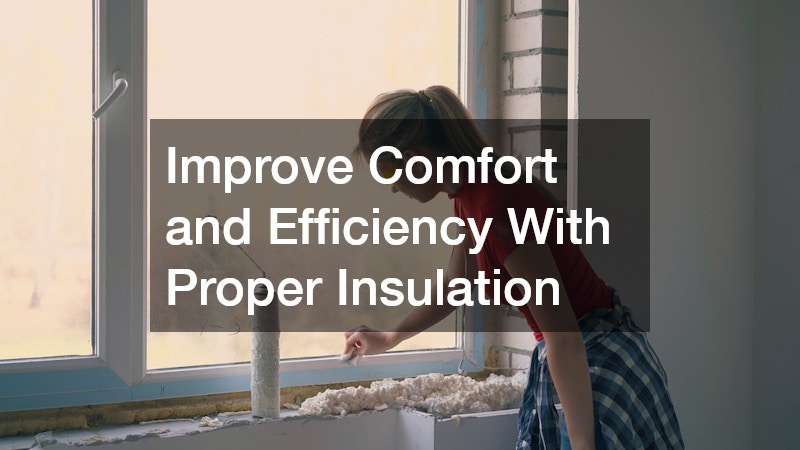
Insulation might not be visible once walls are closed up, but it has an outsized effect on comfort, energy bills, and even moisture control. Poorly insulated attics and walls let conditioned air escape, forcing your HVAC system to work harder year-round. Upgrading insulation is one of the more affordable ways to make a noticeable difference in how your home feels.
Working with experienced insulation contractors ensures the right material and R-value are chosen for your specific climate and home structure. They can also identify areas prone to moisture buildup, which if ignored, can lead to mold growth or wood rot inside your walls.
- Attics, crawl spaces, and basement rims are common problem areas
- Spray foam, batt, and blown-in insulation each suit different applications
- Proper insulation reduces strain on heating and cooling systems
- Sealing air leaks alongside insulation upgrades boosts overall efficiency
Source Reliable Materials for DIY and Professional Projects
Whether you are tackling a small repair yourself or coordinating with hired professionals, having access to quality materials matters just as much as having a solid plan. Materials that fail prematurely — cheap sealants that crack, underlayment that traps moisture, flashing that corrodes — can undermine even the best workmanship, leading to costly repairs down the road. A well-stocked contractor supply store can be a valuable resource, offering everything from fasteners and flashing to insulation batts, house wrap, and sealants at prices often better than general retail outlets. Beyond price, these suppliers typically carry commercial-grade products built for durability rather than the lighter-duty versions found on big-box shelves. For example, a contractor-grade self-adhering flashing tape or a heavier-mil vapor barrier can make a real difference in areas prone to water intrusion. Buying in bulk quantities like full boxes of fasteners or rolls of underlayment can also reduce per-unit costs on larger projects. Building a relationship with a knowledgeable supplier also gives you access to advice you might not get elsewhere. Staff at these stores often have hands-on trade experience and can help you choose the right product for your climate, substrate, or specific application. Over time, a trusted supplier can also flag new materials, warn you about installation pitfalls, and even help you source specialty items on short notice.
If you are planning a larger project, such as combining a home insulation contractor visit with other structural repairs, ask your supplier about bundling materials to save on delivery costs. Ordering insulation, vapor barriers, and framing lumber together in a single shipment can shave 10-15% off freight charges compared to placing separate orders, and it reduces the number of trucks coming to your property. Many suppliers also offer guidance on code requirements, which is especially useful if you are pulling permits for the work yourself. They can help you confirm the correct R-value for your climate zone, flag whether a vapor barrier is required in your region, and point out any local amendments to the building code that inspectors commonly check. Before committing to an order, ask for documentation such as manufacturer warranties, fire-rating certificates, and material safety data sheets. Keeping these records on hand not only protects you if a product fails prematurely, but also speeds up the inspection process since you can hand over proof of compliance on the spot.
- Compare pricing between specialty suppliers and big box retailers, since protective materials like underlayment or vapor barriers often vary 15-20% between sources
- Ask about bulk pricing for larger renovation projects, especially when covering multiple rooms or working with contractors on whole-home jobs
- Look for suppliers who offer technical guidance, not just checkout service, particularly for moisture barriers and subfloor products where installation mistakes are costly
- Check whether staff can recommend the right product for your specific substrate, climate, or moisture level
- Check return policies before purchasing specialty materials, since custom-cut or specialty-order items often carry restocking fees or no-return clauses
- Keep receipts and product documentation in case manufacturer defects surface after installation
Protecting your home means looking beyond the visible upgrades and paying attention to the systems working quietly behind the scenes. From the roof over your head to the septic system below your yard, regular maintenance and timely repairs keep small issues from becoming major expenses. Take stock of when each system was last inspected, and put a simple maintenance schedule in place if you do not already have one. A little attention now can save significant money and stress down the road.