A patio with no shade plan is a patio you will not use all summer, no matter how much money you spent on furniture and landscaping. The right combination of structure, coverage, and smart planning can turn a scorching slab of concrete into the most-used room in your house. Before you buy a single umbrella or sign a contract, it helps to understand the full range of options, from simple canopies to permanent structural additions. This guide walks through the shade solutions and related upgrades that actually make a difference, so you can make a confident, informed decision for your outdoor space.
Extendable Fabric Covers for Flexible Coverage
If you want shade that adjusts to the weather and the time of day, retractable awnings are one of the most practical upgrades you can make to a patio. Unlike a fixed roof, these systems let you extend fabric coverage during peak sun hours and retract it when you want open sky, which gives you far more control over temperature and light. Many models today come with motorized controls, wind sensors, and even smart home integration, so the awning retracts automatically before a storm rolls in.
Homeowners often underestimate how much a well-placed awning can extend the usable hours of a patio, especially in climates with intense afternoon sun. Because they mount directly to the house or a separate frame, retractable awnings require relatively little structural work compared to a full roof addition. They also tend to be more budget-friendly than permanent structures while still delivering a dramatic difference in comfort.
- Manual crank models are more affordable but require you to be present to adjust them
- Motorized versions offer remote or app control for convenience
- Fabric quality affects UV protection, fading, and lifespan significantly
- Wind and rain sensors help protect the awning from storm damage
- Many are available in custom colors to match existing exterior finishes
Solid Roof Structures and Metal Decking Options
For homeowners who want permanent, weatherproof shade, a solid patio roof is worth serious consideration. These structures can be built as an extension of the existing roofline or as a freestanding pavilion, and the material choice matters as much as the design. Roof metal decking has become a popular choice for patio covers because it holds up well against heat, rain, and wind while requiring less maintenance than wood over time.
A metal roof structure also pairs well with ceiling fans, recessed lighting, and even outdoor heaters, since the solid surface gives contractors more options for wiring and fixtures. While the upfront cost is higher than a simple awning, a well-built roof adds real value to your home and creates a space that functions more like an outdoor living room than a seasonal patio. It is a good option for anyone who entertains often or lives somewhere with unpredictable weather.
Pergolas and Louvered Roof Systems
Pergolas have evolved well beyond the classic open-lattice design that only offers partial shade. Modern louvered pergolas feature adjustable slats that rotate to block sun, allow airflow, or close completely during rain, giving homeowners a hybrid between an awning and a full roof. These systems are especially popular for patios that need shade during certain hours but full sun exposure at other times, like early morning coffee spots that become dinner spaces by evening.
The materials used in a pergola matter for durability. Aluminum louvered systems resist rust and require little upkeep, while wood pergolas offer a more traditional look but need periodic sealing and staining. Either way, a pergola creates a defined outdoor room without fully enclosing the space, which many homeowners find strikes the right balance between shelter and openness.
- Louvered aluminum pergolas typically require the least long-term maintenance
- Wood pergolas offer a warmer aesthetic but need resealing every few years
- Some systems include built-in rain gutters and drainage channels
- Motorized louvers can be paired with rain sensors for automatic closing
Natural Shade From Trees and Landscaping
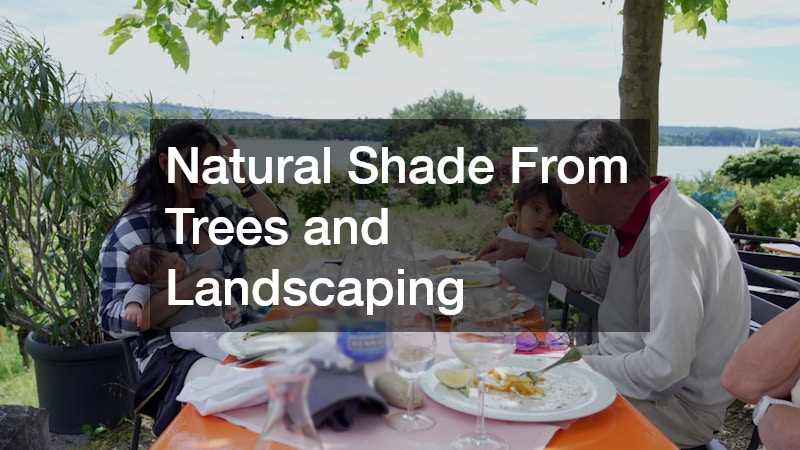
Not every shade solution needs to be built. Strategically placed trees can cool a patio significantly, especially deciduous varieties that provide shade in summer and let sunlight through once they drop their leaves in winter. Before planting near a patio, though, it is worth consulting a tree service to evaluate root systems, mature canopy size, and how close a tree can safely be planted to your foundation or hardscaping.
An arborist or tree service crew can also help you choose species suited to your climate and soil, which prevents costly removal or damage down the road. Overgrown or poorly placed trees can crack pavers, clog gutters, and drop excessive debris on outdoor furniture, so professional guidance early on saves headaches later. Trees also add long-term property value and can lower cooling costs for the whole house, not just the patio.
Ground Preparation and Site Grading for New Patio Structures
Any permanent shade structure, whether it is a roof addition or a pergola, needs a stable, level foundation to perform well over time. This is where excavating comes into play, particularly if your yard has slope, poor drainage, or existing hardscape that needs to be removed first. Skipping proper site preparation is one of the most common reasons patio structures settle unevenly or develop drainage problems within a few years.
Professional excavating also addresses what is underground, including utility lines, tree roots, and soil composition, all of which affect how footings and posts are installed. Getting this step right up front prevents cracked footings, pooling water, and structural instability later. It is not the most exciting part of a patio upgrade, but it is arguably the most important for long-term durability.
Paving and Surface Choices Beneath Your Shade Structure
The surface under your shade structure affects both comfort and longevity, so it deserves as much attention as the shade itself. Many homeowners bring in paving companies to install pavers, stamped concrete, or natural stone that can handle heat, foot traffic, and moisture without cracking or fading. A quality surface also makes it easier to anchor posts for pergolas, awnings, or roof structures securely.
Working with experienced paving companies means you get proper base preparation, correct slope for drainage, and material recommendations suited to your climate. Pavers, for instance, tend to handle freeze-thaw cycles better than poured concrete in colder regions, while stamped concrete offers a more budget-friendly option with a similar look. Choosing the right surface now prevents costly repairs and uneven settling around your shade structure later.
- Pavers allow for easier spot repairs if a section shifts or cracks
- Stamped concrete offers a decorative look at a lower cost than natural stone
- Proper slope prevents water from pooling near the house foundation
- Permeable paving options help manage stormwater runoff
Home Exterior Materials That Complement a Shaded Patio
A shade structure attached to your home should match or complement your existing exterior for the best visual result and long-term durability. James hardie siding is a popular choice among homeowners updating their exterior alongside a patio project, since it resists moisture, pests, and fading better than traditional wood siding. Matching the siding color and texture to a new patio roof or pergola creates a cohesive look rather than an obvious add-on.
Beyond aesthetics, durable siding matters structurally when a shade structure attaches directly to the house, since that connection point needs to handle weight and weather exposure without deteriorating. Fiber cement siding options hold paint well and resist warping, which reduces maintenance around the attachment area over time. This is a detail many homeowners overlook until they notice water damage or peeling paint near where the structure meets the house.
Windows and Doors That Hold Up Near Outdoor Living Spaces
Patios often connect directly to sliding doors or large windows, and those entry points need to withstand the same weather exposure as the shade structure itself. In storm-prone regions, impact door installation is worth prioritizing for any door leading out to a patio, since it protects against wind-driven debris and pressure changes during severe weather. This is especially important if your patio upgrade includes a solid roof, since the added structure can change airflow patterns around doors and windows during high winds.
Beyond storm protection, impact-rated doors also offer better insulation and noise reduction, which makes the transition between indoor and outdoor living feel more seamless. Many homeowners choose to update these doors at the same time as a patio renovation, since the labor and disruption overlap anyway. It is a practical upgrade that pays off both in comfort and in insurance premiums in many coastal areas.
Home Systems Worth Checking Before Starting Outdoor Renovations
Before the first shovel hits the ground, a patio and shade project is a good opportunity to check on other home systems that might need attention. Utility lines, drainage paths, and fuel storage are easy to overlook when you’re focused on pergolas and pavers, but conflicts with these systems can stall construction or add unexpected costs. If your home relies on heating oil for winter comfort, make sure the tank and delivery access are not going to be blocked or complicated by new construction, fencing, or landscaping. Delivery trucks typically need a clear path within 100 feet of the tank, so a new fence line or dense plantings could force costly workarounds come fall. Contractors sometimes need to reroute underground lines or move storage tanks entirely, especially if the patio footprint sits near the tank’s current location. It’s worth flagging this early rather than discovering a conflict mid-project, when foundations are already poured or structural posts are set. Call your oil supplier or a licensed technician to confirm tank location, line depth, and any local setback requirements before finalizing your patio design. A quick site visit now can save you from a mid-winter scramble to reroute delivery access after the fact.
Before any digging begins for footings, posts, or anchor points, it’s worth calling 811 (or your local utility locate service) to have underground lines marked, since sprinkler pipes, gas lines, and electrical conduit are often buried just a few inches below the surface. Even with lines marked, older homes may have unmapped or improvised plumbing runs from past renovations that don’t show up on standard locates. It is also smart to have an emergency plumber‘s contact on hand before any digging work begins near your home, since underground lines can occasionally be nicked or disturbed during construction despite these precautions. A damaged line often shows warning signs before it becomes a full-blown leak, including unexplained puddling in the yard, a sudden drop in water pressure, or a hissing sound near the excavation site. Knowing who to call quickly if a pipe is damaged prevents a minor mishap from turning into water damage inside the house or a costly overnight repair bill. Save the emergency plumber’s number in your phone and post it somewhere the construction crew can see it, such as a garage door or gate. A little preparation here — combined with a quick utility locate beforehand — avoids stressful surprises once the crews are on site.
Manufactured and Modular Additions for Extra Outdoor Living Space
If your patio dreams have grown into wanting an entirely new structure, such as a guest suite, home office, or pool house adjacent to the patio, modular construction is worth exploring. Working with the best modular home builder in your area can significantly cut down construction time compared to traditional stick-built additions, since large sections are built off-site and assembled quickly on your property. This approach also tends to produce less disruption to your existing landscaping and patio during construction.
Modular additions can be designed to match the shade structure and materials already planned for your patio, creating a unified look across the whole outdoor living area. Many builders now offer energy-efficient designs with the same siding, roofing, and window options used in traditional construction, so there is no compromise on quality or style. It is a solid option for homeowners who want more than just shade and are ready to expand their outdoor footprint.
Transforming a patio into a space you actually want to spend time in comes down to layering the right decisions, from the shade structure itself to the surface beneath it and the materials surrounding it. Take time to evaluate your climate, budget, and how you plan to use the space before committing to a single solution. Whether you choose a simple retractable option or a full architectural upgrade, getting the foundational details right will save you money and frustration down the road. Start by assessing your current patio’s biggest pain points, then work outward from there to build a plan that fits your home and lifestyle.