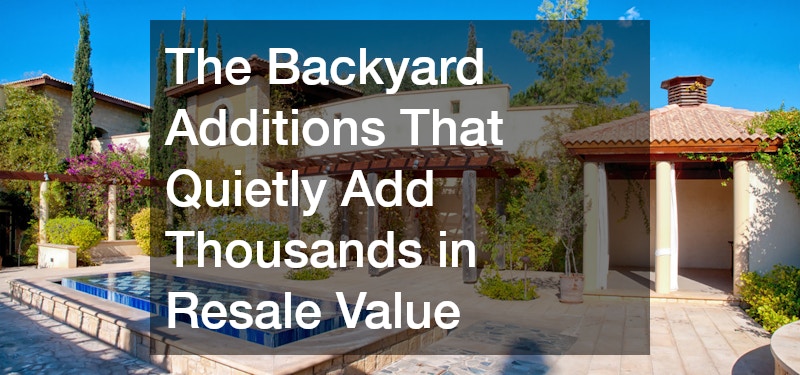
When it comes time to sell, buyers notice more than fresh paint and updated countertops. The outdoor spaces and hidden systems of a home often make the difference between a quick sale at asking price and a listing that lingers. Smart homeowners are learning that strategic backyard upgrades and overlooked mechanical fixes can quietly add thousands to a home’s value without requiring a full renovation budget.
This guide breaks down the specific additions and repairs that deliver the strongest return, so you can prioritize wisely before you list.
Patio and Walkway Upgrades That Buyers Notice First
A worn concrete slab or cracked walkway sends a subtle signal that a property has been neglected, even if the rest of the home is in great shape. Replacing that surface with quality pavers is one of the most cost-effective ways to transform curb appeal and outdoor living space at once. Pavers come in enough styles and colors to match nearly any home exterior, and they hold up better over time than poured concrete because individual units can be replaced without redoing the whole surface.
Beyond aesthetics, a well-installed paver patio creates a defined outdoor living area that appraisers and buyers alike recognize as functional square footage. This is especially true when the patio connects logically to a back door or kitchen, creating a natural indoor-outdoor flow that photographs beautifully for listings.
- Choose permeable pavers in areas with drainage concerns to avoid pooling water near the foundation
- Match paver color tones to existing siding or roofline for a cohesive look
- Budget for a professional base installation, since a poorly compacted base is the leading cause of paver shifting
- Consider a paver walkway from the driveway to the front door as a low-cost, high-visibility upgrade
Interior Flooring Choices That Influence Outdoor Value Perception

It might seem odd to discuss interior flooring in an article about backyard value, but buyers form impressions of a whole property, not just isolated rooms. When the transition from indoor flooring to an outdoor patio feels intentional and high-quality, the entire home reads as more valuable. A visit to a local flooring store to select durable, water-resistant materials for sunrooms, mudrooms, or three-season porches can reinforce the investment made in outdoor upgrades.
Consistency matters here. If the interior flooring near a backyard-facing room is dated or damaged, it can undercut the impact of an otherwise beautiful outdoor renovation. Buyers often mentally connect these transition spaces, so addressing both areas together tends to produce a stronger overall impression during showings.
- Ask a flooring store about moisture-resistant options for spaces near sliding glass doors
- Match flooring tones between indoor and outdoor living spaces where possible
- Prioritize durability in high-traffic transition zones like mudrooms and porches
Outdoor Kitchens and Living Spaces Built to Last
An outdoor kitchen or built-in seating area can be a strong value driver, but only when it is constructed properly and built to withstand the local climate. This is a project where hiring general contractors with experience in outdoor structures pays off, since they understand load-bearing requirements, proper drainage, and code compliance for permanent fixtures. A poorly built outdoor kitchen that cracks or shifts within a few years can actually hurt resale value instead of helping it.
Buyers are drawn to spaces that feel move-in ready rather than projects waiting to happen. A functional outdoor kitchen with a grill island, counter space, and seating signals that the home is designed for entertaining, which resonates strongly with buyers in warmer climates or those who prioritize lifestyle amenities.
- Confirm permits are pulled for any permanent outdoor structure before construction begins
- Ask about weatherproof materials rated for your specific climate zone
- Request references from general contractors for similar outdoor projects they have completed
Climate Control Additions for Three-Season Rooms
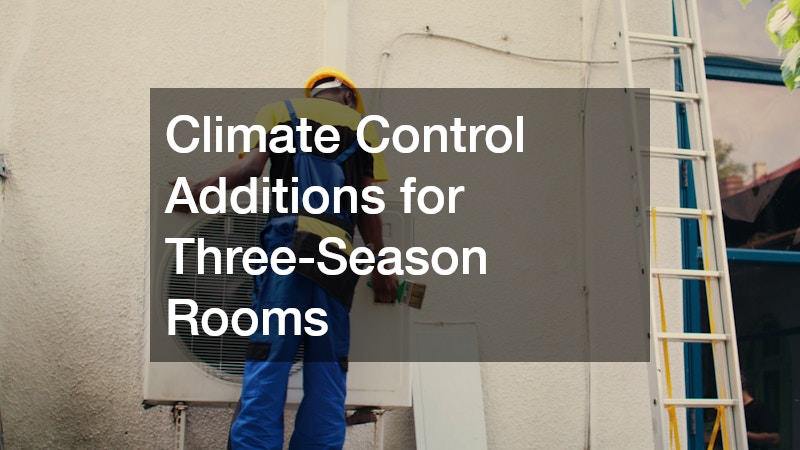
Converting a screened porch or three-season room into a usable space year-round can add meaningful value, but it typically requires extending climate control systems. Bringing in an HVAC contractor to assess whether ductwork can be extended, or whether a ductless mini-split makes more sense, is a critical early step. Skipping this evaluation often results in a room that looks finished but sits unused for half the year because it is too hot or too cold.
Buyers appreciate transparency about how additions were conditioned, since unpermitted or improperly sized HVAC extensions are a common red flag during inspections. A properly sized system, verified by a qualified professional, gives buyers confidence that the space was thoughtfully planned rather than added as an afterthought.
- Ask whether existing ductwork has capacity before extending it to a new room
- Consider a ductless mini-split for additions that are far from the main HVAC trunk line
- Keep documentation of any permits or inspections related to the climate control upgrade
Outdoor Fuel and Appliance Storage Considerations
Outdoor kitchens, fire pits, and pool heaters often run on propane, which means proper fuel storage becomes part of the overall project. Homeowners installing larger systems should look into propane storage tanks that are appropriately sized and positioned according to local safety codes. Buyers researching a home with a propane-fed outdoor kitchen or generator want assurance that the tank was installed correctly and is not a safety liability.
Placement matters as much as size. Propane storage tanks need clearance from structures, property lines, and ignition sources, and burying or screening them can improve both safety and curb appeal. A visible, poorly placed tank can actually detract from an otherwise attractive backyard, so factoring this into the design phase avoids costly relocation later.
- Check local setback requirements before finalizing tank placement
- Screen tanks with landscaping or fencing to maintain a clean visual line
- Keep maintenance and inspection records to reassure future buyers
Water Features and Irrigation Systems That Add Curb Appeal
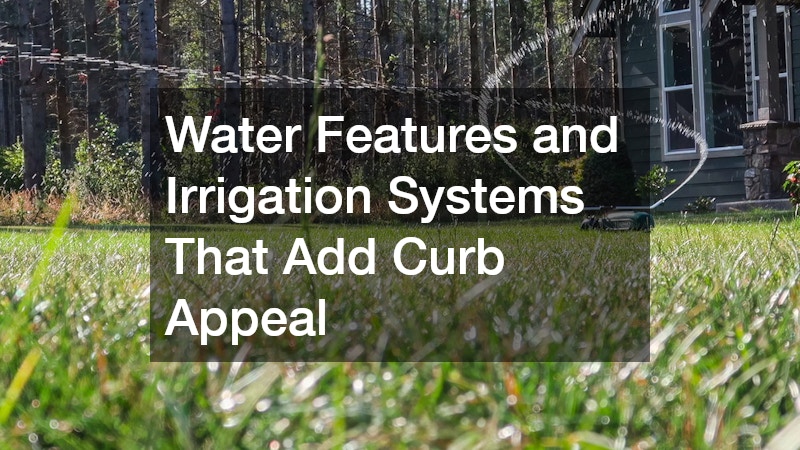
A well-designed irrigation system or small water feature can make a backyard feel finished and low-maintenance, which is a major selling point for buyers who don’t want to inherit a high-upkeep landscape. A simple drip irrigation zone or a smart sprinkler controller often costs a few hundred to a couple thousand dollars to install, yet buyers frequently perceive it as a much higher-value upgrade because it saves them the hassle of manual watering. Small features like a recirculating fountain or a compact pondless waterfall can add similar appeal without the maintenance burden of a full pond.
Because these systems tie into a home’s water supply, it is worth having licensed plumbers verify backflow prevention and confirm that any new lines meet local code. Backflow preventers keep irrigation water from siphoning back into the drinking water supply, and many municipalities require annual testing or a permit for installation. Plumbers can also advise on proper pipe depth to avoid freeze damage in colder climates, which is a common source of costly repairs.
Cutting corners on this step can lead to water damage or contamination issues that surface during a home inspection. Undetected leaks in buried irrigation lines can quietly erode foundations or saturate soil near the home, creating problems that are far more expensive to fix than the original installation. Getting the plumbing and permitting right upfront protects the investment and gives future buyers one less thing to worry about at closing.
Beyond function, water features add a sensory element that helps a backyard feel like a retreat rather than just an open lawn. The sound of moving water masks street noise and creates an immediate sense of calm, which is why realtors often point out a fountain during showings rather than letting buyers discover it on their own. Even a small, self-contained fountain in the $300 to $800 range can make a patio feel finished, while a modest pondless waterfall installed for $2,000 to $5,000 tends to read as a premium landscaping feature without the maintenance concerns of a full koi pond.
Buyers touring homes with a working fountain, pond, or properly zoned irrigation system often perceive the outdoor space as more valuable simply because it feels complete and cared for. A drip or sprinkler system with smart zoning, typically costing $1,500 to $4,000 depending on lot size, signals that the lawn and garden beds will stay healthy without constant manual watering, which matters a lot to buyers who aren’t looking to take on a new chore.
It’s worth noting that not every water feature adds value equally. Large koi ponds or elaborate multi-tiered fountains can actually raise red flags for buyers worried about upkeep, algae, or liability if they have small children, so scale and simplicity matter more than grandeur. A well-placed, low-maintenance feature paired with an efficient irrigation system generally outperforms anything that looks like it requires a part-time gardener to maintain.
- Ask licensed plumbers to confirm backflow preventers are installed correctly for any irrigation tie-in, since many municipalities require annual testing to stay code-compliant
- Zone irrigation systems separately for lawns, garden beds, and containers to conserve water and avoid overwatering drought-tolerant plants
- Add a smart controller with rain sensors to automatically skip watering cycles after storms, which can cut water bills by 20% or more
- Test water features seasonally to catch leaks before they cause bigger problems, especially before and after freezing temperatures
- Inspect pump components and skimmers each spring to prevent algae buildup and costly motor replacements
- Choose low-maintenance features like fountains or bubbling urns over large ponds if long-term upkeep is a concern for future buyers
Roof and Structural Additions Over Outdoor Spaces
Pergolas, covered patios, and attached sunroom roofs all tie into the home’s larger roofing system, and getting this connection wrong can cause leaks that are expensive to fix later. Bringing in roofing contractors to evaluate flashing and drainage where a new structure meets the existing roofline is a step many homeowners skip, often to their regret. Proper integration prevents water intrusion that can damage both the new addition and the original roof structure.
A covered outdoor space also extends usability into rainy or intensely sunny days, which buyers increasingly value as outdoor living becomes a bigger part of home life. Working with experienced roofing contractors during the design phase, rather than after problems appear, tends to save money and prevent disputes during a future home sale.
- Request a flashing and drainage review wherever a new roof structure meets the existing one
- Choose roofing materials that match or complement the main house for visual consistency
- Schedule a follow-up inspection after the first heavy rain to catch early leak signs
Exterior Siding and Trim Upgrades Around New Additions
Any backyard addition that touches the home’s exterior, such as an attached sunroom or extended patio cover, needs siding work that blends seamlessly with the existing structure. Reputable siding companies can match materials, colors, and textures so the addition looks original rather than tacked on. Mismatched siding is one of the fastest ways to make a renovation look like a budget shortcut rather than a genuine value-add.
Trim details around windows, doors, and rooflines also deserve attention, since these small touches are what give an addition a finished, professional appearance. Buyers may not consciously notice good trim work, but they absolutely notice its absence, so this is not an area to skip when budgeting for exterior updates.
- Bring a sample of existing siding when consulting with siding companies to ensure a close match
- Ask about warranty coverage on new siding sections tied into older exterior walls
- Prioritize trim and caulking details around new windows and doors for a polished finish
Window Performance Fixes That Protect Backyard Views
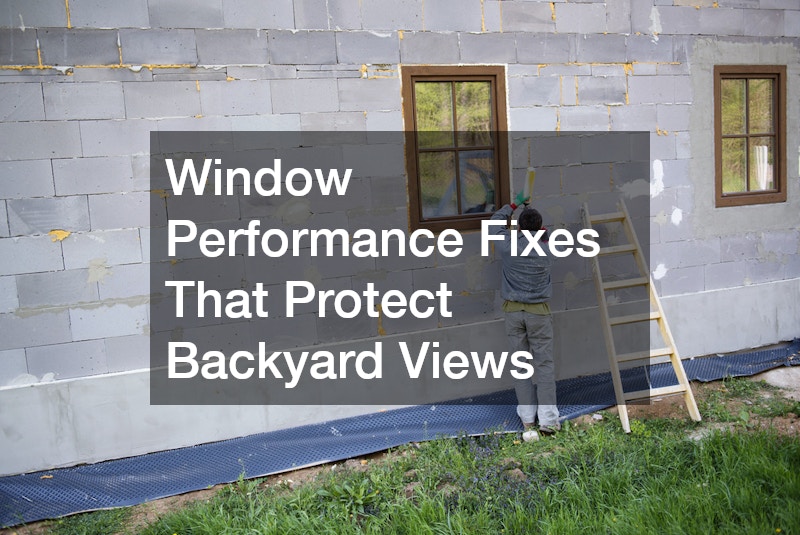
A backyard renovation loses much of its impact if it is viewed through foggy, drafty, or discolored windows from inside the home. Cloudy glass is usually a sign of failed window seal repair, since broken seals allow moisture to enter between panes and cannot be fixed with simple cleaning. Addressing this before listing a home ensures that new patios, gardens, or outdoor kitchens are showcased through clear, energy-efficient glass rather than distracting haze.
This fix also matters for energy efficiency scores, which increasingly factor into buyer decisions and appraisal conversations. A home with several windows needing failed window seal repair can look neglected even if every other upgrade has been completed, so it is worth a quick inspection of all windows facing the backyard before finalizing any renovation plan.
- Inspect windows for fogging or condensation between panes, a clear sign of seal failure
- Prioritize repairs on windows with the best backyard or garden views
- Bundle seal repairs with other window maintenance to save on service calls
Tree Health and Placement for Long-Term Yard Value
Mature trees can significantly boost curb appeal and provide shade that makes outdoor living spaces more comfortable, but only if they are healthy and properly placed. Hiring a tree company to assess disease, root intrusion near foundations, or branches overhanging a roof is a smart step before investing in patios or outdoor structures nearby. A large, unstable tree near a new addition can become a liability rather than an asset.
Thoughtful tree placement also affects how outdoor spaces feel throughout the year, offering summer shade while allowing winter sunlight through if deciduous species are chosen well. A consultation with a tree company before finalizing landscape design can prevent future conflicts between root systems and underground utility lines or drainage systems.
- Have trees near the foundation or driveway inspected for root damage risk
- Remove or trim branches overhanging roofs before storm season
- Plan new plantings with mature size in mind to avoid future conflicts with structures
Conclusion
The most valuable backyard improvements are rarely the flashiest ones; they are the additions and repairs that make a property feel complete, safe, and well cared for. Start by walking your own backyard with a critical eye, noting anything that looks unfinished, damaged, or outdated compared to the rest of the home. Prioritize the fixes that protect against bigger problems first, then layer in the upgrades that boost everyday enjoyment and buyer appeal. Taking this measured approach will help you invest wisely and see a stronger return when it comes time to sell.