
Rehabbing a classic traditional home is a unique endeavor that combines respect for historical architecture with the desire for modern comfort. These homes carry a sense of charm, character, and craftsmanship often missing in newer constructions, but restoring them requires careful planning and attention to detail. This guide provides a comprehensive approach to rehabbing a traditional home, addressing common questions and offering practical strategies for homeowners who want to preserve the past while updating for the future. Integrating modern systems like plumbing services, appliance repair service, and water well services can enhance functionality while keeping the home’s historic integrity intact.
What are the Initial Steps in Planning a Home Rehab?

Assessment of Home Condition
The first step in any home rehab is to conduct a thorough assessment of the property’s condition. This involves evaluating the structure, foundation, roofing, plumbing systems, and overall integrity of the home. Homeowners should also consider specialized inspections, such as oil tank testing and attic mold checks, to detect hidden hazards. Professionals like structural engineers, home inspectors, and mold remediation experts can provide detailed reports outlining necessary repairs and helping prioritize areas that need immediate attention. Ensuring the foundation is stable, possibly with foundation repair services, is critical before beginning cosmetic improvements.
Setting a Realistic Budget
Establishing a realistic budget is essential before beginning any rehab project. Traditional homes often come with hidden challenges, such as outdated electrical wiring, underground oil tank concerns, or plumbing issues that require specialized services. Homeowners should consider both essential repairs and desired upgrades when creating a budget. Allocating funds for unexpected issues like mold remediation or drain cleaning service ensures that the project can proceed smoothly without compromising quality or historical authenticity.
Obtaining Necessary Permits
Securing the appropriate permits is a critical step in the planning process. Local building codes often require permits for structural changes, plumbing updates, or electrical work. For historic homes, additional restrictions may protect architectural integrity. Consulting with local authorities or professional contractors familiar with historic regulations can help navigate these requirements. For instance, if an underground oil tank needs removal or testing, obtaining proper permits ensures compliance with environmental regulations.
Designing a Renovation Plan
A detailed renovation plan serves as a roadmap for the project. It should outline the scope of work, timelines, materials, and the sequence of tasks. The plan should also consider which elements of the home will be preserved and which can be updated. Incorporating modern amenities such as efficient plumbing systems, water well services, and appliance repair service schedules can enhance functionality while maintaining traditional aesthetics. Including expert input from mold remediation or animal removal specialists ensures that potential health hazards are addressed proactively.
Hiring a Professional Team
Selecting the right team of professionals is crucial for a successful rehab. This team may include architects, contractors, electricians, plumbers, and interior designers experienced with traditional homes. Additionally, specialized services like foundation repair services, drain cleaning service, or attic mold remediation may be required. A well-coordinated team ensures each phase of the project is executed efficiently, meets quality standards, and respects the home’s historical character.
How to Preserve the Original Architecture?
Identifying Key Architectural Features
Traditional homes often feature distinct architectural elements such as crown molding, wainscoting, decorative trim, and intricate staircases. Identifying these key features early allows homeowners to prioritize their preservation. Protecting and restoring these elements maintains the home’s historic charm and enhances overall value. Even while addressing modern necessities like plumbing services or appliance repair service, careful preservation ensures that updates do not compromise original design features.
Choosing Period-Appropriate Materials
Using materials that match the original construction is vital for authenticity. Restoring wood paneling with the same species of wood, selecting brick and mortar that replicates the original texture and color, and using period-appropriate tiles or hardware ensures repairs blend seamlessly. Period-appropriate materials support the home’s historic integrity while accommodating modern systems like water well services and drain cleaning service without detracting from the original style.
Restoring Windows and Doors
Windows and doors define much of a traditional home’s character. Repairing original frames, reglazing old glass, and choosing historically accurate replacements preserve authenticity. At the same time, homeowners can integrate modern improvements such as energy-efficient locks or discreet ventilation systems. Coordinating restoration with services like plumbing upgrades or mold remediation helps ensure that any hidden damage around windows and door frames is addressed.
Maintaining Historical Details
Elements like fireplace mantels, built-in cabinetry, and ceiling moldings contribute to the historical identity of a home. Restoring these features requires attention to detail and often specialized craftsmanship. Even as modern updates such as water well services or oil tank testing are performed, it’s essential to maintain these defining details, ensuring that the home retains its period charm while remaining functional.
Balancing Updates with Preservation
The challenge in rehabbing a traditional home is balancing modern convenience with historical preservation. Updating electrical wiring, plumbing, HVAC systems, or integrating smart home features should never overshadow the home’s original design. Using professional services such as foundation repair services, drain cleaning service, and attic mold remediation ensures modern systems are seamlessly integrated without compromising the home’s aesthetic.
What Modern Upgrades Can Be Integrated?
Upgrading Electrical Systems
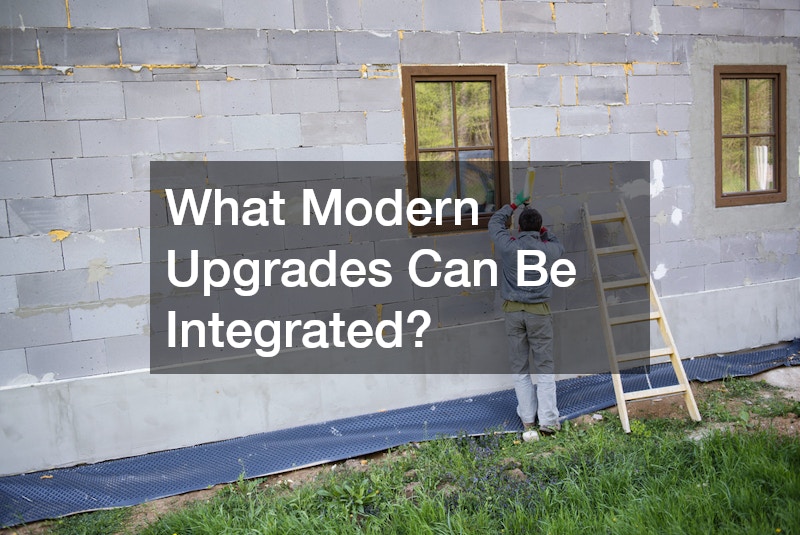
Modern electrical systems are critical for safety and efficiency. Rewiring older homes ensures compliance with current codes and supports the addition of contemporary appliances and smart home systems. Integrating these upgrades alongside plumbing services or appliance repair service makes the home both functional and safe for everyday use.
Installing Efficient HVAC
Heating and cooling systems in traditional homes are often outdated and inefficient. Upgrading to modern HVAC units improves comfort while reducing energy consumption. Proper installation should account for historical structures, ensuring that ductwork or ventilation does not damage walls or ceilings. Coordination with mold remediation and attic mold inspections is also beneficial to prevent moisture problems associated with HVAC installation.
Modernizing the Kitchen
The kitchen is often the centerpiece of a traditional home. Modernizing it with updated cabinetry, energy-efficient appliances, and contemporary countertops enhances usability while respecting the home’s style. Appliance repair service and plumbing services are critical here, ensuring that modern equipment functions reliably without compromising the home’s infrastructure.
Incorporating Smart Home Features
Smart home technology can be discreetly added to a traditional home. Automated lighting, security systems, and climate controls improve comfort and safety while being minimally intrusive. Integrating these technologies alongside foundational work or water well services ensures seamless functionality throughout the property.
Enhancing Safety and Security
Safety improvements, including upgraded locks, security systems, and smoke detection, are essential for any home. Addressing potential hazards like mold growth through mold remediation or managing animal removal can further protect residents and preserve the home’s condition.
How to Revitalize the Interior Design?
Selecting Appropriate Color Schemes
Traditional homes benefit from classic, muted color palettes that highlight architectural details. Earth tones, soft pastels, and period-inspired hues can complement woodwork, crown molding, and original flooring. Modern color choices can be combined carefully with functional updates like plumbing services and appliance repair service to maintain aesthetic harmony.
Restoring Original Flooring
Original hardwood or tile flooring adds historical authenticity. Sanding, refinishing, or repairing worn areas restores their beauty. While upgrading floors, ensuring that underlying issues like water leaks or attic mold are addressed protects the long-term integrity of the home.
Choosing Classic Furniture Pieces
Classic furniture pieces enhance the timeless charm of traditional interiors. Selecting period-appropriate seating, tables, and cabinetry strengthens the home’s historical identity while providing modern comfort. Coordinating design with practical upgrades like plumbing services or water well services ensures the home is both beautiful and functional.
Updating Window Treatments
Window treatments play a significant role in both aesthetics and practicality. Drapes, shutters, or blinds should reflect the home’s traditional style while offering modern functionality such as energy efficiency or privacy control. Upgrades like plumbing services or appliance repair service should be incorporated without obstructing these design elements.
Integrating Traditional Decor Elements
Decor elements such as artwork, rugs, and period-specific accessories complement the architectural features of traditional homes. Thoughtful placement ensures that updates like water well services or foundation repair services do not interfere with the interior design, maintaining a balance between style and functionality.
What are the Best Practices for Updating Bathrooms?
Preserving Original Tiles
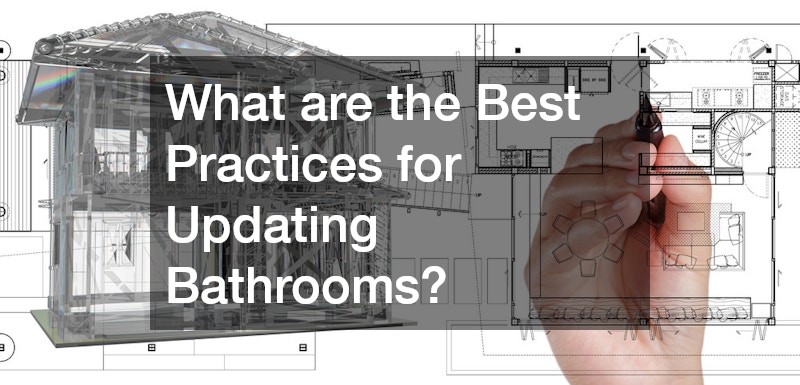
Original tiles are key features in many traditional bathrooms. Restoring rather than replacing them preserves the home’s character. At the same time, plumbing services can modernize the water supply and drainage systems without compromising tile integrity.
Updating Plumbing Fixtures
Modern plumbing fixtures improve efficiency and usability. Installing new faucets, showerheads, or toilets should be coordinated with plumbing services, drain cleaning service, and water well services to ensure optimal performance while maintaining a traditional appearance.
Maximizing Space in Small Bathrooms
Traditional homes often have smaller bathrooms. Clever layouts, built-in storage, and space-saving fixtures can enhance functionality. Integrating these updates alongside appliance repair service or plumbing services ensures that even compact spaces remain practical and efficient.
Ensuring Adequate Ventilation
Proper ventilation prevents moisture buildup, protecting against mold and mildew. Mold remediation and attic mold inspections can guide ventilation improvements, while maintaining the integrity of traditional elements like moldings or wood paneling.
Choosing Period-Appropriate Vanities
Selecting vanities that match the home’s period style reinforces authenticity. These can be paired with modern plumbing services, ensuring that the bathroom remains functional while staying true to its original aesthetic.
How to Address Structural Concerns?
Inspecting Foundation Integrity
The foundation is critical for any rehab. Foundation repair services can address cracks, settling, or other structural concerns to ensure long-term stability. Early intervention prevents minor issues from becoming costly problems.
Repairing Wall Cracks
Wall cracks are common in older homes. Assessing their causes, whether from settling, moisture, or structural issues, guides proper repairs. Coordinating with mold remediation or attic mold inspections can prevent hidden damage from compromising the home’s safety.
Reinforcing Roof and Ceilings
Roofs and ceilings must be structurally sound. Reinforcements or repairs should be conducted with attention to historical details. Professional inspections ensure that water damage, mold, or hidden leaks are addressed alongside upgrades such as plumbing services or water well services.
Updating Insulation
Older insulation is often inefficient. Updating with modern materials improves comfort and energy efficiency without altering historical aesthetics. Combining this work with mold remediation or attic mold management ensures a safe and healthy environment.
Managing Moisture and Mold Issues
Moisture can threaten the longevity of traditional homes. Mold remediation, attic mold inspection, and water management strategies prevent damage to woodwork, flooring, and walls. Early intervention ensures that foundational and cosmetic improvements last.
What Landscaping Improvements Can Be Made?
Restoring Traditional Gardens
Traditional gardens often include symmetrical layouts, classic plant choices, and period-appropriate ornamentation. Revitalizing these areas enhances curb appeal while maintaining historical charm.
Updating Walkways and Pathways
Walkways can be restored or rebuilt using historically consistent materials. Proper grading and drainage, possibly assisted by plumbing services, prevent erosion and water damage.
Enhancing Curb Appeal
Curb appeal is critical for traditional homes. Thoughtful plantings, preserved fences, and well-maintained facades improve aesthetics while functional upgrades like underground oil tank management or oil tank testing address safety concerns.
Adding Sustainable Features
Sustainable landscaping, such as rain gardens or drought-tolerant plants, can be incorporated without compromising historical integrity. Integrating water well services ensures efficient irrigation for gardens while preserving natural beauty.
Implementing Outdoor Lighting
Strategic outdoor lighting highlights architectural features and enhances security. Wiring can be coordinated with existing systems and foundation improvements to ensure safety and visual appeal.
How to Effectively Manage Budget and Costs?

Prioritizing Essential Renovations
Focusing on structural integrity, plumbing services, and foundation repair services first ensures the home remains safe and habitable. Cosmetic enhancements can follow without risking delays or overspending.
Finding Cost-Effective Solutions
Homeowners can balance quality and cost by sourcing materials carefully, scheduling plumbing or appliance repair service strategically, and consolidating specialized work such as oil tank testing or animal removal.
Tracking Progress and Expenses
Maintaining detailed records of repairs, services, and material costs helps avoid budget overruns. Documenting mold remediation, attic mold treatment, and plumbing services ensures clarity and accountability.
Setting Contingency Plans
Unexpected issues, including underground oil tank problems, mold, or animal infestations, can arise. Allocating a contingency fund ensures that these emergencies do not derail the renovation process.
Hiring Reliable Contractors
A skilled team experienced with traditional homes ensures that foundation repair services, drain cleaning service, plumbing services, and other specialized work are executed effectively. Reliability reduces delays and preserves the home’s value.
What are the Common Challenges in Home Rehab?
Dealing with Unexpected Issues
Traditional homes often conceal issues such as mold, plumbing failures, or damaged foundations. Early inspections, including oil tank testing, attic mold checks, and foundation repair services, help mitigate surprises and maintain project momentum.
Communicating with Contractors
Clear communication ensures that all team members understand project goals, timelines, and historical preservation priorities. Coordinating services such as animal removal, mold remediation, and plumbing services is essential to prevent conflicts or delays.
Maintaining Project Timeline
Scheduling repairs and upgrades strategically, including drain cleaning service, appliance repair service, and water well services, keeps the project on track while balancing historical restoration with modern needs.
Managing Historical Site Regulations
Historic properties may be subject to restrictions governing changes to exterior and interior features. Understanding and complying with these regulations is crucial when performing upgrades like plumbing services or foundation repair services.
Handling Material Shortages
Traditional homes may require period-specific materials that are harder to source. Planning ahead and coordinating with vendors ensures timely access to elements like tiles, wood, or hardware without delaying plumbing or mold remediation work.
How to Ensure Sustainability and Energy Efficiency?
Energy-Efficient Retrofitting
Integrating energy-efficient systems, such as HVAC, lighting, and plumbing upgrades, reduces long-term costs while maintaining historical integrity. Proper planning ensures these updates complement foundational repairs and structural improvements.
Sustainable Material Selection
Choosing materials that are durable, low-maintenance, and historically appropriate supports both sustainability and preservation. Combining these choices with water well services or appliance repair service integration ensures functional longevity.
Utilizing Renewable Energy Sources
Solar panels or geothermal systems can be added discreetly to enhance sustainability. Coordination with foundation repair services, plumbing services, and mold remediation ensures that energy installations do not compromise the home’s structural or historical integrity.
Implementing Water Conservation Techniques
Water-saving fixtures, rainwater harvesting, and efficient irrigation through water well services promote sustainability without disrupting traditional design elements.
Promoting Indoor Air Quality
Proper ventilation, mold remediation, and attic mold management maintain healthy indoor air. Addressing plumbing issues and potential leaks further ensures that moisture does not compromise the home’s condition or residents’ health.
Final Thoughts
Rehabbing a classic traditional home involves careful planning and execution, balancing preservation with modern updates to maintain historical charm while improving functionality. Integrating services such as foundation repair services, drain cleaning service, plumbing services, appliance repair service, water well services, oil tank testing, animal removal, mold remediation, attic mold treatment, and managing underground oil tank concerns ensures that the home remains safe, efficient, and beautiful for generations to come.