When summer temperatures climb, your backyard should feel like an escape, not a reason to retreat indoors. Creating a space that stays comfortable all season takes more than a few patio chairs and a string of lights. From shade and seating to pest control and climate, a truly livable outdoor retreat requires some planning across several home systems. This guide walks through the key pieces that make a backyard genuinely enjoyable from June through September.
Planning a Shaded Seating Area That Works With Your Home
The foundation of any backyard retreat is a comfortable place to sit that does not turn into a sauna by noon. Before buying furniture, walk your yard at different times of day to see where shade naturally falls and where the sun lingers longest. Many homeowners find that extending their outdoor living space with a raised platform gives them more flexibility for furniture placement and drainage than a simple patio slab.
A well-planned deck build can transform an awkward sloped yard into a level, functional gathering spot. Working with a designer or contractor who understands local soil conditions and drainage patterns helps avoid problems down the road, like standing water or uneven settling. Think about how the space will be used, whether for quiet mornings with coffee or larger gatherings, since that will shape the size and layout you choose.
Keeping Mosquitoes and Other Pests From Ruining Evenings Outside

Nothing ends a pleasant evening outdoors faster than being swarmed by bugs. Standing water, dense shrubs, and tall grass are prime breeding grounds, so regularly checking gutters, flower pots, and low spots in the yard for pooled water makes a real difference. Many homeowners also invest in professional mosquito removal services that apply treatments on a seasonal schedule, which tends to be more effective than store-bought sprays alone.
Beyond treatments, a few structural and habit changes can keep pest populations down throughout the summer.
- Trim back overgrown bushes and tall grass where mosquitoes rest during the day
- Add a fan to your seating area, since mosquitoes are weak fliers and avoid moving air
- Replace standing water in birdbaths or planters every few days
- Consider citronella plants or torches as a supplemental deterrent
- Schedule yard treatments before peak mosquito season begins in your region
Cooling Strategies for Covered Patios and Outdoor Rooms
If your backyard retreat includes a screened porch, sunroom, or covered patio attached to the house, keeping that space cool often means extending your home’s existing comfort systems outward. Ductless mini-split units are a popular choice for semi-enclosed outdoor rooms because they do not require extensive ductwork, can cool a space quickly, and let you control temperature independently from the rest of the house. A single-zone unit sized around 9,000 to 12,000 BTUs is typically enough for a porch or patio in the 200 to 400 square foot range, though actual sizing depends on insulation, sun exposure, and how enclosed the space is. Ceiling fans rated for outdoor or damp locations also help circulate air and make a covered space feel several degrees cooler than it actually is. Look for fans with sealed motors and moisture-resistant blades, since standard indoor fans will corrode quickly in humid or exposed conditions. Pairing a fan with a mini-split lets the unit run at a higher, more energy-efficient setting while the moving air still delivers that cooler “feels like” effect. For spaces that are only partially enclosed, portable evaporative coolers or misting fans can supplement a mini-split without the cost of a permanent install. These work especially well in drier climates, where the evaporative cooling effect is strongest, though they add humidity that can feel counterproductive in already-muggy regions. Whatever combination you choose, sealing gaps around screens and adding retractable shades or curtains helps trap the cooled air instead of losing it to the surrounding yard.
For homeowners considering a more permanent cooling solution, consulting with experienced air conditioning contractors before construction begins can save money later. A mini-split system, for example, typically needs about 20-30 BTUs per square foot for a shaded, well-insulated outdoor room, but open-air patios with significant sun exposure may require a larger unit to keep up. Getting this sizing right from the start prevents the common mistake of installing an undersized system that runs constantly and still can’t keep the space comfortable on hot afternoons. Beyond sizing, contractors can assess electrical requirements like whether the existing panel has enough capacity or if a dedicated circuit needs to be run to the patio. They can also flag code requirements for outdoor-rated equipment, disconnect switches, and weatherproof housings that homeowners might otherwise overlook. Addressing these details during the planning phase is far cheaper than retrofitting them after the concrete is poured and the roof structure is in place. Placement matters just as much as capacity. Contractors can help determine the best spot for condenser units to minimize noise near seating areas, ensure adequate airflow clearance, and keep ductwork or line sets hidden within walls or ceiling cavities rather than exposed. Planning this early, rather than as an afterthought, usually results in a cleaner installation and better long-term performance.
Upgrading Indoor Comfort That Supports Time Spent Outside
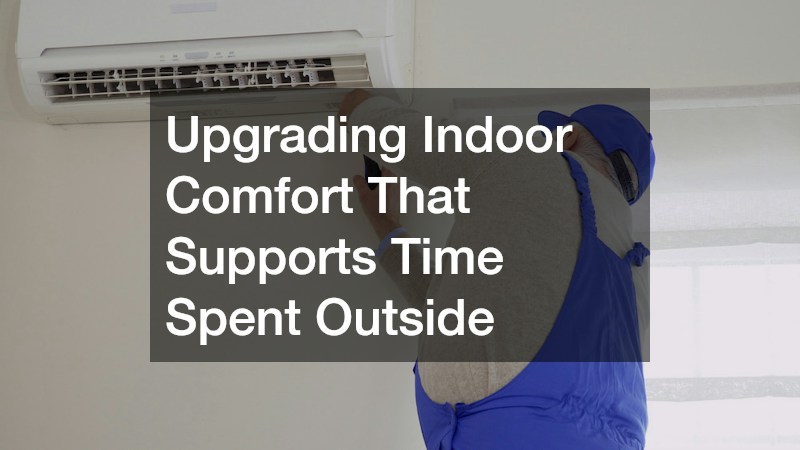
A backyard retreat does not exist in isolation from the rest of the house. If your indoor air conditioning struggles to keep up during heat waves, that strain often extends to any connected outdoor living spaces, patios with open doors, or three-season rooms. Scheduling a professional AC installation before peak summer arrives ensures your system has the capacity to handle both indoor demand and any additional square footage you are cooling.
Newer systems also tend to be quieter and more energy efficient, which matters if your outdoor seating area sits near the outdoor condenser unit. Nobody wants a loud compressor humming next to their favorite reading chair. Talking with a technician about placement options during installation can help balance performance with the peaceful atmosphere you are trying to create outside.
Maintaining the HVAC System That Keeps Everything Running
A backyard retreat that connects to indoor spaces depends heavily on a properly functioning HVAC system working behind the scenes. Dirty filters, low refrigerant, and neglected ductwork all force the system to work harder, which drives up energy bills and shortens equipment lifespan. Scheduling an annual tune-up with a qualified HVAC contractor before summer begins catches small issues before they become expensive repairs.
Routine maintenance also improves the humidity control inside your home, which matters more than people realize during hot, sticky months. Excess indoor humidity can seep into attached outdoor rooms and make them feel stuffy even with a fan running. A well-maintained system keeps conditions balanced throughout the house, which in turn keeps adjoining outdoor spaces more pleasant.
Protecting Your Home’s Exterior From Summer Heat and Storms
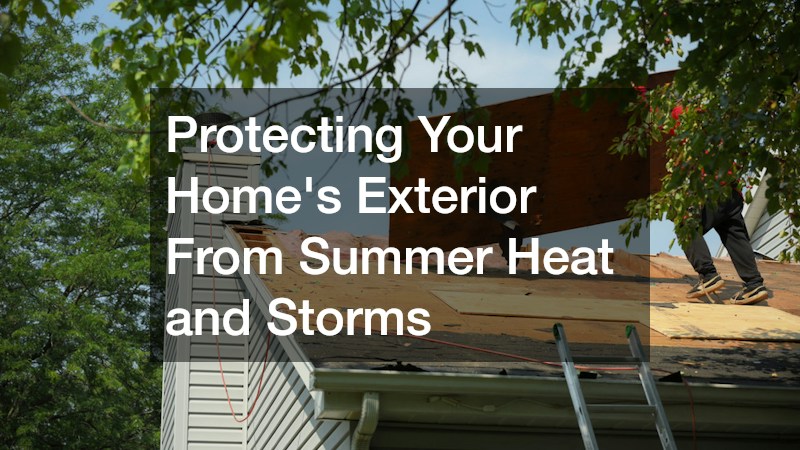
Summer is not just hot, it is also stormy in many parts of the country, and your roof takes the brunt of both. A roof in poor condition allows heat to radiate into the attic, which raises indoor temperatures and makes air conditioning work overtime. Reaching out to roofing companies for an inspection before summer storm season helps identify weak spots, like curling shingles or damaged flashing, before they turn into leaks.
Attic ventilation also plays a surprisingly large role in how comfortable your home and backyard feel. A poorly ventilated attic traps heat that eventually radiates down into living spaces and out toward porches or patios attached to the house. Improving airflow with ridge vents or additional insulation is a relatively small investment that pays off in lower cooling costs and a more comfortable home overall.
Choosing Materials That Hold Up to Sun and Weather
The materials used for your roof, deck, and outdoor surfaces directly affect how well your retreat withstands months of sun exposure. Dark asphalt shingles can reach surface temperatures of 150 to 170 degrees on a hot afternoon, while lighter-colored or reflective shingles can run 20 to 30 degrees cooler, noticeably easing the load on your attic and HVAC system. This is worth discussing with residential roofers if you’re planning a replacement around the same time as your backyard project, since they can point you toward cool-roof rated shingles, metal roofing, or reflective coatings suited to your climate. Decking choices matter just as much underfoot. Composite decking stays cooler than natural wood in some formulations but can still get uncomfortably hot in direct sun, so look for capped composites with lighter color tones or ask about heat-resistant product lines. Natural hardwoods like ipe or cedar tend to stay more temperate than composite, though they require more routine sealing and maintenance to resist warping and sun damage. For patios and walkways, light-colored concrete, natural stone, and porous pavers reflect more heat than dark pavers or stamped concrete with deep pigmentation. Permeable pavers also help with drainage during summer storms, reducing standing water and heat-trapping humidity near the house. Small choices like these, multiplied across an entire roof, deck, and patio, add up to a noticeably cooler backyard all season long.
The same logic applies to decking, walkways, and driveway surfaces near your outdoor space. Materials that stay cooler underfoot make a real difference when you are walking barefoot to the pool or garden in July. Dark asphalt and standard concrete can reach 140°F or higher on a sunny afternoon, while lighter-colored pavers and certain composite boards stay noticeably more tolerable. Composite decking, for instance, is engineered to resist warping and fading better than some traditional wood options, which keeps your retreat looking good through repeated summers of sun exposure. Look for boards with a capped polymer shell, which blocks moisture and UV rays more effectively than uncapped composites, and choose lighter color blends since darker composites can still absorb significant heat. For walkways and patios, natural stone like travertine or light-toned pavers offer a cooler, slip-resistant surface compared to poured concrete, and they are less prone to cracking as temperatures swing between hot days and cool nights. Permeable pavers add another benefit by allowing water to drain through rather than pool on the surface, which reduces both heat buildup and erosion over time. Whatever material you choose, check its manufacturer warranty for UV and fade resistance, since this is often a good indicator of how well it will perform after years of direct sun exposure.
Repaving Driveways and Walkways for Durability and Curb Appeal
While not technically part of the backyard itself, the condition of your driveway and front walkways affects the overall impression and function of your property during the busy summer entertaining season. Cracked or crumbling asphalt can become a tripping hazard and tends to worsen quickly once heat and moisture get into existing fissures. Hiring established asphalt companies for resurfacing or sealcoating before summer gatherings begin keeps these areas safe and attractive for guests arriving at your next backyard party.
Sealcoating every few years also extends the life of a driveway by protecting it from UV rays and oil stains, both of which are more common during hot, high-traffic summer months. A well-maintained entrance sets the tone before guests even reach your retreat out back. It is a smaller project compared to deck or roof work, but one that rounds out a home’s overall summer readiness.
Building a backyard retreat that stays comfortable all summer is really about looking at your property as a connected system, not a collection of separate projects. Shade, pest control, cooling, roofing, and surface materials all work together to shape how enjoyable your outdoor time actually feels. Start with a walk around your property to identify the weakest links, whether that is an aging roof, a mosquito problem, or a patio that never quite feels cool enough. Addressing even one or two of these areas this season will make a noticeable difference by the time summer heat peaks.