
Preparing a home for the real estate market brings a unique blend of excitement and anxiety. Homeowners frequently stand in their living rooms, staring at a list of potential repairs while eyeing their bank accounts. The core challenge is deciding where to invest limited capital to generate the highest financial return. Spending thousands of dollars on highly personalized cosmetic overhauls, such as bold accent walls or custom light fixtures, rarely yields a full return on investment. Buyers want a house that looks move-in ready, but they also want confidence that the property will not surprise them with hidden expenses after closing.
The most lucrative listings achieve a careful harmony between aesthetic appeal and structural health. A sparkling kitchen or a beautifully landscaped front yard will grab a buyer’s attention during an open house, but sound mechanical systems and documented routine maintenance close the transaction without price concessions. By balancing affordable do-it-yourself cosmetic updates with proactive infrastructural care, cost-conscious homeowners can boost their final sale price while shortening days on the market. Focusing on projects that combine visual warmth, high operational efficiency, and durability creates a compelling package that stands out in any real estate environment.
Key Mindsets for Budget-Minded Home Value Maximization:
- Prioritize projects that eliminate immediate red flags for home inspectors and mortgage lenders.
- Focus cosmetic spending on high-traffic areas like entryways, kitchens, and primary bathrooms.
- Balance hands-on labor with professional mechanical oversight to keep total upgrade costs predictable.
- Document every repair, update, and routine service call to present a transparent maintenance history.
Revitalize the Exterior for a Memorable First Impression

First impressions happen in seconds, making exterior curb appeal vital for a successful home sale. When prospective buyers park along the curb, their initial view sets the tone for the entire showing. Transforming the exterior does not require a massive renovation budget or specialized contracting skills. A weekend spent power-washing dirt from concrete driveways, laying fresh dark mulch in garden beds, and applying two coats of classic paint to the front door can immediately elevate the property. Trimming back overgrown tree branches and unkempt shrubs opens sightlines, allowing natural sunlight to flood through windows while highlighting the architectural charm of the house.
While aesthetic landscaping is essential, smart sellers also pay close attention to utility zones that sit along the side or rear of the dwelling. Exterior condenser units and ground-level utility boxes can easily become eyesores if left exposed amidst unkempt lawn space. Building a simple, slatted wooden privacy screen around outdoor mechanical equipment creates a clean look that elevates the overall layout. When constructing these enclosures, homeowners should consult local AC companies to verify proper airflow clearances around the perimeter, ensuring decorative screens do not restrict intake air or cause systems to overheat during summer months.
High-ROI Exterior Refresh Projects Under $200:
- Power-wash front walkways, porch steps, and driveway surfaces to remove dark oil stains and grime.
- Apply a fresh coat of weather-resistant exterior paint to the front door, trim, and garage molding.
- Install modern house numbers, a clean mailbox, and matching exterior light fixtures by the entryway.
- Spread a fresh two-inch layer of organic mulch across flower beds to suppress weeds and add contrast.
Beyond visual neatness, acoustic comfort plays a subtle yet powerful role in shaping how buyers perceive a property during open houses. An outdoor condenser unit that rattles, screeches, or hums loudly while running creates an impression of deferred maintenance and mechanical neglect. Buyers sitting on the back patio will instantly notice harsh mechanical noises and calculate potential replacement costs in their heads. Scheduling a minor AC repair to replace worn motor bearings or secure loose cabinet panels before listing the home eliminates unwanted noise, preserving a tranquil outdoor atmosphere and protecting your asking price.
Refresh the Interior for Maximum Buyer Impact
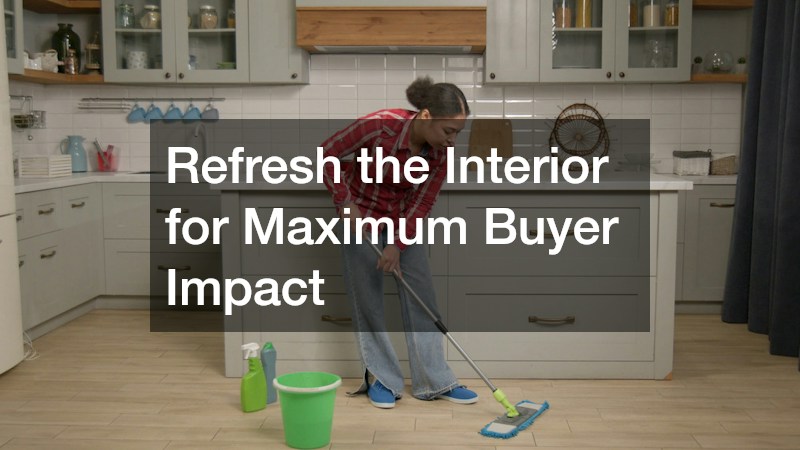
Interior upgrades yield high financial returns when focused on spaces where buyers spend the majority of their time. Kitchens and bathrooms serve as primary focal points for valuation, yet full structural overhauls rarely return 100 percent of their upfront costs at closing. Budget-conscious sellers can achieve dramatic transformations through strategic cosmetic refreshes that cost a fraction of a full remodel. Painting dark oak cabinets with a durable white enamel instantly modernizes a cooking space, making it feel open and bright. Replacing outdated brass knobs with modern matte black hardware, swapping pitted faucets, and applying fresh white grout along tile backsplashes creates a move-in-ready aesthetic without breaking the bank.
Underneath cosmetic surface finishes, underlying moisture management in bathrooms plays a critical role in preventing red flags during buyer inspections. Persistent dampness, peeling paint near shower ceilings, or faint mildew spots indicate inadequate ventilation that scares away buyers. Simple ceiling exhaust fans often fail over time due to clogged motors or improper duct routing into attic spaces. Hiring qualified HVAC contractors to inspect, clean, and properly vent bathroom exhaust lines through roof caps ensures excess humidity exits the building envelope, protecting drywall framing from rot and reassuring potential buyers.
Low-Cost Kitchen and Bath Transformation Checklist:
- Refine cabinet fronts with high-durability kitchen paint and modern, uniform cabinet handles.
- Replace dated plumbing fixtures with low-flow faucets featuring modern brushed nickel finishes.
- Scrape out discolored caulk along tubs and counters, replacing it with mold-resistant silicone.
- Update old yellowed light switches, outlet covers, and wall plates throughout high-traffic rooms.
Kitchen air quality forms another crucial sensory element during home showings, as trapped grease smells and old cooking odors linger in porous surfaces. A recirculating stove hood with a dirty charcoal filter simply pushes stale air around the kitchen rather than removing it. Upgrading to an exterior-vented range hood cleans the cooking environment and protects newly painted kitchen surfaces from sticky grease accumulation. Utilizing professional HVAC services to install rigid metal ductwork through an exterior wall guarantees maximum airflow capacity, keeping the cooking zone fresh during every buyer walkthrough.
Seal the Envelope for Major Utility Savings
Energy efficiency has transitioned from a minor selling feature to a non-negotiable priority for modern home buyers. High monthly utility bills directly reduce a buyer’s purchasing power, making energy-efficient homes significantly more attractive on the market. Simple DIY sealing projects deliver immediate returns by eliminating drafts and stabilizing interior temperatures across changing seasons. Adding blown-in fiberglass insulation to attic floors brings insulation levels up to modern standards, stopping heat from escaping through the roof deck. Caulking drafty window frames, installing foam gaskets behind outlet plates, and placing weatherstripping along door jambs prevents conditioned air from leaking outside.
While air sealing and attic insulation form the first line of defense, an aging cooling unit can rapidly negate those gains by consuming excessive electricity. Homeowners often struggle to decide whether to continue nursing a fifteen-year-old cooling system or replace it entirely before selling. When an older unit uses outdated refrigerant and struggles to maintain set thermostat temperatures during summer heat waves, continuing to pay for constant minor fixes becomes financially inefficient. Investing in a full AC replacement before listing the property eliminates buyer hesitation, lowers utility bills during showings, and allows sellers to command top dollar for a turnkey system.
Budget-Friendly Energy Efficiency Upgrades:
- Install a programmable or Wi-Fi smart thermostat to optimize temperature schedules automatically.
- Apply self-adhesive weatherstripping tape around exterior door frames to eliminate visible light gaps.
- Seal exposed joints in basement ductwork using specialized foil tape and mastic sealant.
- Wrap older water heaters in an insulating blanket to reduce standby heat losses throughout winter.
Once energy efficiency upgrades are complete, leveraging those improvements in marketing materials helps differentiate the property from competing neighborhood listings. Real estate agents can feature verified seasonal utility bills alongside official efficiency ratings in open house brochures. Highlighting a recently finished AC installation in public MLS listing remarks serves as a powerful selling point that attracts buyers seeking low maintenance costs. Buyers feel far more comfortable making full-price offers when they know they will not need to allocate emergency funds for major equipment replacement during their first few years of homeownership.
Overhaul the Infrastructure for Complete Buyer Confidence

Structural integrity and major mechanical systems represent the foundational value of any residential property. Beneath attractive paint colors and polished floorboards, buyers are fundamentally purchasing peace of mind. A home inspector’s report detailing neglected mechanical infrastructure can derail an escrow agreement faster than almost any cosmetic flaw. Proactively inspecting roof shingles, electrical panel connections, main drain plumbing lines, and climate systems allows sellers to identify vulnerabilities on their own timeline. Addressing these invisible elements before opening the house to public tours eliminates surprise deal-breakers and keeps the transaction moving forward smoothly.
Scheduling a professional pre-listing inspection for central cooling and heating components is one of the most strategic moves a seller can make. Bringing in a licensed air conditioning company to evaluate system operating pressures, test electrical amp draws, and clean dirty evaporator coils ensures cooling equipment operates at peak performance. Having a certified technician clear drain lines and inspect heat exchangers provides solid proof that the central system operates safely. Catching minor component wear early prevents embarrassing breakdowns during buyer walkthroughs and demonstrates responsible home management.
Essential Pre-Listing Mechanical System Checklist:
- Inspect electrical breaker panels for loose connections, double-tapped breakers, or scorched wiring.
- Flush water heater tanks to remove sediment buildup and check temperature pressure relief valves.
- Inspect visible plumbing supply lines under sinks and behind toilets for slow pinhole leaks.
- Clean debris, leaves, and dirt away from outdoor mechanical cabinets to maintain air intake.
Being proactive about mechanical fixes preserves seller negotiation power during contract negotiations. When a home inspector flags minor system defects, buyers often request thousands of dollars in closing cost credits or demand inflated repair escrows. Addressing minor mechanical issues with a timely HVAC repair prior to placing the house on the market keeps repair costs under control and removes potential buyer leverage. Sellers who present a home free of mechanical defects maintain control over negotiations, preventing buyers from demanding steep price discounts during the contingency period.
Organize the Records for Easy Due Diligence
Creating a tangible, organized physical record of property care provides powerful proof of a home’s underlying condition. A well-organized Home History Binder placed on the kitchen island during open house events instantly signals that the seller took pride in property maintenance. Compiling appliance instruction manuals, roof replacement receipts, paint color formulas, and architectural permit documentation transforms vague verbal claims into verifiable facts. Prospective buyers flipping through a neat binder feel immediate reassurance, knowing they are making an offer on a property that was cared for systematically over many years.
Detailed records for heating and cooling equipment carry substantial weight during buyer due diligence, as climate control represents one of the most expensive systems to replace. Including multi-year documentation for routine air conditioning service proves that compressor components, electrical relays, and blower motors received continuous professional attention. Showing a clear paper trail of seasonal filter changes, coil cleanings, and drain line flushes reassures buyers that equipment will operate reliably for years to come. This level of documentation reduces buyer anxiety and justifies a firm asking price.
Key Documents to Include in Your Home History Binder:
- Appliance user manuals, registration cards, and remaining transferrable warranty documents.
- Invoices for major home updates, such as roof replacements, window installs, and insulation work.
- Annual service records for central heating, cooling, plumbing, and electrical systems.
- A complete master list of interior paint colors, stain finishes, and matching hardware model numbers.
Highlighting invoices from certified, insured local service providers reinforces the narrative that all work was performed to code. Presenting service receipts from established HVAC companies demonstrates that major equipment received proper technical care rather than unverified DIY fixes. Buyers and their real estate agents appreciate knowing that qualified technicians performed regular system checks and safety inspections. This organized documentation streamlines the escrow process, minimizes appraisal friction, and gives buyers total confidence in their investment.
Secure the Best Dividends at the Closing Table
Successfully maximizing home value before going to market does not require an unlimited budget or extensive remodeling experience. The key lies in strategic resource allocation, balancing visual curb appeal with sound mechanical infrastructure and verified energy efficiency. By combining affordable hands-on cosmetic upgrades with targeted professional maintenance, cost-conscious homeowners can position their property at the top of the local market. Each weekend project, from fresh paint and clean landscaping to organized home history binders, builds layer upon layer of buyer interest and financial value.
Taking the time to prepare your home systematically transforms what could be a stressful sales process into a highly rewarding financial achievement. Your personal effort and thoughtful preparation directly safeguard your equity, allowing you to negotiate from a position of strength when offers arrive. Homes that showcase modern efficiency, functional mechanicals, and pristine presentation consistently sell faster and closer to asking price. As you complete your pre-listing checklist, remember that every smart maintenance decision you make today will pay generous dividends at the closing table.