A backyard filled with mismatched furniture and cracked concrete rarely gets used, no matter how much potential the space has. Hardscape features like patios, walkways, retaining walls, and outdoor kitchens give your yard structure, making it feel like an extension of your home rather than an afterthought. Planning these projects thoughtfully means fewer costly mistakes and a backyard that actually gets used year-round. This guide walks through the major hardscape elements worth considering, along with the practical details that often get overlooked until it’s too late.
Choosing the Right Patio Foundation and Materials
 The patio is usually the anchor of any backyard renovation, and getting the base right matters more than the surface material you choose on top. A properly compacted gravel base with adequate drainage slope prevents the heaving and shifting that ruins even the most beautiful pavers within a few seasons. Skipping this step to save money upfront almost always costs more in repairs down the line.
When it comes to selecting hardscape materials for the surface itself, homeowners have more options than ever, each with different price points and maintenance needs. Natural stone offers a timeless look but comes at a premium, while concrete pavers deliver similar aesthetics at a more accessible cost. Many tile stores now carry outdoor-rated porcelain and stone tile lines specifically designed for patios, giving homeowners another durable option to compare alongside traditional pavers. Whatever you choose, make sure it’s rated for your climate, since freeze-thaw cycles can crack materials that aren’t suited for cold winters.
- Poured concrete: budget-friendly, versatile, but prone to cracking over time
- Natural flagstone: durable and attractive, higher cost and installation labor
- Interlocking pavers: easy to repair individually, wide style range
- Brick: classic look, moderate cost, can shift without proper edging
Building Retaining Walls That Actually Hold Up
Retaining walls do more than look nice tucked into a sloped yard; they manage soil erosion and create usable flat space where none existed before. Beyond the visual appeal, they solve real problems: preventing a slope from washing out during heavy rain, protecting a foundation from shifting soil, or carving a level patio and garden bed into an otherwise unusable hillside. A wall taller than about four feet typically needs engineering review and possibly a permit, since the pressure behind it increases dramatically with height. This isn’t just bureaucratic caution — soil is heavy, and when it’s saturated with water, the lateral force pushing against a wall can multiply several times over. Even walls under four feet benefit from a base footing extending 8-12 inches into undisturbed soil, and any wall retaining a slope steeper than 2:1 should get a professional opinion regardless of height. Proper drainage behind the wall, usually gravel backfill with a perforated pipe, is what separates a wall that lasts decades from one that bulges and fails within a few years. A typical setup uses at least 12 inches of clean crushed gravel (avoid anything with fines that can clog the space) directly behind the wall, with a perforated pipe wrapped in landscape fabric running along the base to daylight or a dry well. Weep holes every few feet near the bottom of the wall face give trapped water a secondary escape route if the pipe ever backs up. Material choice matters almost as much as engineering. Segmental concrete blocks are forgiving for DIY builds and interlock without mortar, natural stone offers a custom look but demands more skilled labor, and poured concrete or reinforced masonry suits taller, load-bearing applications where long-term strength is non-negotiable. Whatever the material, batching the wall back slightly — leaning it a few degrees into the slope — adds significant resistance against the soil pressure it’s built to hold.
Material choice affects both appearance and longevity, so it helps to think about how the wall fits the rest of your landscaping before you settle on one option. Any wall over 3 to 4 feet tall typically needs engineering review and a permit in most municipalities, since the soil pressure behind it becomes significant enough to cause real failure if the design is off. Segmental block systems are popular because they’re relatively easy to install and come in many finishes that mimic natural stone, brick, or weathered limestone. These interlocking concrete units typically run $10 to $25 per square foot installed, and their built-in lips or pins keep courses aligned without mortar. They’re a solid choice for DIYers tackling walls under 3 feet, since the tolerance for minor error is more forgiving than with dry-stacked stone. Boulders and natural stone walls take more skill to build correctly but offer a rustic look that pairs well with garden beds and native plantings. Fitting irregular stones so they lock together without gaps requires patience and often a small excavator for anything larger than landscaping boulders. Expect to pay $25 to $40 per square foot for professionally built stone walls, given the labor-intensive nature of sourcing and placing each piece. Whichever material you choose, proper base preparation and drainage matter more than the facing material itself. A compacted gravel base of 6 to 8 inches and a perforated drain pipe behind the wall prevent the hydrostatic pressure that causes most retaining wall failures within the first few years.
Laying Out Walkways That Connect Outdoor Living Areas
Walkways guide movement through the yard and prevent worn dirt paths from forming across the lawn. Width matters more than people expect; a path meant for two people to walk side by side should be at least four feet wide, while a simple garden path can be narrower. Curved paths tend to feel more natural in casual landscapes, while straight lines suit more formal, symmetrical yard designs.
The base preparation for walkways mirrors that of patios, though the traffic load is generally lighter. Stepping stones set in gravel or mulch offer a low-cost, low-maintenance option for less-trafficked areas like side yards. For high-traffic paths connecting the house to a garage or garden shed, a more substantial paver or poured concrete surface will hold up better against daily wear.
Designing an Outdoor Kitchen for Real Use
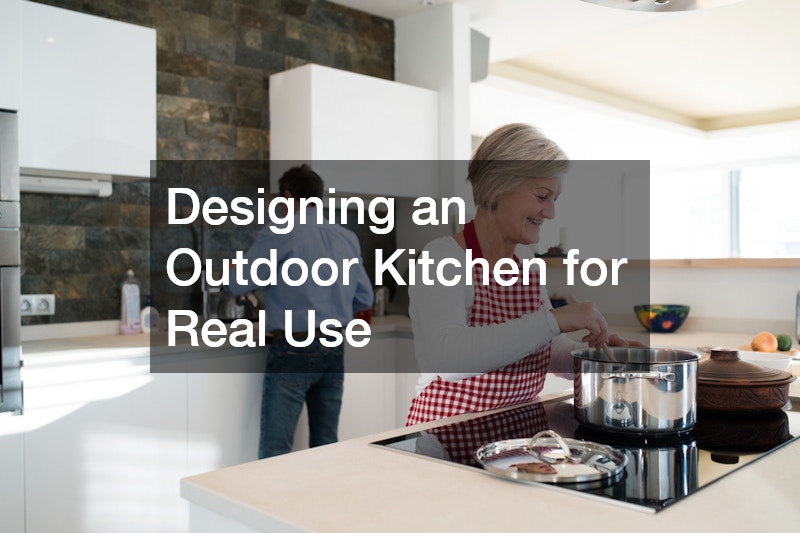
An outdoor kitchen extends the functionality of a backyard well beyond simple grilling, but it requires more planning than most homeowners initially expect. Gas lines, electrical runs, and water access all need to be routed before any countertops or cabinetry go in, so this is not a project to tackle without mapping out utilities first. Many homeowners find it helpful to think of an outdoor kitchen as a smaller-scale version of an indoor kitchen remodel, since similar decisions around layout, workflow, and storage apply.
Material selection for outdoor countertops differs from indoor kitchens because the surfaces face direct sun, rain, and temperature swings. Granite and other natural stones hold up well outdoors, while some engineered materials can discolor or warp under prolonged UV exposure. It’s worth visiting a few showrooms in person to see how different finishes look in natural light before committing to a slab.
- Granite: heat resistant, durable, natural variation in pattern
- Concrete: customizable shape and color, needs periodic sealing
- Tile: budget-friendly, grout lines require more maintenance outdoors
- Stainless steel: modern look, resists staining but shows scratches
Adding Fire Features and Seating Areas
A fire pit or fireplace often becomes the social center of a backyard, extending usable time outdoors well into cooler months. Local codes frequently dictate clearance distances from structures, fences, and overhanging trees, so it’s worth checking regulations before pouring a foundation for a built-in feature. Portable fire pits offer flexibility for renters or homeowners not ready to commit to permanent hardscape.
Seating placement around a fire feature affects how comfortable and social the space feels. A rule of thumb is to keep seating between seven and twelve feet from the fire’s edge, close enough for warmth without excessive heat exposure. Built-in stone or block seating walls double as both functional seating and a design element that ties the fire feature into the surrounding hardscape.
Installing Fencing for Privacy and Property Boundaries
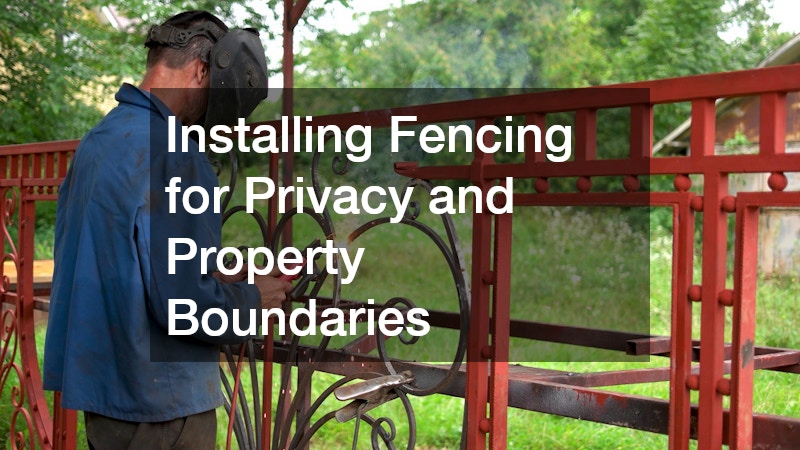
Fencing serves multiple purposes in a backyard hardscape plan, from marking property lines to creating privacy and containing pets. Before starting any installation, it’s worth having a survey done to confirm exact property boundaries, since disputes over a few inches can become expensive legal headaches later. Many homeowners get quotes from a few different fence companies to compare not just price but also material options and warranty terms.
Material choice affects both maintenance and lifespan, and it should complement the overall style and color palette of the yard’s design. Wood offers a classic look but requires periodic staining or sealing to resist rot and warping. Vinyl and aluminum fencing require less upkeep and hold up well against moisture, making them worth considering for yards with heavy rainfall or humidity.
- Wood: traditional appearance, moderate lifespan, needs regular maintenance
- Vinyl: low maintenance, resists moisture, higher upfront cost
- Aluminum: durable and low-maintenance, less privacy unless paneled
- Chain link: budget-friendly, minimal privacy, long lifespan
Planning Utility and Infrastructure Needs Before Digging
Before any excavation begins for a patio, retaining wall, or outdoor kitchen, it’s essential to know what’s running beneath your yard. Calling for a utility locate service is standard practice, but homeowners with older properties should also think about septic system installation history, since digging near a septic field can cause expensive damage. If your property relies on a septic system, mapping out the tank and leach field location should happen before any hardscape design is finalized.
Backyard projects sometimes reveal the need for other infrastructure upgrades that aren’t directly related to hardscaping but affect the overall plan. Homeowners adding an outdoor kitchen or extensive lighting may find their electrical panel needs additional capacity, sometimes prompting a look at whether a generator installer should be brought in to ensure backup power for both indoor and outdoor systems. Thinking through these utility questions early prevents having to tear up freshly installed pavers or walls later.
Coordinating Backyard Work With Other Home Projects
Backyard hardscaping rarely happens in isolation, and it often makes sense to coordinate timing with other home improvement projects. If your roofer is already scheduled to replace shingles or repair flashing, it might be worth scheduling exterior hardscape work around the same construction window to minimize disruption from equipment and material deliveries. Similarly, homeowners tackling attic or wall insulation upgrades sometimes find it efficient to bring in blown in insulation companies during the same season as outdoor renovations, since both projects benefit from dry weather and easier contractor scheduling.
Thinking holistically about home projects also helps with budgeting, since contractors are sometimes more flexible on pricing when multiple jobs are bundled or scheduled back to back. It’s worth having a broader conversation about your home’s overall improvement timeline before locking in a start date for backyard work. This approach also reduces the number of times your yard gets disrupted by heavy equipment and material staging.
Maintaining Hardscape Features for Long-Term Durability
Even well-installed hardscaping requires periodic maintenance to stay looking sharp and functioning properly. Sealing pavers and natural stone every few years protects against staining and moisture penetration, particularly in areas with freeze-thaw cycles. Weeds pushing through joints between pavers are common and usually indicate it’s time to refresh the polymeric sand or jointing compound.
It’s also worth remembering that outdoor kitchen appliances face harsher conditions than their indoor counterparts, so a good relationship with appliance repair services can save a grill or outdoor refrigerator from premature replacement. Regular cleaning of grates, burners, and vents extends appliance life significantly. Covering appliances during winter months or heavy weather also reduces wear and prevents rust from forming on exposed metal components.
A well-planned backyard hardscape project transforms an underused yard into a functional extension of your home, but success depends on thoughtful planning around materials, drainage, utilities, and long-term maintenance. Start by identifying which features matter most to your lifestyle, whether that’s an outdoor kitchen for entertaining or a simple patio for quiet evenings. Getting multiple quotes, checking local codes, and coordinating timing with other home projects will save both money and headaches. With the right groundwork in place, your backyard can become one of the most valuable and enjoyable spaces on your property.