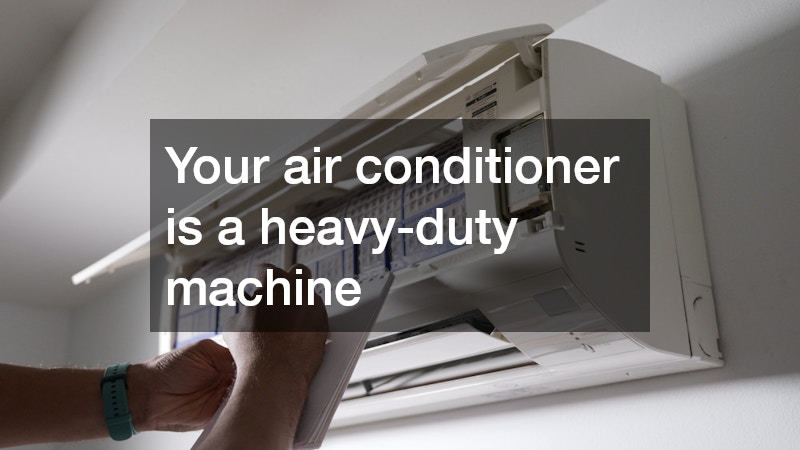
As the calendar turns toward the mid-summer months, the mercury begins a steady climb that tests both human endurance and mechanical reliability. Your air conditioning system is the only thing standing between a comfortable, productive home environment and a sweltering, humid living space. However, many homeowners treat their cooling systems with a “set it and forget it” mentality, only realizing something is wrong when the vents begin blowing lukewarm air during a record-breaking heatwave.
Preparing your AC for the peak of summer is about more than just avoiding a breakdown; it is about maximizing efficiency, reducing energy costs, and extending the lifespan of your equipment. A system that is strained by dirt, debris, or mechanical wear will work twice as hard to achieve the same cooling effect, leading to spiked utility bills and premature component failure.
By taking a proactive approach to maintenance now, you can ensure your home remains a cool sanctuary throughout the most punishing weeks of the year.
Airflow and Filtration: The Lungs of Your System
The most critical factor in AC performance is unrestricted airflow. Your air conditioner works by pulling warm air from your home, stripping it of heat and moisture via the evaporator coil, and redistributing the cooled air through your ductwork. If this cycle is interrupted by a physical blockage, the system’s efficiency plummets. The primary culprit in most airflow issues is a neglected air filter. Over time, filters trap dust, pet dander, and pollen, eventually becoming so clogged that the blower motor must work overtime to pull air through the mesh.
Before the peak heat arrives, check your filter. If you have pets or live in a dusty area, you may need to replace it every 30 days during the summer. Beyond the filter, you should inspect your return vents and supply registers throughout the house. Ensure that furniture, curtains, or rugs do not obstruct these openings. Even a partially blocked vent can cause pressure imbalances in the system, leading to “hot spots” in certain rooms and unnecessary strain on the compressor.
Furthermore, do not overlook the outdoor condenser unit. This large metal box is responsible for releasing the heat collected from inside your home into the outside air. If the unit is crowded by overgrown shrubs, weeds, or piles of mulch, the heat cannot dissipate effectively. Aim for at least two feet of clear space around the entire perimeter of the outdoor unit. Using a garden hose on a gentle setting to wash away grass clippings and dirt from the exterior fins can also significantly improve the unit’s ability to “breathe,” allowing it to shed heat more efficiently.
The Vital Role of Calibration and Professional Oversight
While basic cleaning is a task many homeowners can handle, the internal mechanics of a cooling system are complex and require a specialized eye. As summer temperatures rise, the pressure within the refrigerant lines increases, and the electrical components are pushed to their thermal limits. This is why the most reliable way to avoid a mid-summer crisis is to schedule a preventative maintenance visit with a local AC company before the season reaches its zenith.
A professional technician will perform a comprehensive diagnostic check. This includes measuring refrigerant levels, as even a small leak can cause the evaporator coil to freeze over, effectively shutting down the cooling process. They also inspect electrical connections for signs of pitting or fraying, which are common precursors to a system that refuses to kick on during a hot afternoon.
Perhaps most importantly, a professional will calibrate your thermostat and check the condensate drain line. During high-humidity days, your AC removes gallons of water from the air. If the drain line is clogged with algae or debris, that water can back up into your home, causing water damage or triggering a safety switch that disables the system. Having a technician clear these lines and verify that the thermostat is accurately communicating with the unit ensures that you aren’t paying for cooling that isn’t actually being delivered.
Strategic Cooling and Demand Management
Once your hardware is optimized, the final step in summer preparation is managing how you use the system. Even the most well-maintained AC will struggle if the home itself is working against it. You can significantly reduce the “load” on your air conditioner by addressing heat gain from external sources. Keeping blinds and curtains closed during the hottest parts of the day can prevent the “greenhouse effect” from raising indoor temperatures by several degrees.
Using a programmable or smart thermostat is another essential strategy for peak summer performance. Many people make the mistake of turning their AC off entirely while they are at work, only to crank it down to 68 degrees when they return. This forces the system to run at maximum capacity for hours to overcome the accumulated heat in the walls and furniture. A more efficient approach is to set the thermostat four to five degrees higher while you are away, so the system only has to perform a “maintenance” cooling rather than a total recovery.
Additionally, consider the heat produced inside your home. Using the oven, stovetop, or clothes dryer during the peak afternoon heat adds a significant thermal load that your AC must then fight to remove. Shifting these activities to the early morning or late evening hours can keep the indoor temperature more stable. When you combine a well-maintained machine with smart usage habits, you create a sustainable cooling plan that protects both your comfort and your wallet, no matter how high the temperature climbs.
A thriving summer experience depends on a proactive mindset. By ensuring clean airflow, seeking professional expertise from an AC company, and managing your home’s heat load, you turn a potential seasonal stressor into a managed utility. Your air conditioner is a heavy-duty machine; treat it with the care it requires, and it will return the favor by keeping you cool when the sun is at its most relentless.