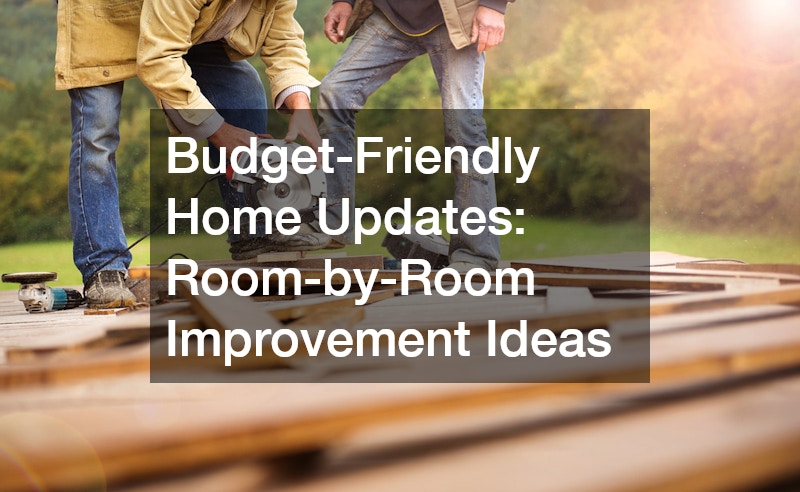
Transforming your home doesn’t have to involve a full-scale renovation or a massive investment. With thoughtful planning and a room-by-room approach, homeowners can make meaningful improvements that enhance both style and functionality. Strategic updates—such as refreshing cabinets, updating fixtures, improving lighting, or optimizing storage—can breathe new life into your living spaces without straining your budget. By prioritizing projects based on impact and feasibility, you can focus your time and resources where they make the most difference, creating a home that feels modern, comfortable, and tailored to your lifestyle.
Whether you’re preparing to sell, settling into a new home, or simply ready for a change, a methodical approach ensures that every improvement adds real value. Even small, deliberate updates—like painting a room, rearranging furniture, or tackling simple DIY repairs—can have a noticeable impact on both appearance and functionality. When combined with regular maintenance and occasional professional assistance, these efforts not only improve daily living but also protect your investment over time. In this guide, we’ll cover actionable, budget-friendly updates for every major area of the home—from kitchens and bathrooms to bedrooms, living areas, basements, and outdoor spaces—offering practical strategies to make your home more inviting, efficient, and enjoyable for years to come.
Kitchen Updates That Won’t Break the Bank
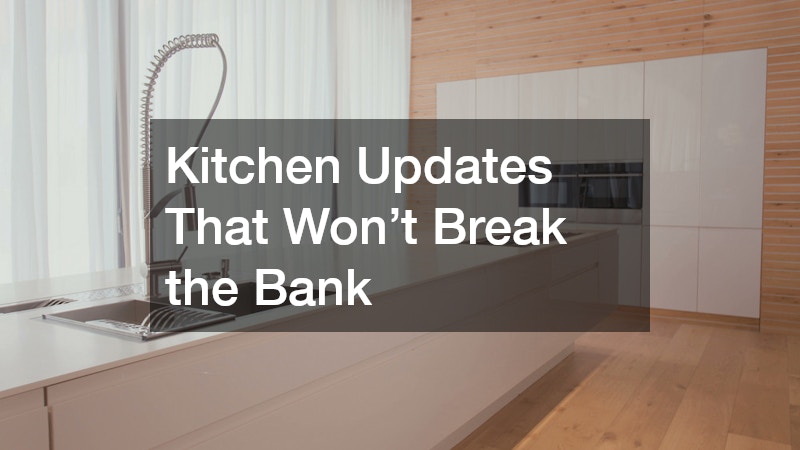
Refreshing your kitchen doesn’t require a full remodel. One of the most cost-effective ways to improve the space is by updating cabinetry. Painting existing cabinets gives them a brand-new look, and modernizing hardware like handles and knobs instantly adds style. You can also install under-cabinet lighting for better task illumination and a contemporary feel. For homeowners who want professional results without a full replacement, cabinet services can handle refinishing and painting efficiently, creating a polished, long-lasting update.
Minor plumbing repairs can also make a huge difference in kitchen functionality. Fixing leaky faucets, unclogging slow drains, or replacing outdated fixtures improves both performance and appearance. These tasks are often manageable for DIY enthusiasts with basic tools and guidance from online tutorials. Updating your sink with durable stainless steel or composite granite can elevate the kitchen’s aesthetic while enhancing practicality for daily use. Even simple additions, like a soap dispenser or a filtered water tap, can make the space feel thoughtful and modern.
Budget-Friendly Kitchen Tips:
- Paint or refinish cabinets instead of replacing them
- Install pull-out shelves or organizers for better storage
- Update hardware for a modern, cohesive look
- Add under-cabinet lighting for better visibility
- Plumbing repairs for leaks and unclogging drains to maintain function
- Refresh countertops with peel-and-stick tiles or refinishing kits
Bathroom Updates That Make a Difference
Even minor bathroom improvements can make a significant difference in both appearance and function. Painting walls with moisture-resistant or mildew-inhibiting paint protects surfaces while giving the room a fresh, updated look. Coordinating new towels, bath mats, and shower curtains adds a sense of cohesion and style, instantly lifting the space. Re-grouting and sealing tiles not only restores a clean, polished appearance but also prevents water from seeping into walls and floors, extending the life of your surfaces. Replacing worn caulking around tubs, sinks, and showers is another small step that prevents water damage and keeps the bathroom looking well-maintained. Additional decorative touches, such as framed mirrors, stylish soap dispensers, or compact storage containers, can enhance both the aesthetic and practical elements of the room, making it feel more organized and inviting without a large investment.
Many common bathroom problems are surprisingly manageable with DIY repairs, saving both time and money. Fixing a dripping faucet, addressing a running toilet, or unclogging a slow drain can often be completed with basic tools and a little guidance. Essential tools such as a basin wrench, plumber’s tape, a drain snake, and a few replacement parts like washers or cartridges equip most homeowners to handle these minor issues confidently. Learning to perform these small repairs not only reduces reliance on professional services but also builds practical skills and confidence for tackling future maintenance challenges. Even small fixes, when addressed promptly, prevent larger problems down the road, protecting your bathroom’s functionality and prolonging the life of fixtures and plumbing systems.
Budget-Friendly Bathroom Tips:
- Use moisture-resistant paint on walls
- Replace outdated showerheads and faucets
- Re-grout or re-caulk to refresh tile surfaces
- Add shelving or storage cabinets for organization
- Swap towels, mats, and accessories for a cohesive look
- Keep basic plumbing tools on hand for small repairs
Living Room Updates for Comfort and Style

Creating a cozy focal point is one of the most effective ways to improve your living room. Installing or updating a fireplace brings warmth, style, and value to the home. Modern gas fireplaces are clean, efficient, and easy to maintain, providing a welcoming atmosphere without the hassle of traditional wood-burning fireplaces. For rooms without a fireplace, ventless fireplace inserts offer a practical, budget-friendly alternative. Arranging seating to face the fireplace naturally creates gathering spaces that are inviting and functional.
Smart furniture placement also enhances flow and maximizes space. Use area rugs to define activity zones, mirrors to reflect light and create depth, and strategically rearranged furniture to open up walkways. Adding small touches such as throw pillows, blankets, or accent lighting can transform the room’s aesthetic without a major investment. Thoughtful layouts and layering accessories create a balanced and intentional space.
Budget-Friendly Living Room Tips:
- Install a gas fireplace for warmth and style
- Rearrange furniture for better flow and conversation areas
- Use area rugs to define functional zones
- Add mirrors and shelving for visual interest
- Refresh throws, pillows, and lighting seasonally
- Highlight focal points with small decorative accents
Bedroom Makeovers for Better Rest
Calming colors, quality bedding, and thoughtful organization can completely transform a bedroom into a serene, restful retreat. Soft, muted tones such as blues, greens, and neutral grays have a proven effect on relaxation, creating a peaceful atmosphere that promotes better sleep. Investing in high-quality sheets, duvet covers, and layered bedding not only enhances comfort but also gives the room a polished, hotel-like appearance. Thoughtful window treatments, such as blackout curtains, layered shades, or insulated panels, block unwanted light, increase privacy, and visually enlarge the space. Simple organizational improvements, like under-bed storage bins, closet organizers, or decorative baskets, reduce clutter and make daily routines smoother, contributing to a calm, orderly environment. Even small decorative touches, such as a few well-placed plants or bedside accessories, can enhance the room’s overall aesthetic without overwhelming the space or budget.
Air circulation and temperature control are equally essential to a comfortable bedroom environment. Efficient AC installation or modern ductless mini-split systems allow precise temperature regulation, improving sleep quality and energy efficiency throughout the year. For homeowners working within a tighter budget, alternative solutions like ceiling fans, insulated window treatments, and carefully sealing drafts around doors and windows can significantly improve comfort without costly upgrades. Regular maintenance of air filters, ensuring proper airflow, and routine cleaning of vents and fans also contribute to better indoor air quality and reduce energy consumption. Together, these measures create a bedroom that is not only visually inviting but also optimized for restful sleep, comfort, and long-term energy savings.
Budget-Friendly Bedroom Tips:
- Choose calming wall colors to promote relaxation
- Layer bedding with throws and pillows for comfort
- Install blackout or insulated window treatments
- Declutter and organize closets with storage solutions
- Optimize airflow with ceiling fans or mini-split systems
- Maintain air filters and monitor air quality for better sleep
Basement Improvements That Add Usable Space
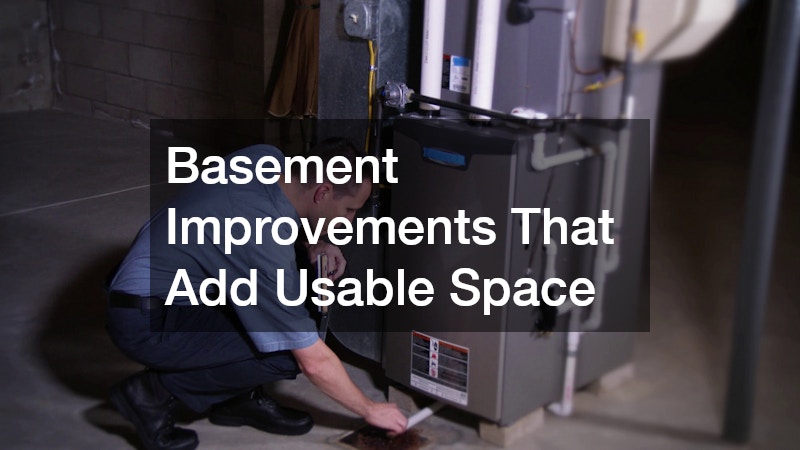
Before finishing a basement, it’s crucial to address moisture issues. Water infiltration can ruin flooring, encourage mold, and damage belongings. Small moisture problems can be managed with sealants, proper grading, and sump pumps. For more serious issues, a professional basement waterproofing service can assess structural concerns and install drainage or waterproofing systems to protect the space. Addressing moisture first ensures that any improvements last for years without costly repairs.
Once moisture is controlled, the basement can become a functional, inviting space. Painting walls and ceilings with light colors brightens the area, while affordable flooring options, such as vinyl planks or area rugs, improve comfort. Designate zones for different activities—home offices, gyms, playrooms, or guest areas—to maximize usability. Adding layered lighting, including overhead fixtures and task lamps, helps overcome the lack of natural light and creates a more welcoming atmosphere.
Budget-Friendly Basement Tips:
- Inspect and seal walls to prevent water damage
- Install a sump pump or dehumidifier as needed
- Paint walls and ceilings to brighten the space
- Add affordable flooring options like vinyl planks or rugs
- Define zones for work, play, or exercise
- Incorporate layered lighting for safety and ambiance
Outdoor and Curb Appeal Enhancements
Well-maintained trees contribute to safety, aesthetics, and property value. Pruning small branches yourself is manageable, but hiring tree contractors for larger jobs ensures that trimming or removal is done safely. Healthy trees also provide shade, reduce erosion, and enhance outdoor living spaces. Regular inspections for diseased or damaged trees prevent costly emergencies and help maintain a beautiful, functional yard.
Cost-effective landscaping updates can dramatically improve curb appeal. Edging garden beds, applying fresh mulch, planting colorful annuals, and cleaning walkways or siding all create a polished look. Organizing outdoor storage for tools, garden pots, and seasonal items makes the yard more functional and tidy. Even small improvements, like adding garden lighting or a simple compost area, enhance both aesthetics and practicality, giving the home a well-maintained, welcoming appearance.
Budget-Friendly Outdoor Tips:
- Prune trees and remove dead branches regularly
- Hire tree service contractors for larger or hazardous work
- Mulch and edge garden beds for a polished look
- Plant colorful annuals for seasonal appeal
- Organize tools, pots, and outdoor storage
- Add outdoor lighting to improve aesthetics and safety
Essential Systems Maintenance
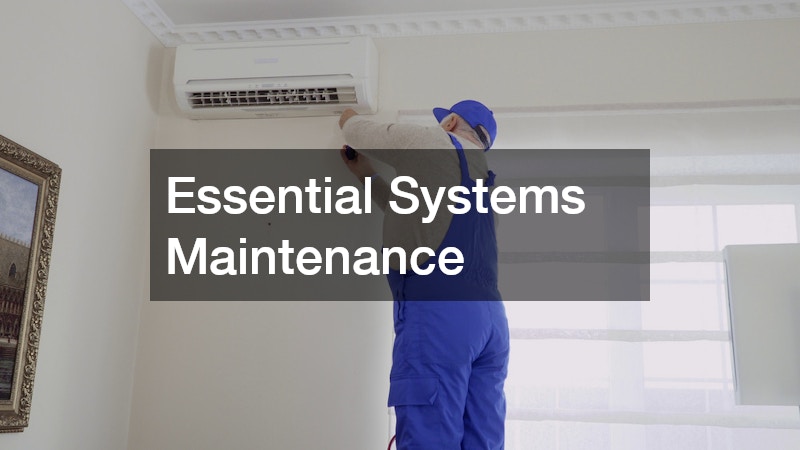
Maintaining hidden and routine systems is critical to preventing costly emergencies and keeping your home running smoothly. Regular upkeep of essential infrastructure, from plumbing and HVAC to septic systems, protects your investment and ensures safety. Many homeowners overlook simple, recurring tasks that make a significant difference in day-to-day functionality. For example, scheduling routine trash and recycling pick up not only keeps your home clean and organized but also prevents overflow, odors, and pest issues, making maintenance simpler and more manageable.
Proactive energy and fuel management also play an important role in home maintenance. Monitoring a local propane tank and scheduling deliveries before running low ensures uninterrupted service and avoids emergency delivery fees. Regular upkeep of HVAC systems, water heaters, and filters improves energy efficiency and indoor air quality while preventing costly breakdowns.
Budget-Friendly Maintenance Tips:
- Schedule septic inspections and pumping regularly
- Avoid flushing anything except toilet paper
- Monitor propane tank levels and schedule timely deliveries
- Seal drafts and add insulation to save energy
- Maintain HVAC systems and water heaters for efficiency
- Track maintenance records for long-term planning
Project Planning and Professional Support
Creating a realistic budget and timeline prevents overspending and reduces stress. List all projects, estimate costs for materials and labor, and prioritize based on necessity and impact. Phasing updates room by room allows you to manage expenses while seeing tangible results. Taking a methodical approach ensures that high-priority repairs and improvements are completed first, while less urgent updates can be tackled gradually.
Even skilled DIY homeowners benefit from maintaining a network of reliable professionals. Electricians, plumbers, HVAC technicians, general contractors, and outdoor services contractors provide expertise for complex or specialized tasks. Verify licenses and insurance, request references, and maintain records of completed work. Pairing these small, consistent habits with professional services, such as septic tank maintenance or plumbing checks, helps avoid larger, more expensive problems down the line.
Budget-Friendly Planning Tips:
- Prioritize projects by urgency and impact
- Phase improvements to control costs and workload
- Build a dedicated savings fund for home updates
- Maintain relationships with reliable service professionals
- Keep detailed records of all completed work
- Use professional help for complex or specialized tasks
Budget-friendly home updates are entirely achievable when approached with creativity, careful planning, and a room-by-room strategy. Focusing on deliberate, thoughtful changes—rather than attempting a full-scale renovation—allows homeowners to improve comfort, functionality, and style without overspending. Even small updates, like painting walls, updating hardware, or rearranging furniture, can create noticeable visual and practical improvements. Combining DIY efforts with professional support where needed ensures that complex or safety-sensitive projects, such as plumbing, HVAC work, or structural improvements, are handled efficiently and correctly, saving both time and money in the long run.
Equally important is maintaining both visible and hidden systems, from floors, cabinets, and fixtures to septic tanks, plumbing, and HVAC units. Regular upkeep prevents costly emergencies, prolongs the life of your home’s features, and preserves property value. Approaching updates incrementally, celebrating small wins, and consistently planning your next projects transforms the renovation process into a manageable, rewarding journey. Over time, these intentional improvements accumulate into a home that is not only beautiful and functional but also tailored to your lifestyle—all while staying within budget and building skills and confidence along the way.